Good things that actually happened
Updated 17 Oct 2026 AI-generated editorial image
Researchers introduce a new approach to pain relief using light-sensitive compounds
Scientists have developed a light-activated opioid that targets pain locally, potentially reducing harmful side effects observed in traditional painkillers.
 AI-generated editorial image
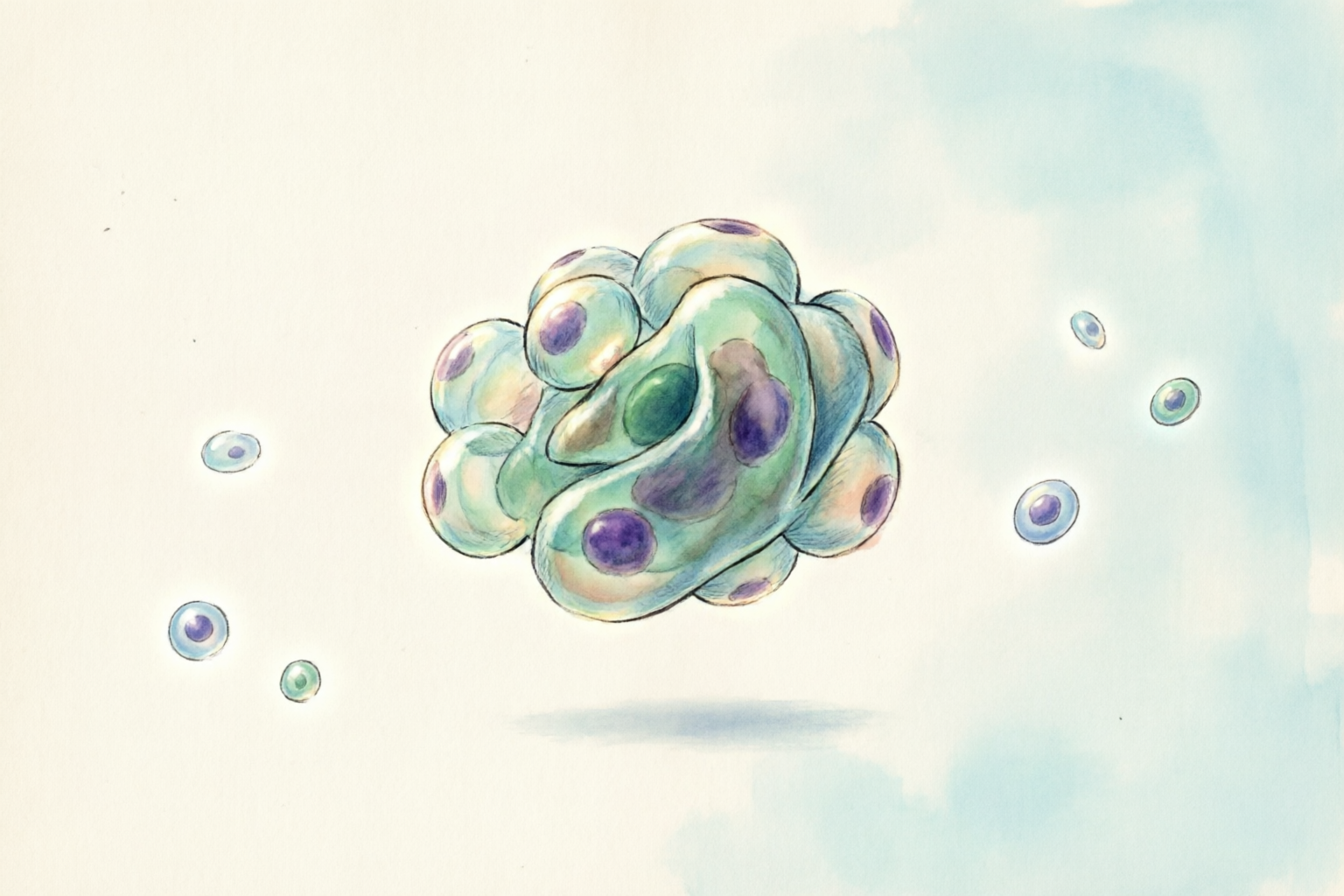
Lab-grown brain tissues interpret tactile patterns in early computing breakthrough
Researchers at the University of Bristol have shown that miniature brain organoids can decode Braille-like tactile signals, offering a potential path toward energy-efficient biohybrid systems.
 AI-generated editorial image
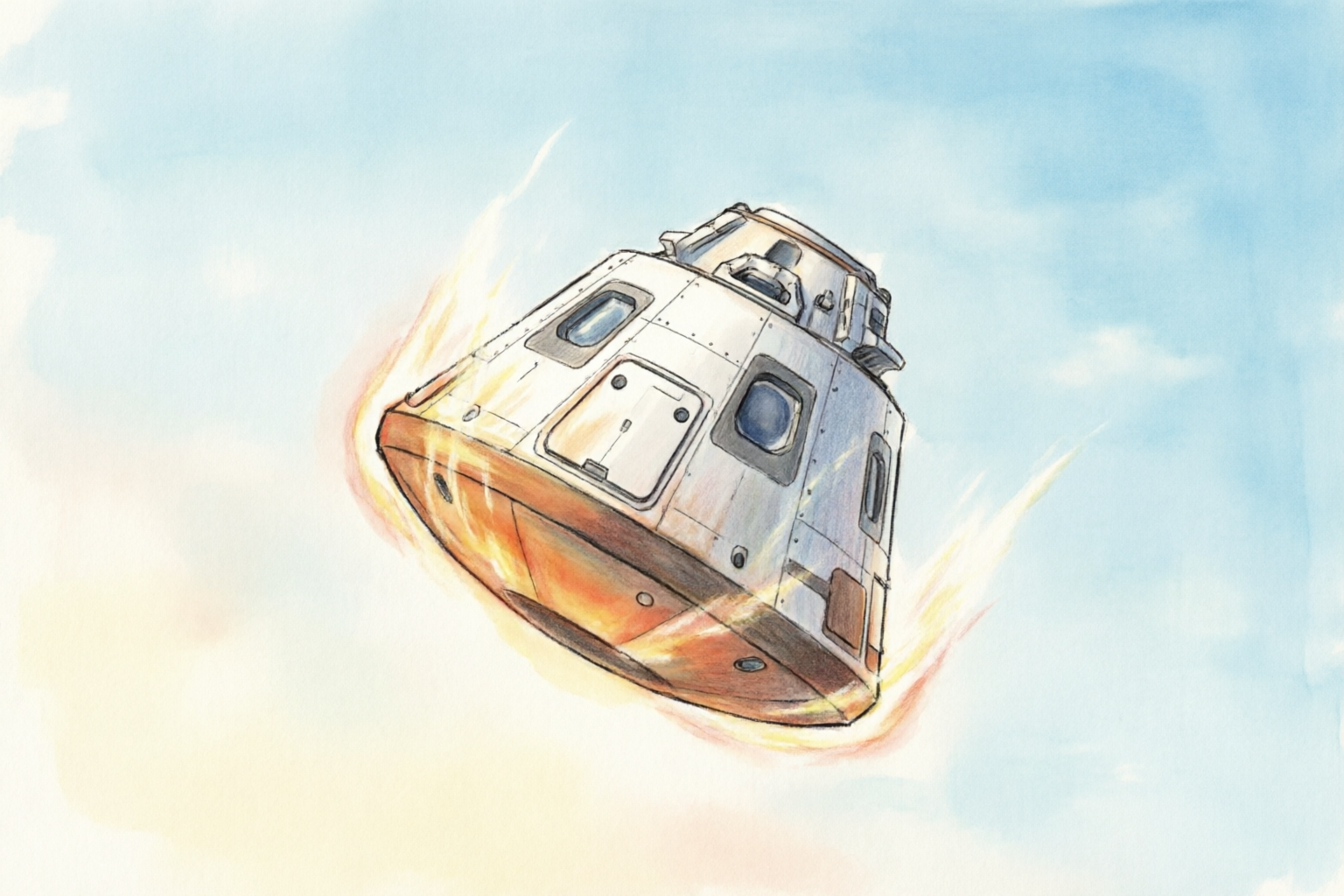
Artemis II heat shield test confirms spacecraft safety for lunar missions
NASA’s analysis of the Orion spacecraft’s heat shield performance during Artemis II reentry shows significant improvements in thermal protection, validating crew safety for future deep-space missions.
 AI-generated editorial image
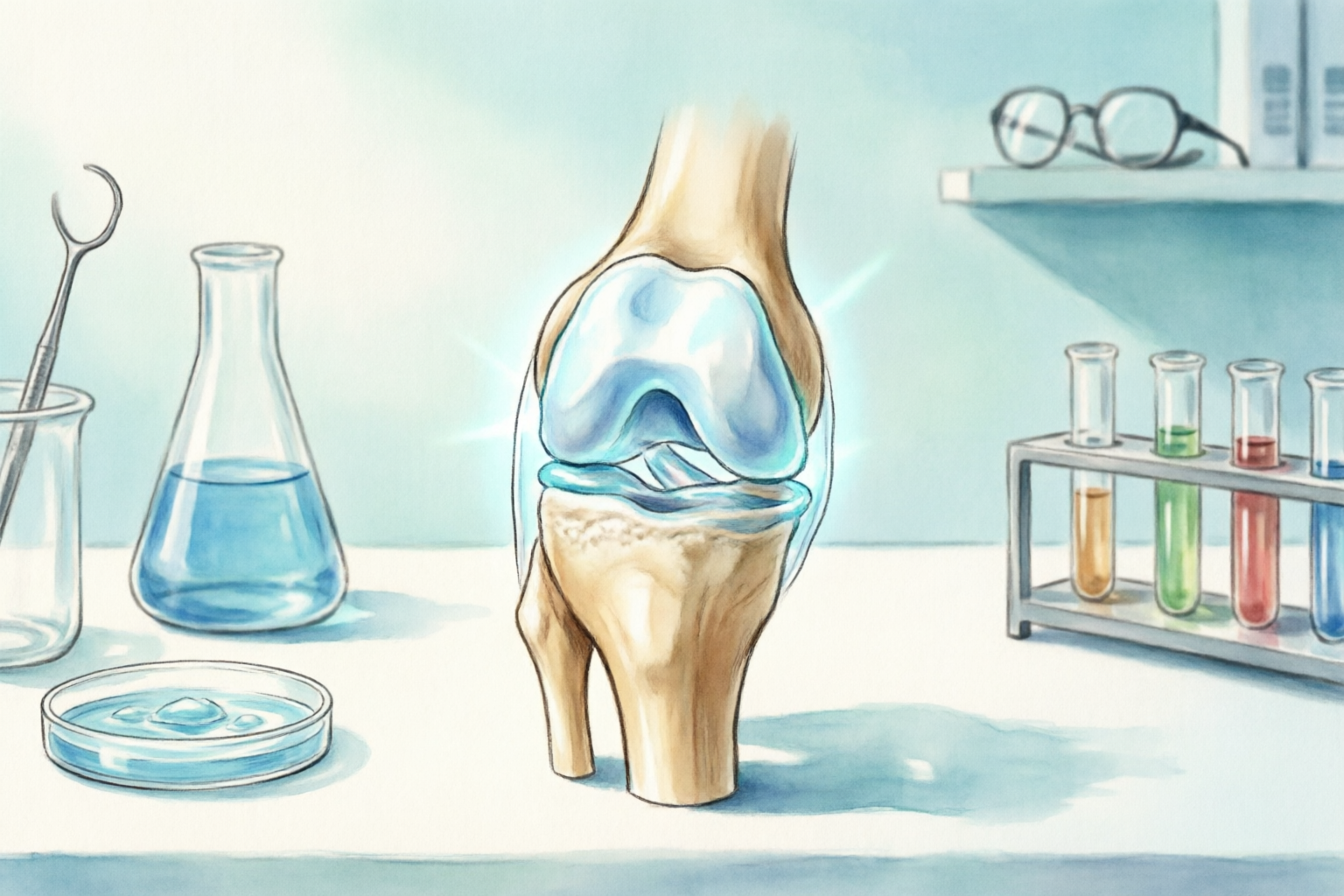
Engineers craft artificial lubricant to ease joint discomfort in aging populations
Researchers at Cornell University have created a synthetic polymer designed to mimic the natural lubricating properties of lubricin, significantly reducing joint friction in laboratory settings and advancing into initial human testing for osteoarthritis and dry eye conditions.
 AI-generated editorial image
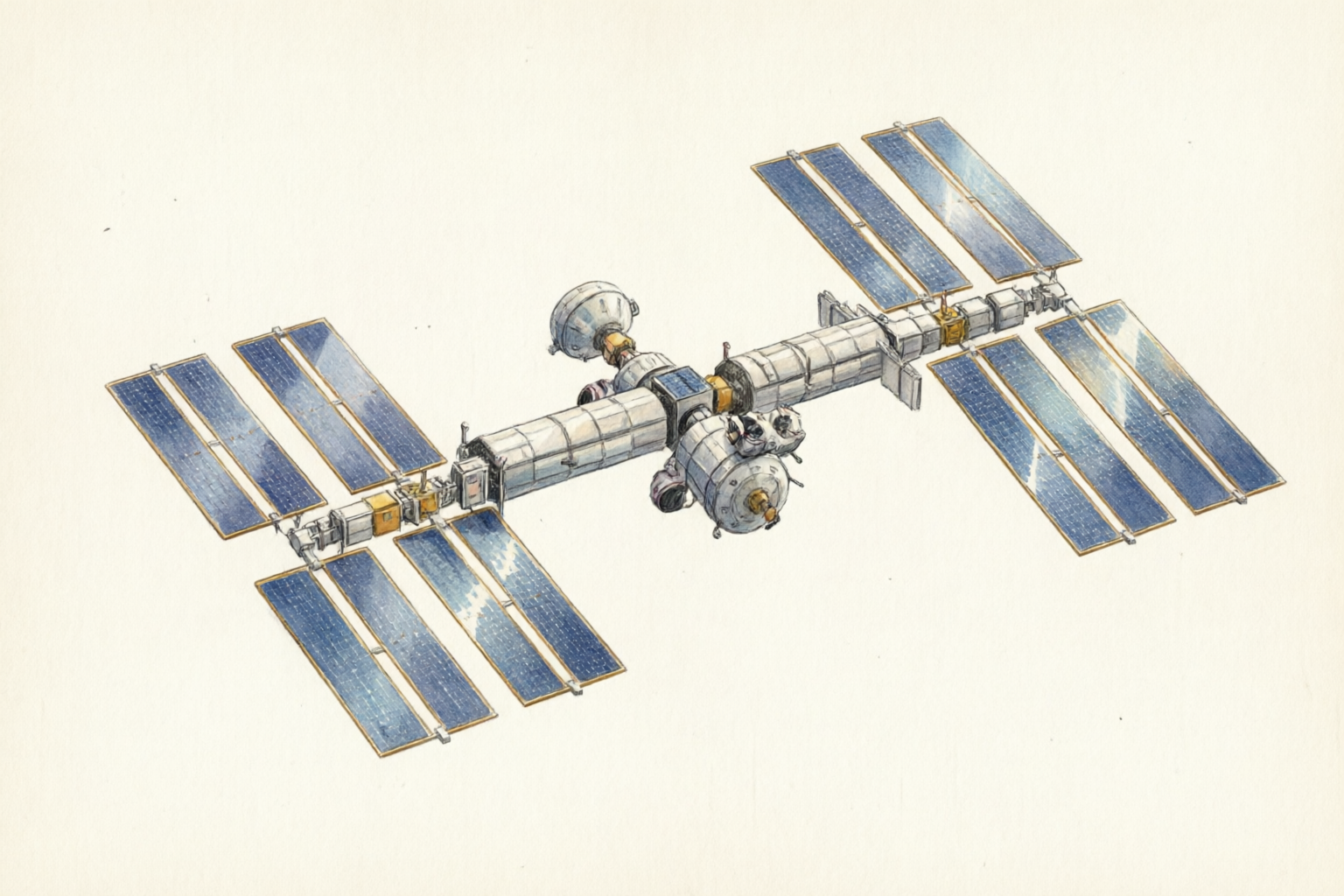
New solar arrays expand energy capacity for space research
The International Space Station has received upgraded solar panels to enhance its power supply, supporting advanced research and future exploration efforts.
 AI-generated editorial image
Researchers identify forecasting models that predict earthquake patterns with greater accuracy
A new study reveals certain earthquake forecasting models can reliably anticipate seismic activity patterns for the following day, offering a potential tool for risk assessment in vulnerable regions.
 AI-generated editorial image
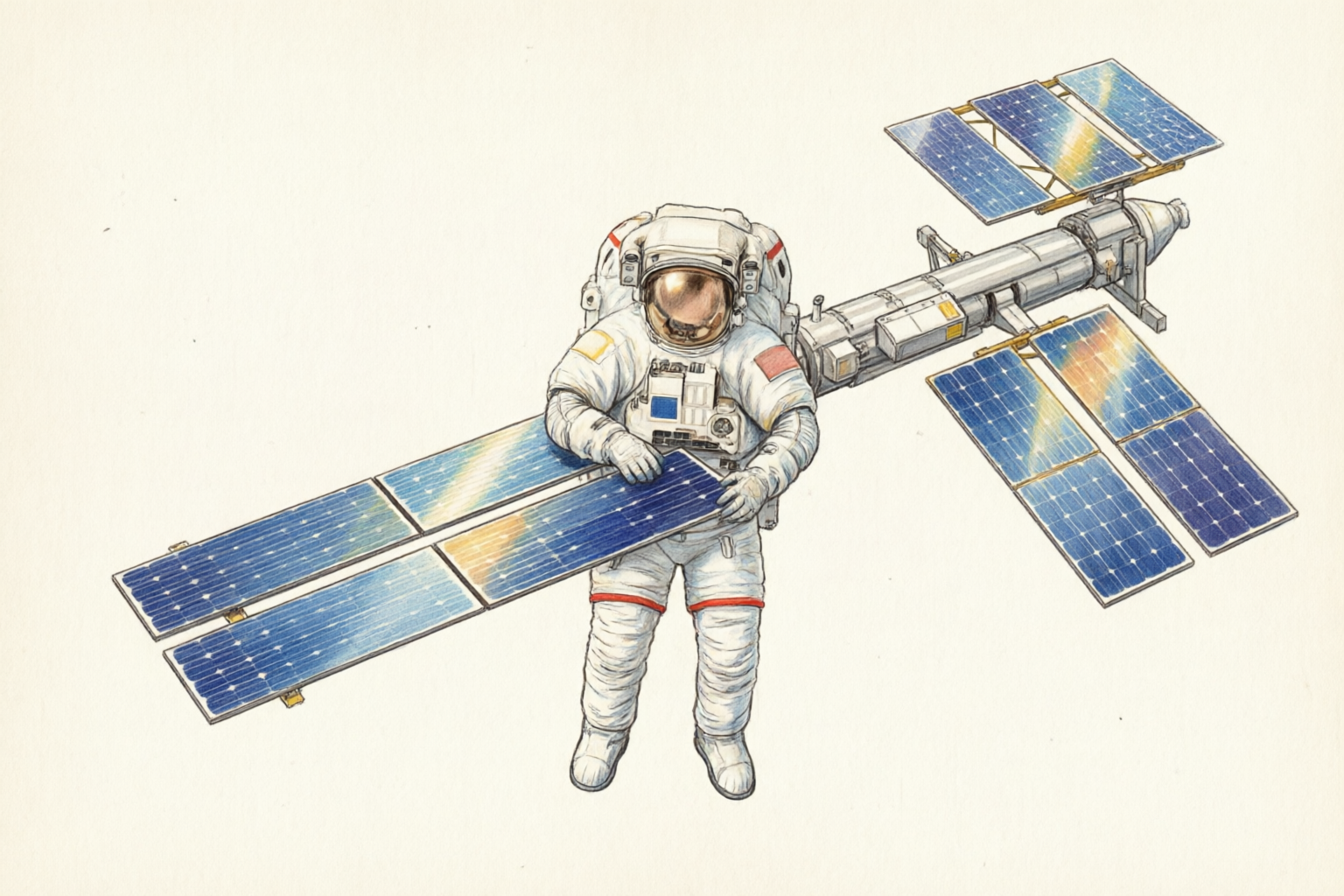
New solar arrays to enhance power supply for orbital research station
NASA astronauts will install upgraded solar panels during upcoming spacewalks to bolster the International Space Station’s energy capabilities for ongoing experiments and future operations.
 AI-generated editorial image
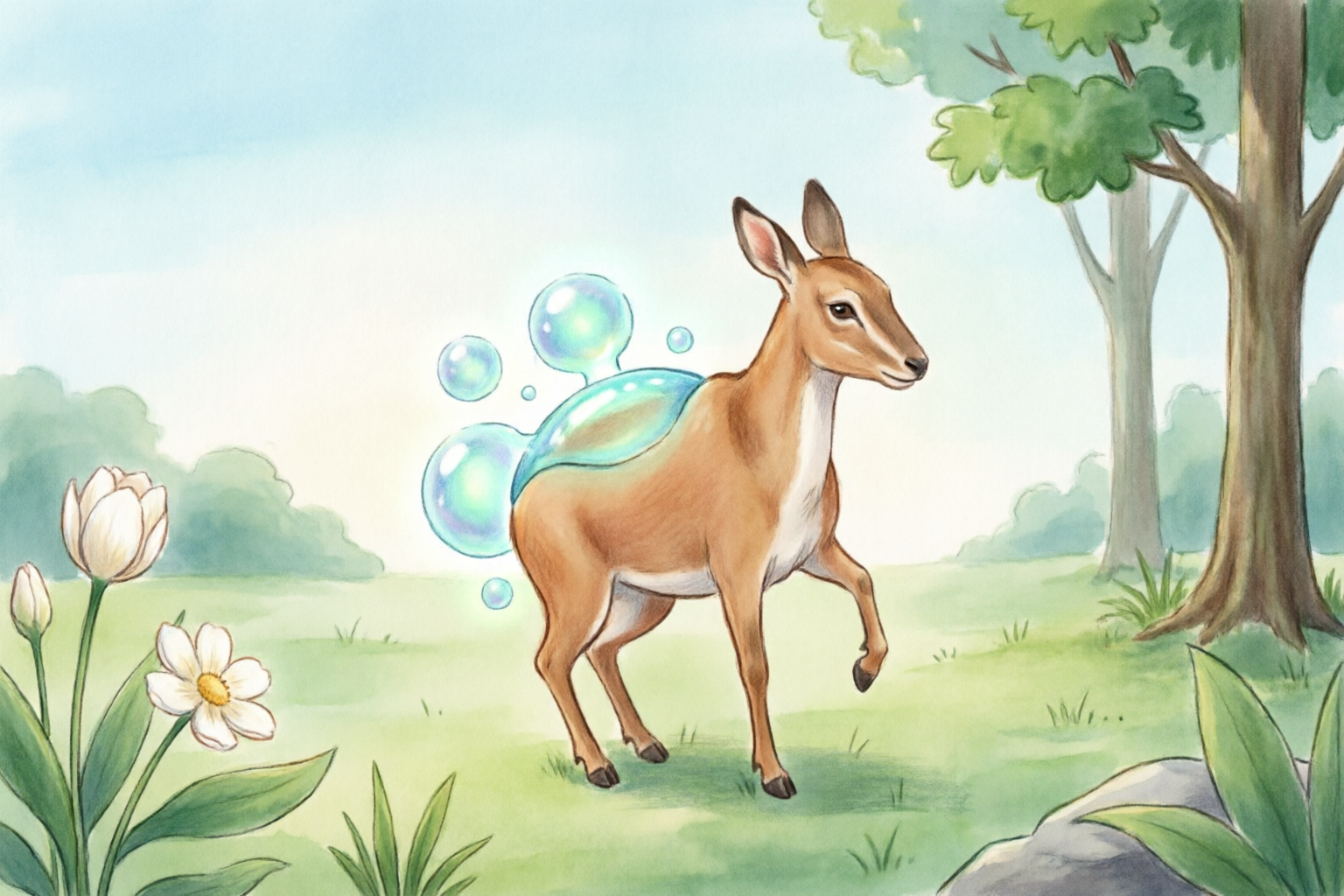
Researchers develop plants that signal drought stress to improve crop efficiency
A Cornell-led initiative has created bioengineered plants capable of communicating water needs and adjusting growth patterns, offering farmers new tools to conserve resources and enhance resilience.
 AI-generated editorial image
Researchers unveil adaptable microbubble system for precise fluid manipulation
A new platform from Cornell enables on-demand generation and control of microbubbles using electrodes and ultrasound, offering potential for advanced drug delivery and microfluidic devices.
 AI-generated editorial image
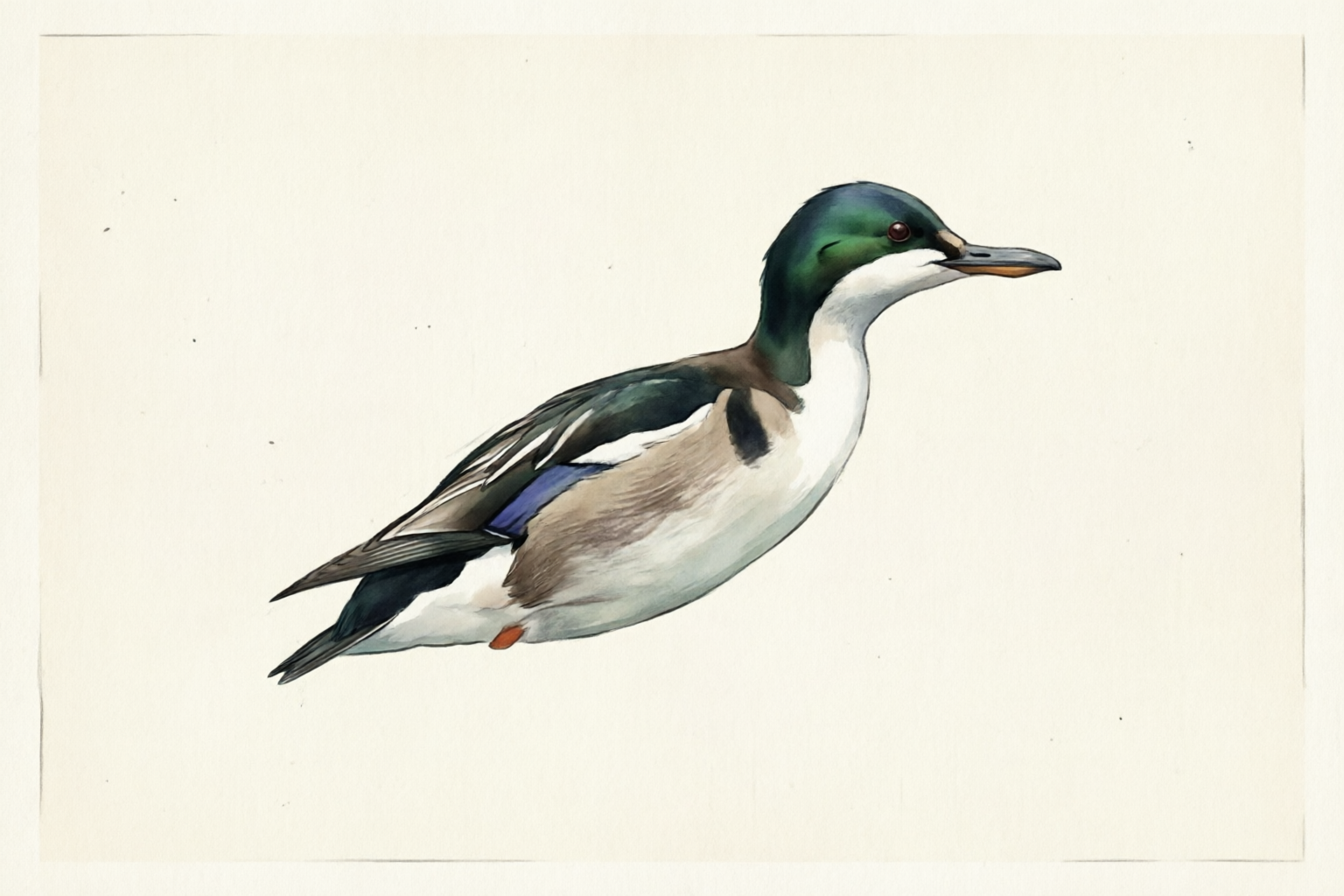
Seabirds’ necks adapt to withstand extreme diving forces
Researchers identify specialized vertebrae in diving birds that provide structural support during high-speed impacts, offering insights into their survival strategies.
 AI-generated editorial image
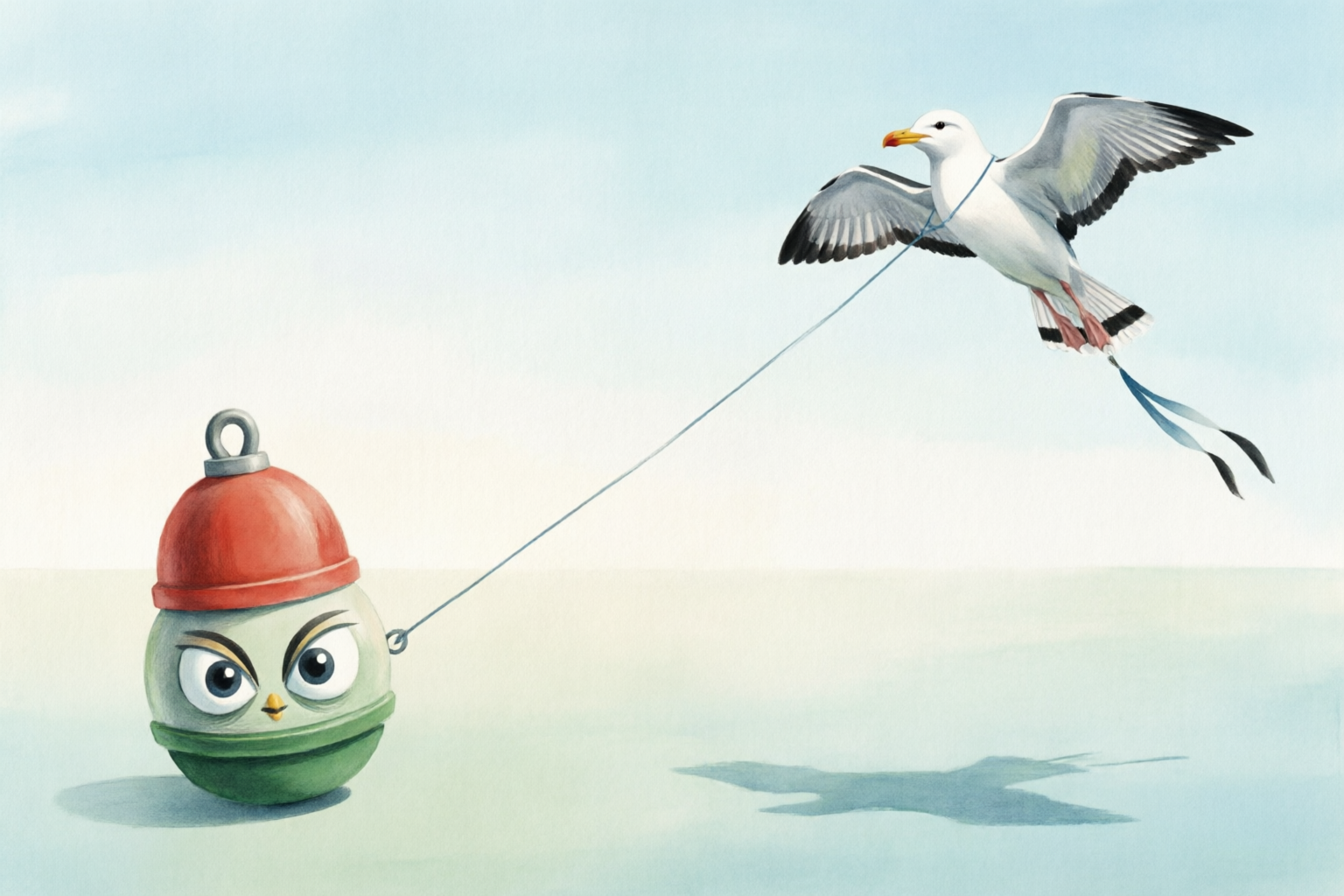
Simple devices cut seabird deaths in fishing nets by large margins
Cornish fishers and conservationists tested two low-cost tools—a buoy with looming eyes and a bird-shaped kite—to deter seabirds from gillnets, achieving significant reductions in bycatch.
 AI-generated editorial image
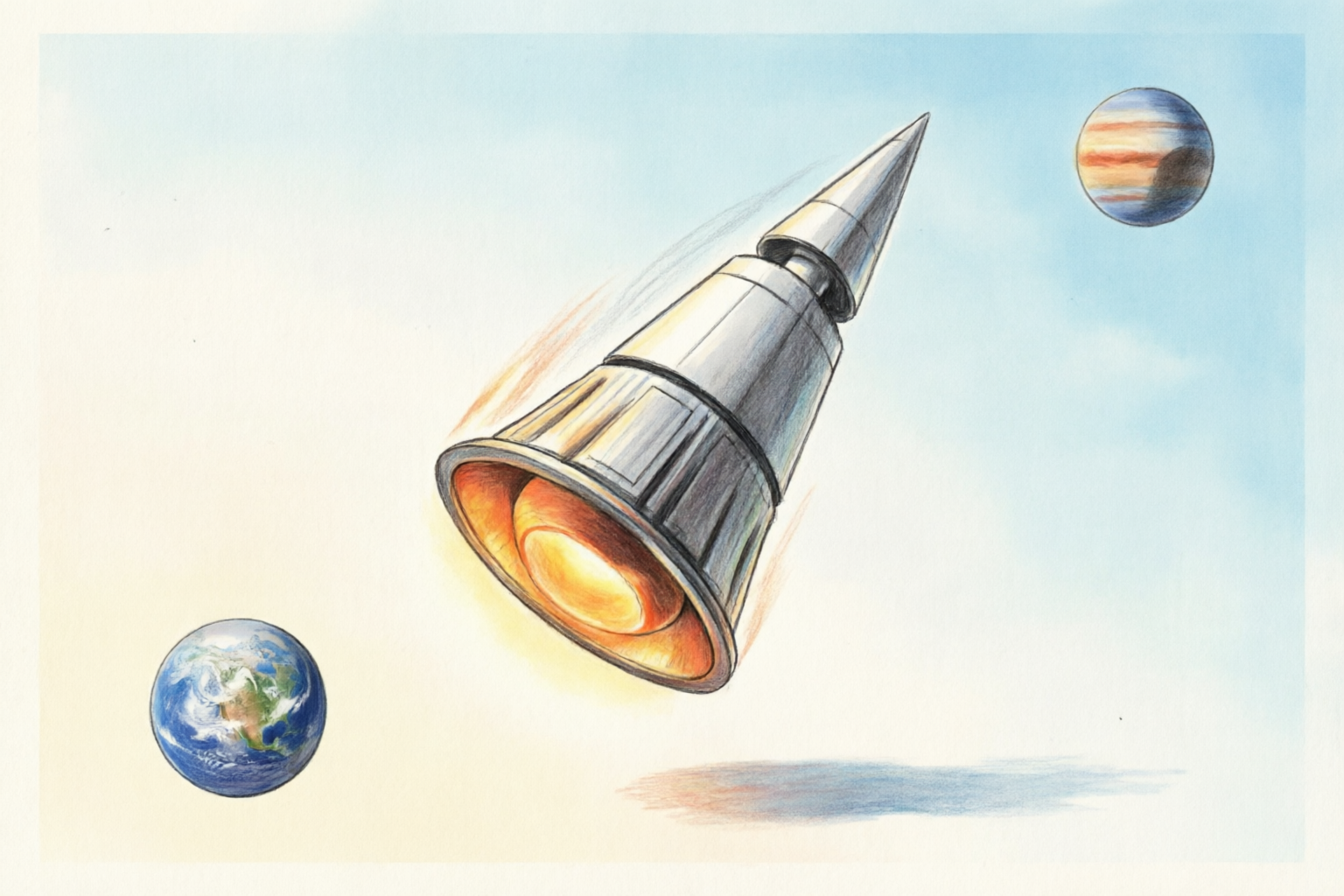
New heat shield designs tested for safer space missions
NASA successfully deployed experimental heat shield prototypes during a recent atmospheric re-entry, gathering critical data to improve thermal protection for future crewed spaceflights.
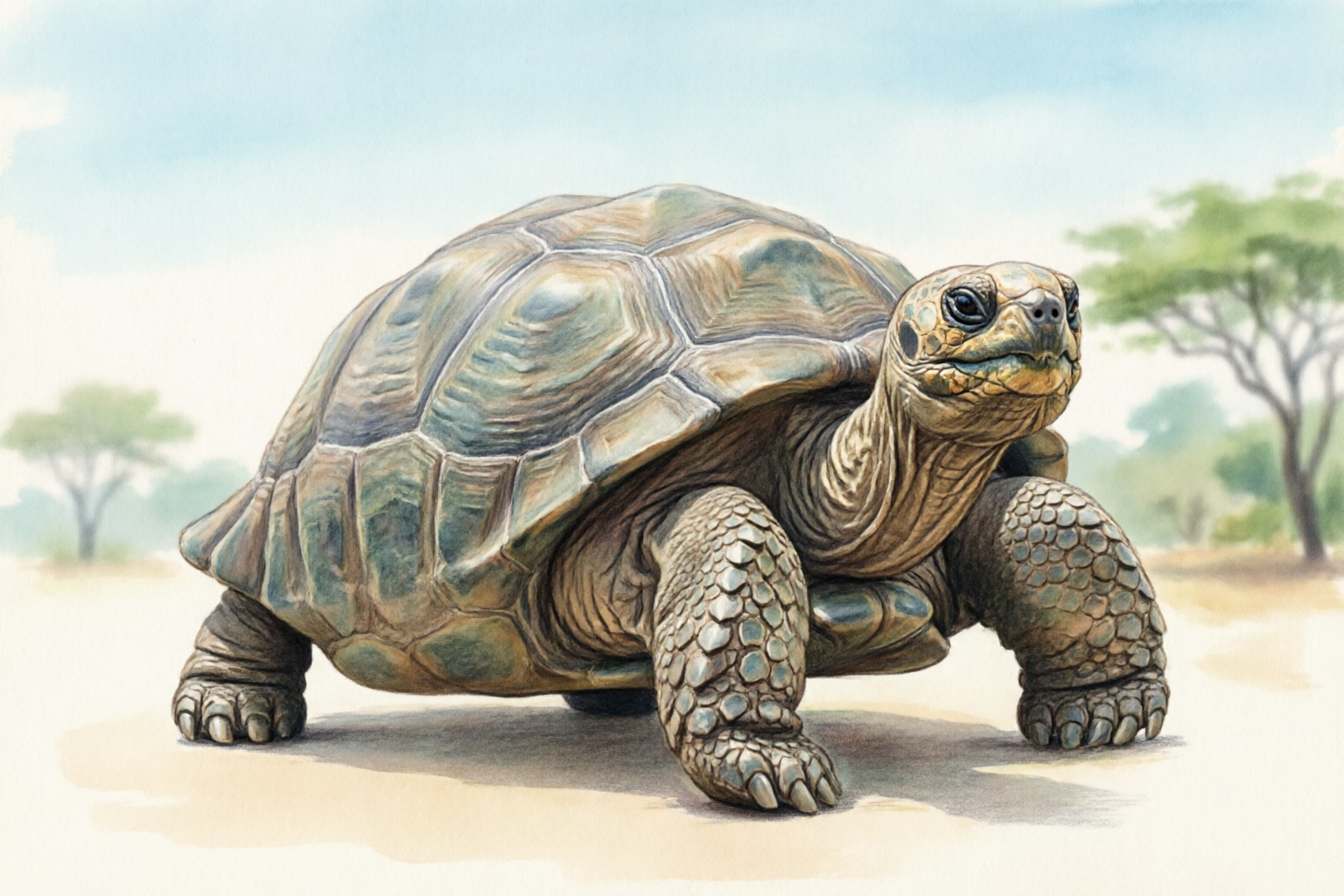 AI-generated editorial image
Giant tortoise numbers reach unprecedented levels in Seychelles
A new study reveals the Aldabra giant tortoise population has grown to its highest recorded size, offering hope for the species' future.