Seabirds’ necks adapt to withstand extreme diving forces
Researchers identify specialized vertebrae in diving birds that provide structural support during high-speed impacts, offering insights into their survival strategies.
Written automatically from the sources below and not individually reviewed by a human editor.
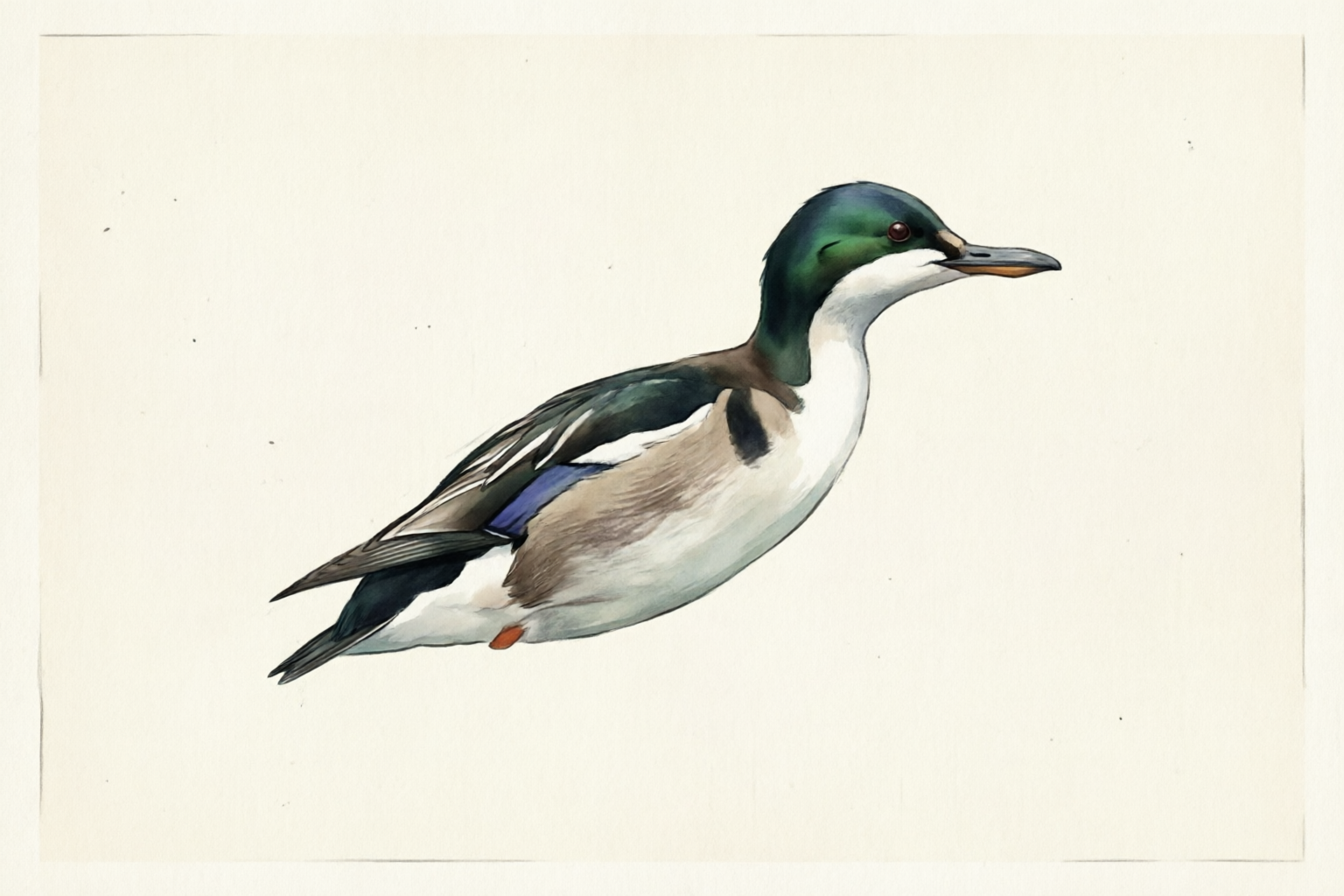
A new study from the University of Washington reveals how certain seabirds have evolved to endure the physical demands of plunge-diving. Investigators found that birds like gannets and boobies possess uniquely reinforced vertebrae in their necks, featuring a thicker, blocklike structure compared to non-diving species. This adaptation includes an additional stabilizing surface between the second and sixth cervical vertebrae, which helps absorb shock during rapid descents into water. While smaller birds such as kingfishers also exhibit similar vertebral adaptations, they lack this extra contact point, suggesting variations in how different species manage impact forces. The findings highlight the remarkable ways these birds have evolved to protect their necks during high-speed collisions, providing a deeper understanding of their survival mechanisms in challenging environments. The research was supported by grants from the National Science Foundation and other institutions, underscoring its significance in biological adaptation studies. These discoveries could inform broader discussions on how structural modifications enable animals to thrive in extreme conditions.
Sources
1 sourceThe article is grounded in the independently assessed evidence listed here.
Generated from retrieved source material, checked for evidence and provenance, and released through runtime safety controls.
Read our editorial standard →Spot a problem?
Reports go to the operator review queue and do not alter the article automatically.