Lab-grown brain tissues interpret tactile patterns in early computing breakthrough
Researchers at the University of Bristol have shown that miniature brain organoids can decode Braille-like tactile signals, offering a potential path toward energy-efficient biohybrid systems.
Written automatically from the sources below and not individually reviewed by a human editor.
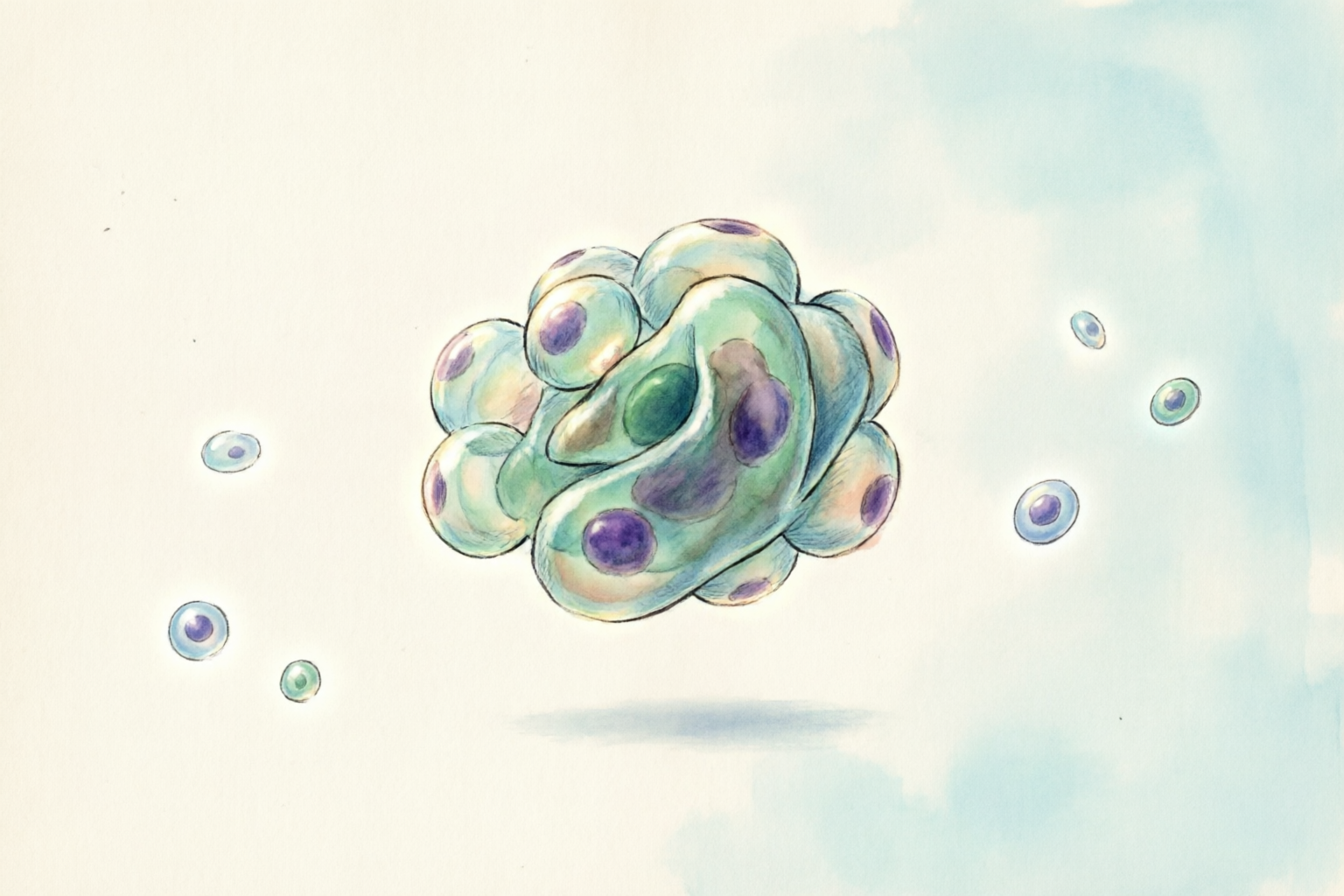
Scientists at the University of Bristol have demonstrated that lab-cultured brain organoids—tiny clusters of neurons—can process tactile input resembling Braille patterns. By applying electrical stimulation to mimic physical touch, the organoids generated neural responses that a computational model translated into recognizable signals. Unlike conventional processors, these biological systems operate with minimal energy demands, suggesting a new approach to low-power computing. The study highlights that combining multiple organoids improves accuracy and resilience against interference, though the organoids did not exhibit learning or sustained adaptation. This work represents an early but significant step toward integrating biological and artificial components in computing systems, potentially unlocking applications in adaptive technologies. The findings emphasize the need for further exploration into how such biohybrid systems might function in real-world scenarios beyond controlled experiments. For now, the research confirms that neural tissue can serve as a foundation for processing sensory information, bridging biology and machine intelligence.
Sources
1 sourceThe article is grounded in the independently assessed evidence listed here.
Generated from retrieved source material, checked for evidence and provenance, and released through runtime safety controls.
Read our editorial standard →Spot a problem?
Reports go to the operator review queue and do not alter the article automatically.