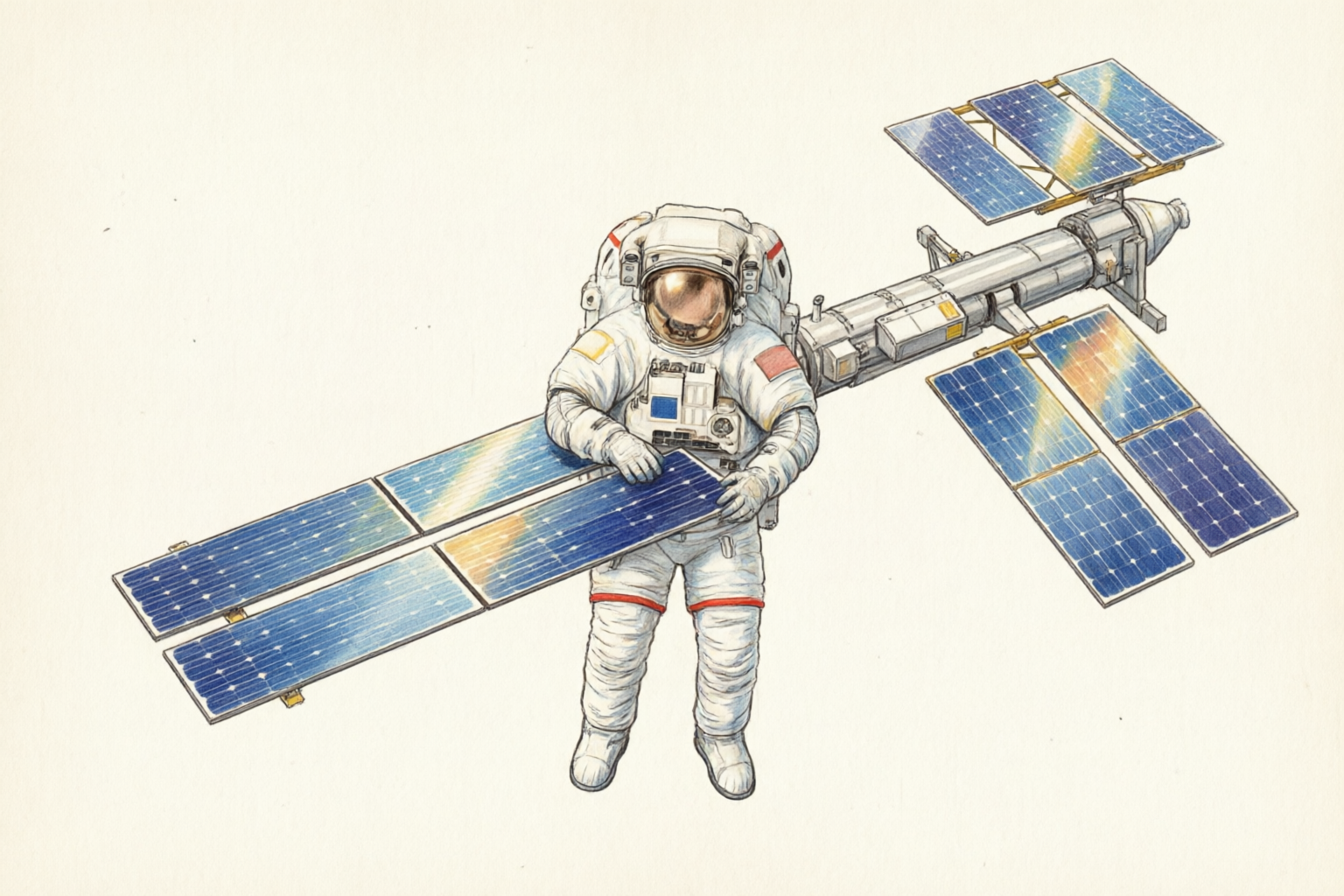
New solar arrays expand energy capacity for space research
The International Space Station has received upgraded solar panels to enhance its power supply, supporting advanced research and future exploration efforts.
Written automatically from the sources below and not individually reviewed by a human editor.
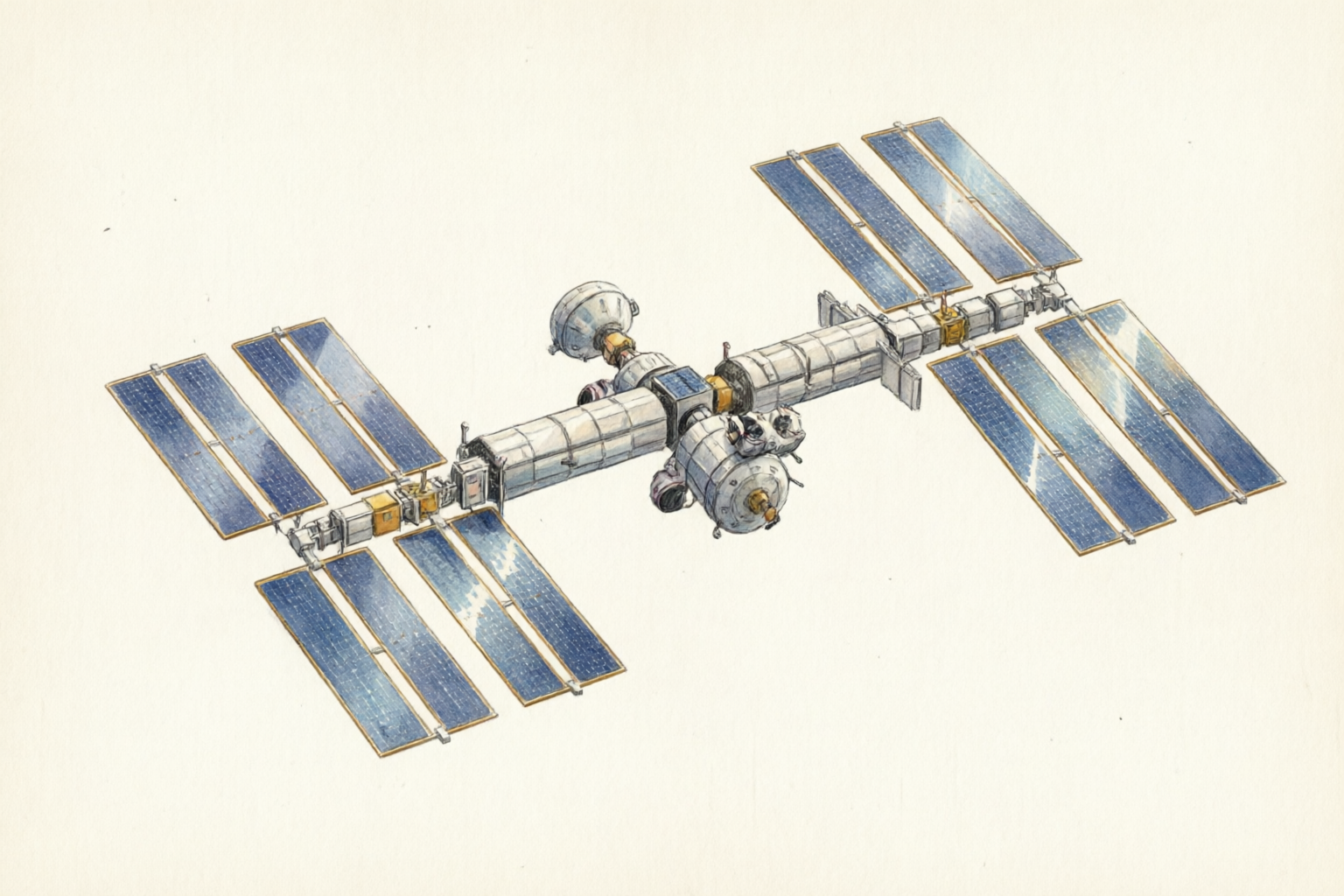
The International Space Station now operates with an improved energy system following the installation of next-generation solar arrays. These lightweight and efficient panels, designed to unfold automatically, have been added to the station’s existing infrastructure. The upgrade ensures a more reliable power supply for essential life support systems, daily operations, and scientific experiments conducted in orbit. This development also strengthens the station’s role as a testing ground for technologies intended for deeper space missions. By increasing the available energy, researchers can now conduct more experiments and maintain advanced equipment without power constraints. The new arrays represent a significant advancement in sustainable energy solutions for long-duration space missions, reinforcing the station’s capacity to support both current and future exploration initiatives. The collaboration between space agencies and private companies highlights ongoing efforts to modernize orbital infrastructure for scientific progress and human spaceflight advancements. The enhanced power system will enable more complex research, benefiting both low-Earth-orbit studies and preparations for missions beyond.
Sources
1 sourceThe article is grounded in the independently assessed evidence listed here.
Generated from retrieved source material, checked for evidence and provenance, and released through runtime safety controls.
Read our editorial standard →Spot a problem?
Reports go to the operator review queue and do not alter the article automatically.