Engineers craft artificial lubricant to ease joint discomfort in aging populations
Researchers at Cornell University have created a synthetic polymer designed to mimic the natural lubricating properties of lubricin, significantly reducing joint friction in laboratory settings and advancing into initial human testing for osteoarthritis and dry eye conditions.
Written automatically from the sources below and not individually reviewed by a human editor.
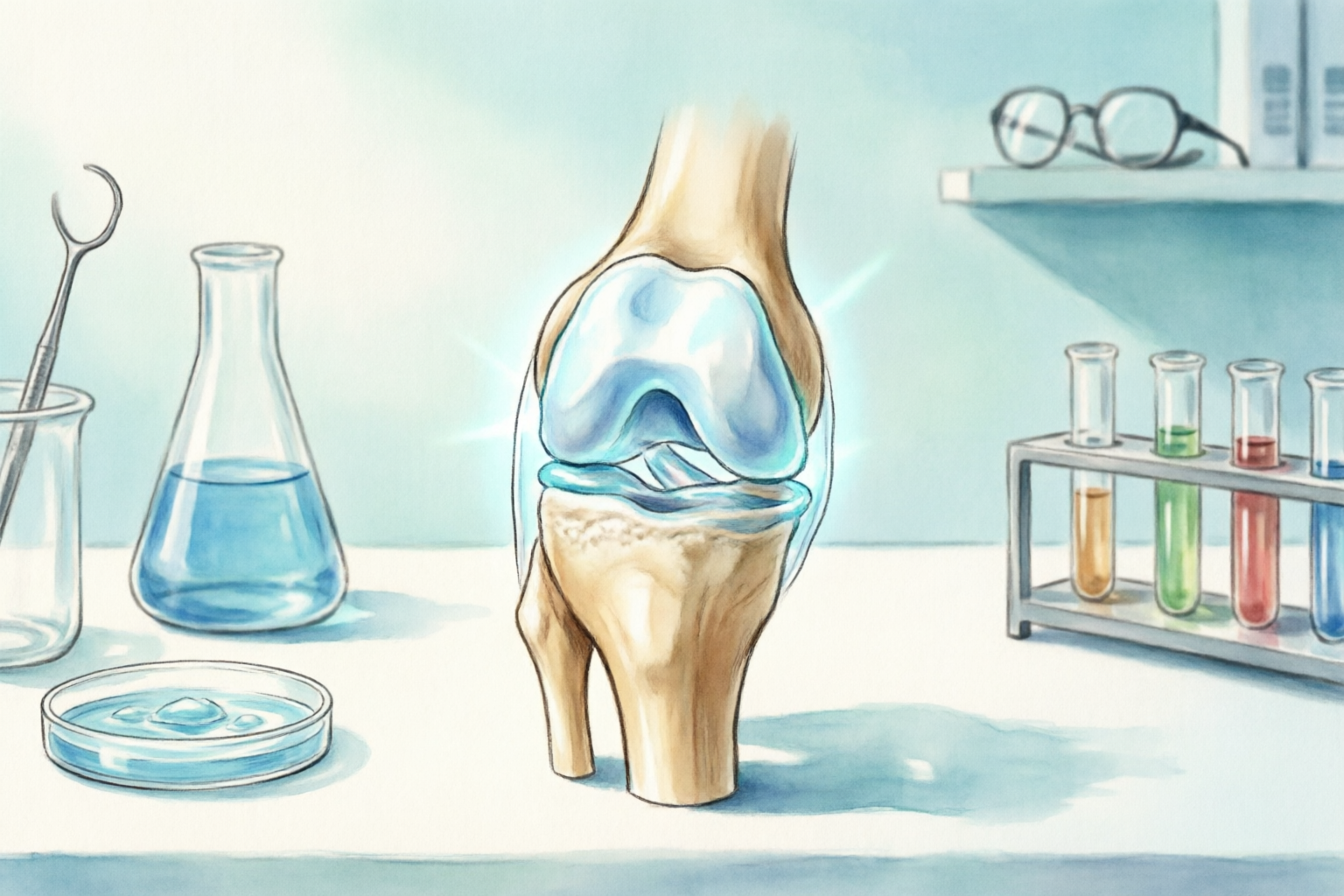
Scientists at Cornell University have engineered a synthetic polymer that replicates the lubricating effects of a protein found in joints, offering a potential breakthrough for those suffering from osteoarthritis and dry eye disease. The polymer, developed by engineers Lawrence Bonassar and David Putnam alongside doctoral students and collaborators at Pleryon Therapeutics, has shown promising results in reducing friction between cartilage surfaces. Early tests demonstrated its ability to mimic the natural lubricating properties of lubricin, a protein essential for smooth joint movement, which tends to diminish with age or injury. This innovation could provide relief for millions affected by joint discomfort and eye irritation, conditions that often worsen as natural lubrication declines. The research has been supported by Cornell’s technology and biotechnology centers, as well as funding from the National Science Foundation and the National Institutes of Health, underscoring its potential impact. With the polymer now entering its first human trials, the findings mark a significant step toward addressing chronic joint and eye issues through advanced biomaterials.
Sources
1 sourceThe article is grounded in the independently assessed evidence listed here.
Generated from retrieved source material, checked for evidence and provenance, and released through runtime safety controls.
Read our editorial standard →Spot a problem?
Reports go to the operator review queue and do not alter the article automatically.