Research links physical activity to reduced bladder discomfort linked to stress
A study reveals how prolonged stress weakens bladder protection, worsening symptoms in interstitial cystitis/bladder pain syndrome, while regular movement appears to lessen these effects in test subjects.
Written automatically from the sources below and not individually reviewed by a human editor.
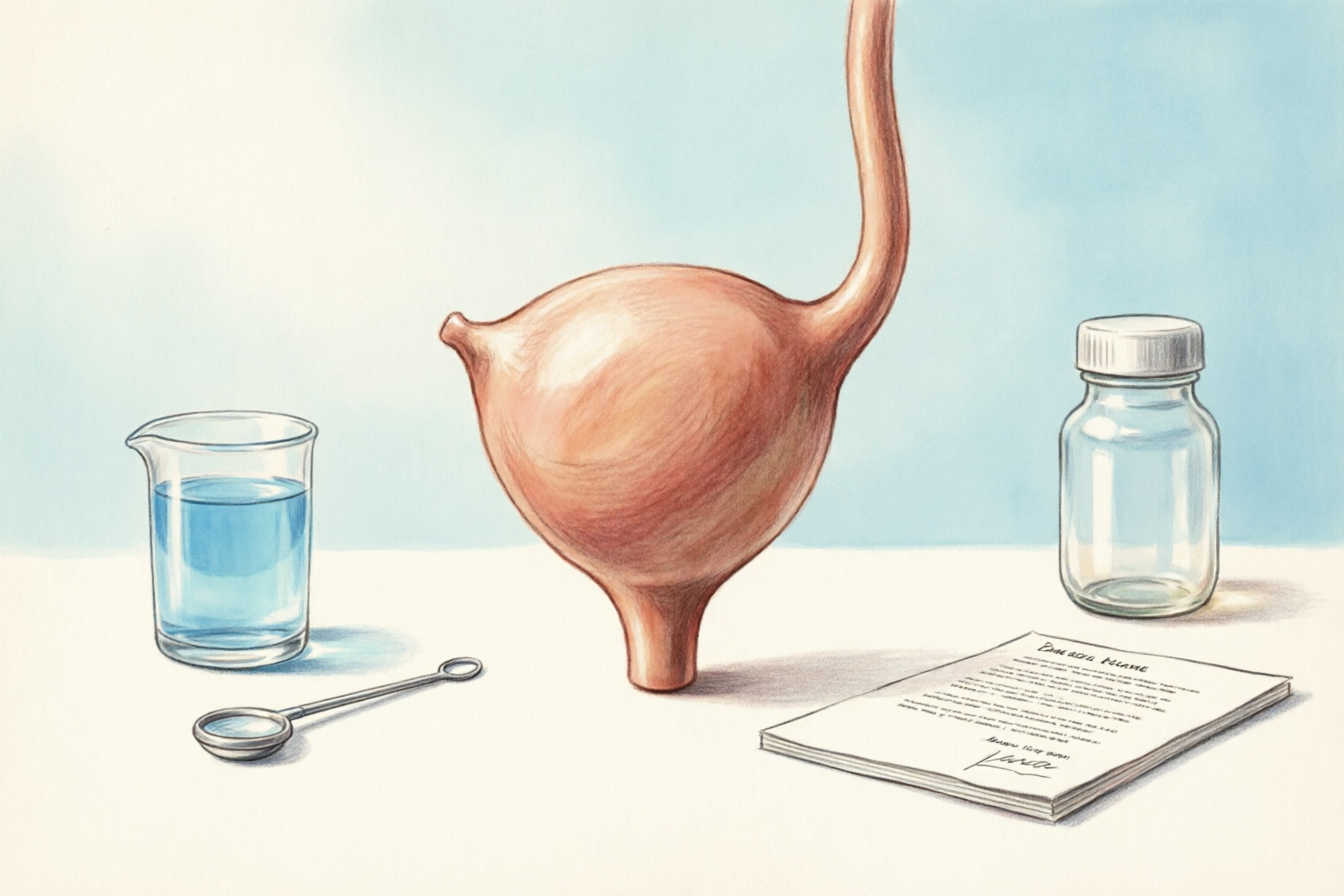
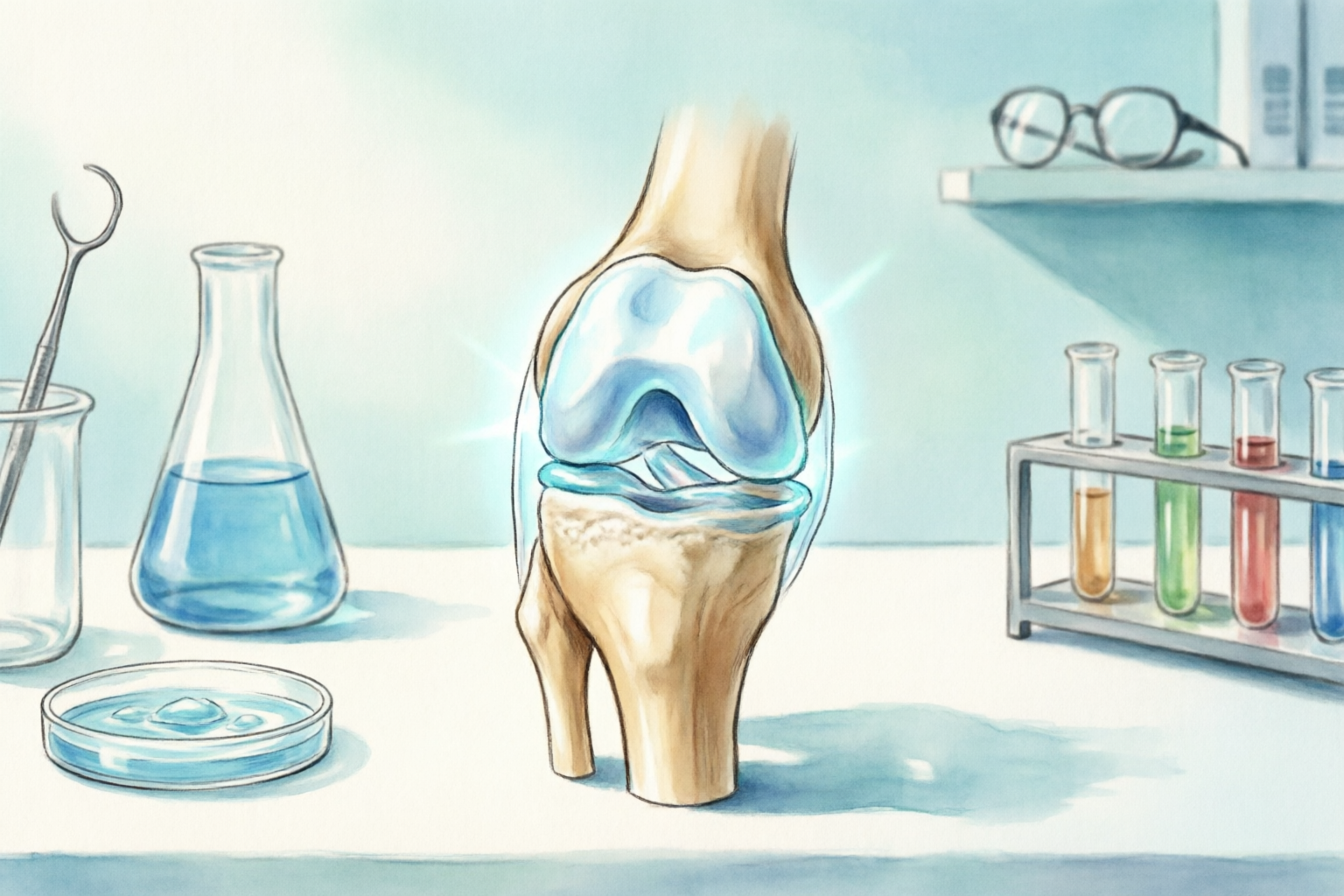
Researchers at Weill Cornell Medicine have identified a connection between chronic stress and heightened bladder sensitivity, particularly in individuals with interstitial cystitis or bladder pain syndrome. Under prolonged stress, the bladder’s natural defenses weaken, increasing vulnerability to inflammation and discomfort. Animal studies showed that stress heightened bladder reactivity and frequency, mirroring common symptoms of the condition. However, voluntary physical activity demonstrated a protective effect, reducing inflammation and improving bladder lining resilience, though not restoring it entirely to baseline levels. These findings suggest that moderate exercise could play a role in managing stress-related bladder issues, though further human trials are needed to confirm these results. The study was supported by private health research funds dedicated to advancing treatments for chronic pain conditions. While the results are promising, they highlight the need for additional investigation to determine how exercise might be integrated into clinical care for affected individuals.
Sources
1 sourceThe article is grounded in the independently assessed evidence listed here.
Generated from retrieved source material, checked for evidence and provenance, and released through runtime safety controls.
Read our editorial standard →Spot a problem?
Reports go to the operator review queue and do not alter the article automatically.