Researchers develop plants that signal drought stress to improve crop efficiency
A Cornell-led initiative has created bioengineered plants capable of communicating water needs and adjusting growth patterns, offering farmers new tools to conserve resources and enhance resilience.
Written automatically from the sources below and not individually reviewed by a human editor.
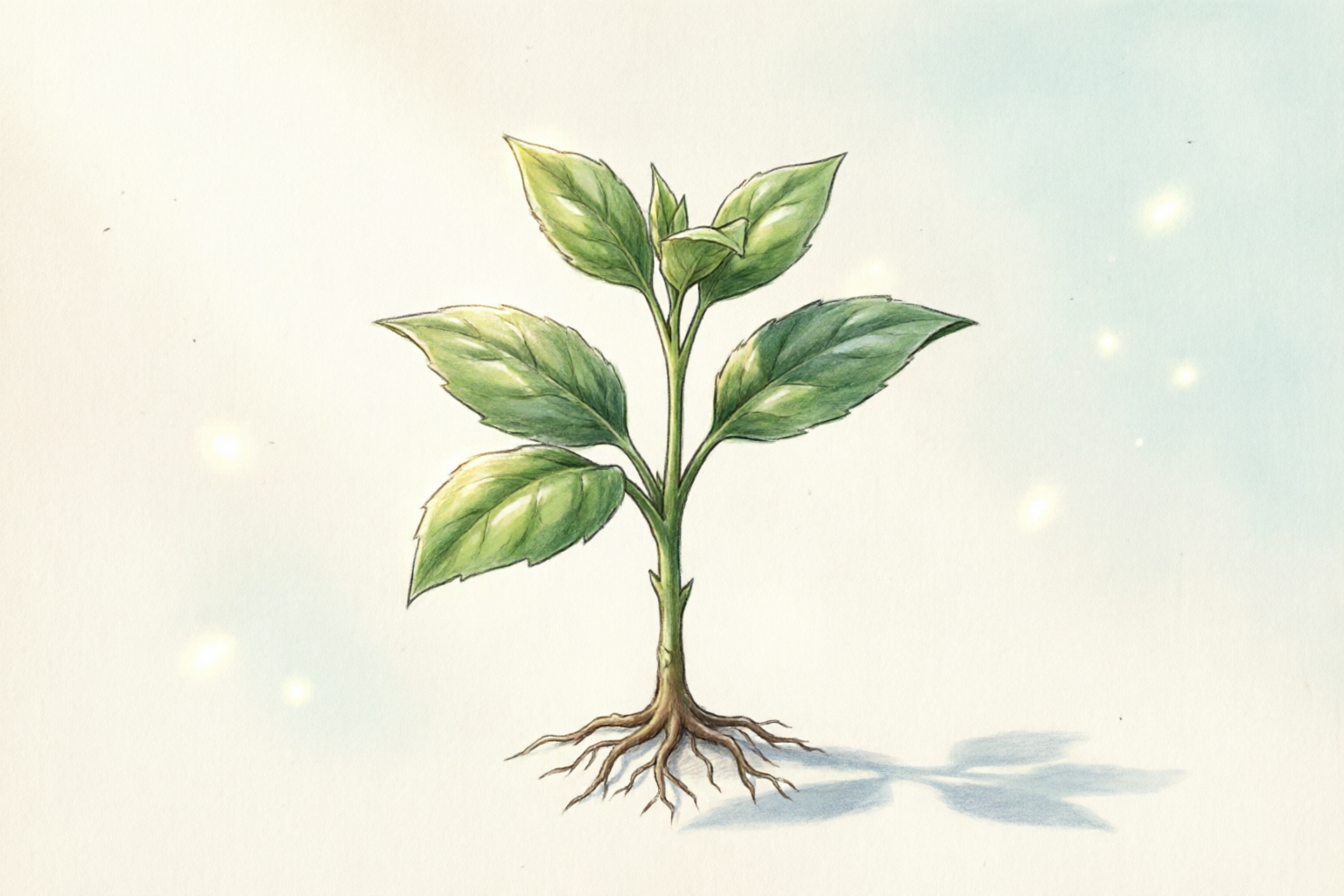
Scientists at the Cornell-led Center for Research on Programmable Plant Systems (CROPPS) have made progress in enabling plants to convey stress signals to humans. Through genetic and digital innovations, researchers have demonstrated that plants can alert farmers to water shortages by modifying leaf behavior. These adjustments help crops conserve moisture during dry conditions, reducing the need for irrigation. Additionally, the team has explored ways to guide root development in response to environmental cues, allowing plants to seek out deeper water sources when drought is anticipated. Field experiments with tomatoes have shown promise in detecting nutrient deficiencies, such as nitrogen levels, and translating these signals into actionable insights for growers. Beyond practical applications, CROPPS has also introduced educational programs to teach students how to interpret plant stress signals, bridging the gap between biological research and real-world farming practices. By integrating plant biology, engineering, and computing, this initiative aims to create more sustainable agricultural systems that adapt to changing environmental challenges.
Sources
1 sourceThe article is grounded in the independently assessed evidence listed here.
Generated from retrieved source material, checked for evidence and provenance, and released through runtime safety controls.
Read our editorial standard →Spot a problem?
Reports go to the operator review queue and do not alter the article automatically.