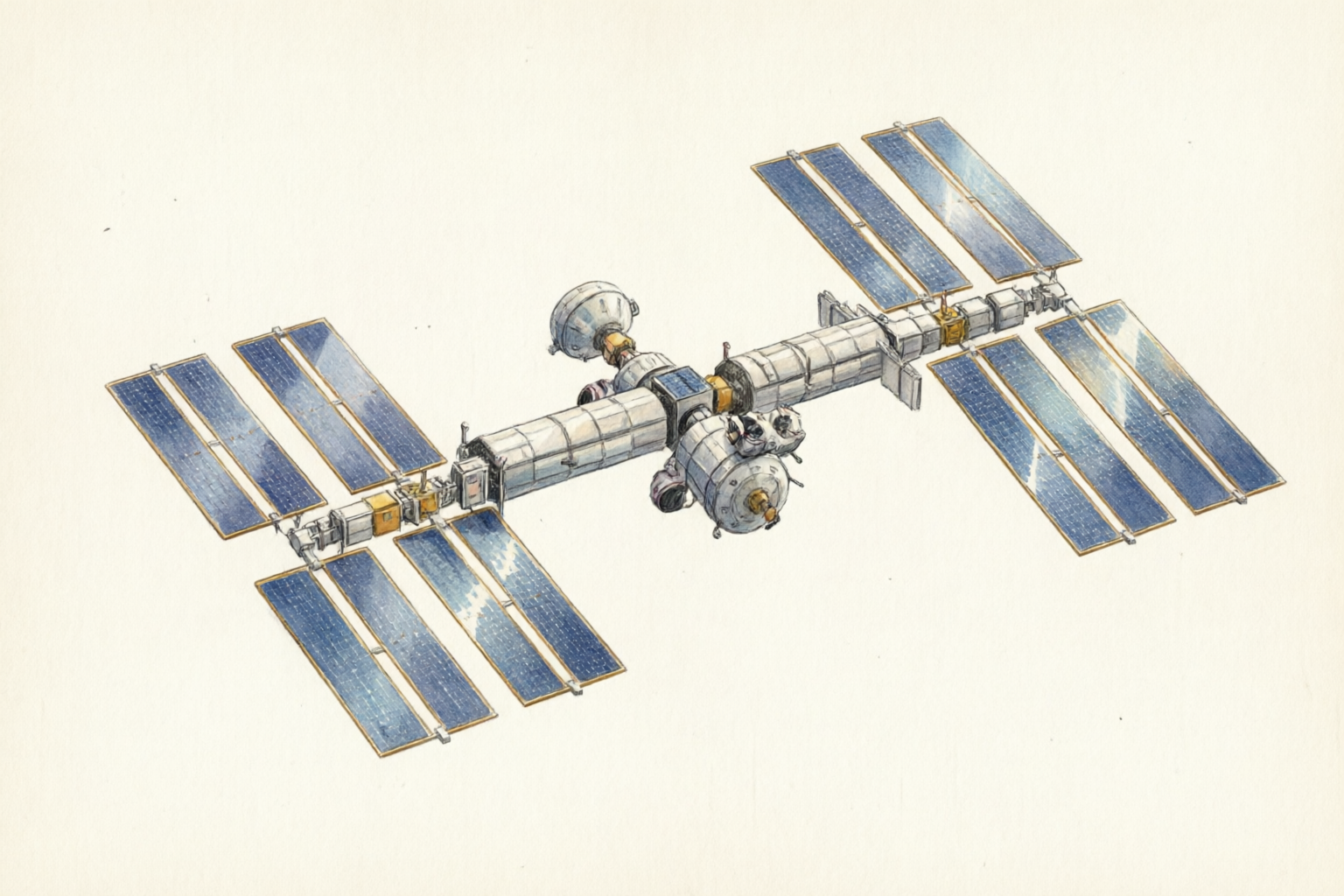
New heat shield designs tested for safer space missions
NASA successfully deployed experimental heat shield prototypes during a recent atmospheric re-entry, gathering critical data to improve thermal protection for future crewed spaceflights.
Written automatically from the sources below and not individually reviewed by a human editor.
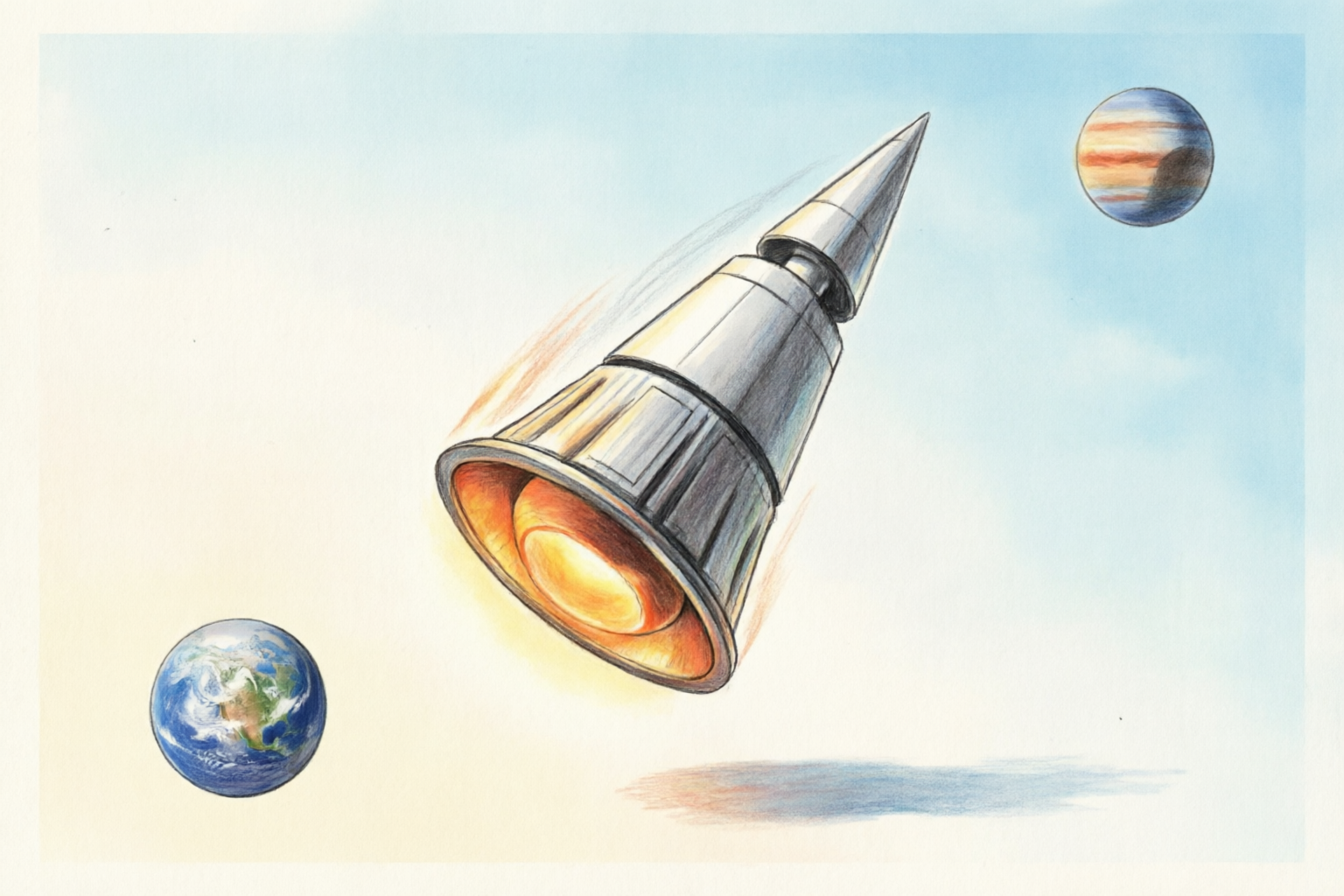
NASA has completed a test of advanced heat shield materials designed to enhance safety for astronauts traveling to the Moon and Mars. The experiment, conducted in collaboration with academic and industry partners, involved deploying multiple capsules equipped with next-generation thermal protection systems. These materials, including flexible carbon and phenolic fibers, were engineered to be more adaptable and cost-effective than traditional options while maintaining durability under extreme conditions. One design featured a deployable structure resembling an umbrella, expanding surface area to manage heat more efficiently during re-entry. Sensors aboard the capsules recorded environmental factors such as temperature, pressure, and motion, providing real-world validation for computer models. By repurposing a cargo spacecraft’s descent trajectory, researchers collected essential data at a reduced cost. The findings support NASA’s broader efforts to develop cutting-edge technologies while fostering the next generation of scientists and engineers through programs like EPSCoR. This progress could ultimately reduce risks for astronauts and expand opportunities for commercial spaceflight.
Sources
1 sourceThe article is grounded in the independently assessed evidence listed here.
Generated from retrieved source material, checked for evidence and provenance, and released through runtime safety controls.
Read our editorial standard →Spot a problem?
Reports go to the operator review queue and do not alter the article automatically.