Local traditions shape sustainable farming in rural forests
A new study reveals how unwritten community rules maintain balanced land use in small-scale farming systems, contradicting assumptions about destructive slash-and-burn practices.
Written automatically from the sources below and not individually reviewed by a human editor.
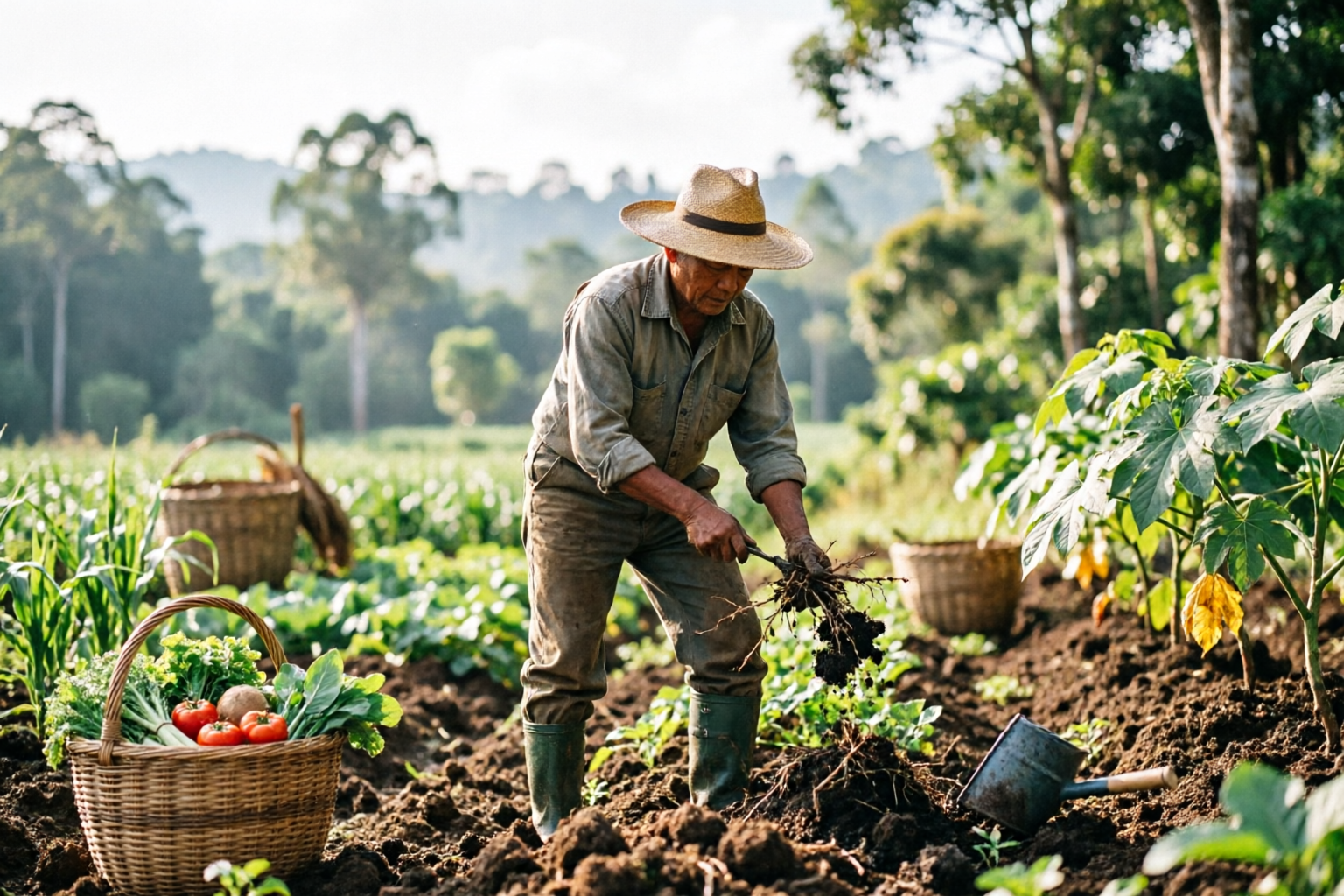
Researchers have identified that small rural communities rely on informal social agreements rather than formal regulations to manage their land sustainably. These unwritten norms help coordinate farming activities that involve clearing small forest areas, using controlled burns for soil enrichment, and allowing land to recover naturally. The findings challenge the widely held belief that such practices inevitably harm ecosystems. Instead, the study suggests these traditional methods can actually support greater biological diversity than leaving forests completely undisturbed. The research team analyzed land-use patterns across tropical and subtropical regions, using remote sensing and modeling to observe how community cooperation influences outcomes. Their work highlights how local knowledge and collective decision-making may offer effective alternatives to top-down conservation strategies in certain contexts. The findings could inform discussions about sustainable land management and the role of community-led practices in environmental protection efforts worldwide. The study was published in *Proceedings of the National Academy of Sciences* and involved collaboration between institutions in the United States and Europe.
Sources
1 sourceThe article is grounded in the independently assessed evidence listed here.
Generated from retrieved source material, checked for evidence and provenance, and released through runtime safety controls.
Read our editorial standard →Spot a problem?
Reports go to the operator review queue and do not alter the article automatically.