Scientists harness microbes to transform wastewater emissions into valuable resources
Researchers at MIT have created a biological method to convert methane released during wastewater treatment into carbonate and sulfur, offering a dual benefit of reducing greenhouse gases and producing materials for industry.
Written automatically from the sources below and not individually reviewed by a human editor.
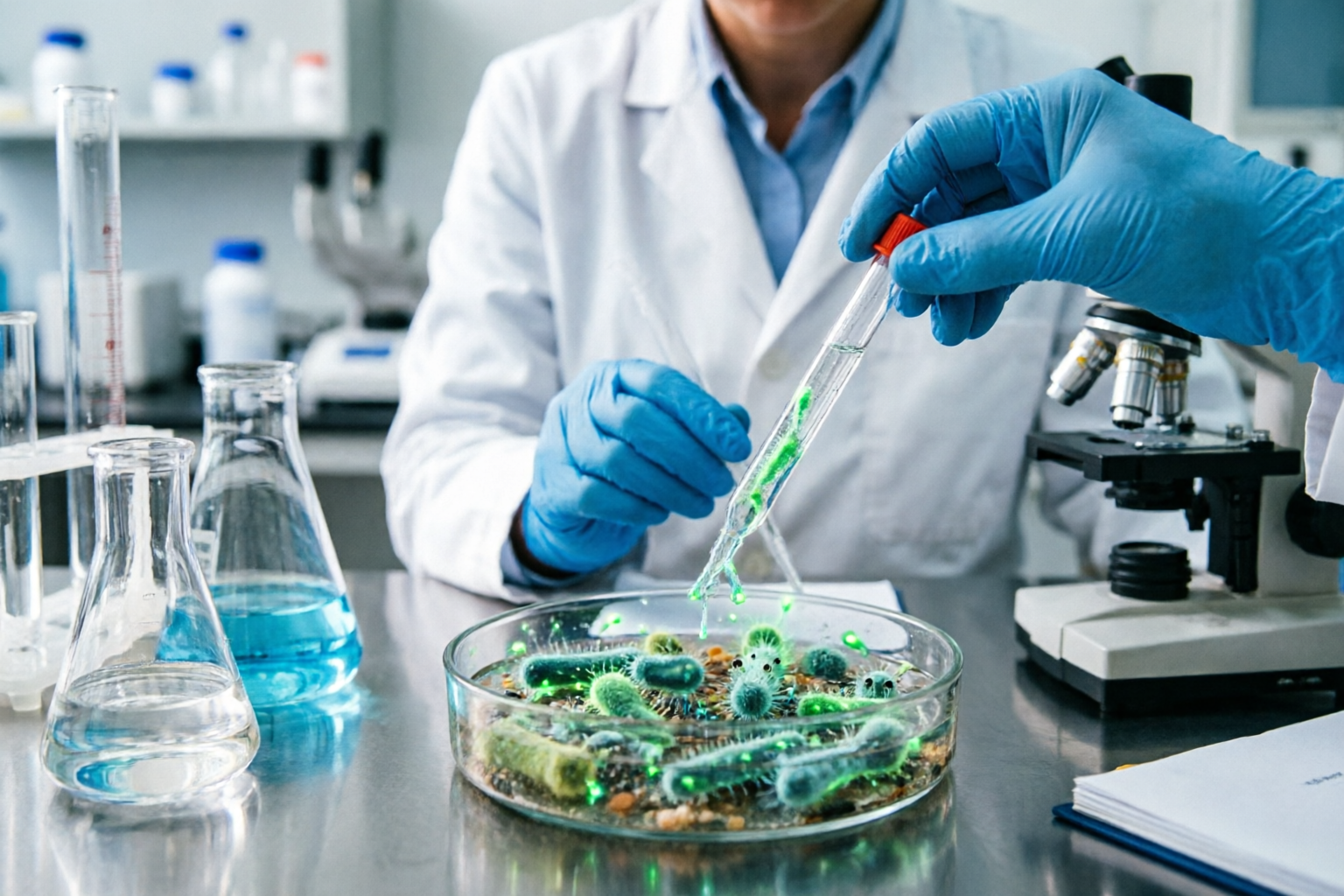
A team led by MIT PhD student Gage Coon has pioneered a microbial approach to tackle methane emissions from wastewater systems. By introducing gypsum into anaerobic digesters, the process converts methane—a potent greenhouse gas—into carbonate and elemental sulfur. These byproducts can then be repurposed in cement production, agriculture, and fertilizer manufacturing, creating a sustainable cycle from waste. Early testing at pilot scale shows promise, with discussions underway to expand the method in urban treatment facilities. This work builds on broader research into microbial interactions, including studies of coastal wetlands and oceanic methane seeps, all aimed at refining climate mitigation strategies. The innovation not only addresses a significant source of emissions but also transforms waste into useful industrial materials, aligning technological progress with environmental goals. Coon’s research also extends to mentoring the next generation of scientists, reinforcing the collaborative effort to develop scalable solutions for global challenges. The approach represents a step toward integrating microbial science with practical applications in infrastructure and sustainability.
Sources
1 sourceThe article is grounded in the independently assessed evidence listed here.
Generated from retrieved source material, checked for evidence and provenance, and released through runtime safety controls.
Read our editorial standard →Spot a problem?
Reports go to the operator review queue and do not alter the article automatically.