Brain cells shrink during exercise, spurring neuron growth in mice
Researchers found that physical activity triggers astrocyte contraction, which may promote the formation of new brain cells and offer insights into preserving cognitive function.
Written automatically from the sources below and not individually reviewed by a human editor.
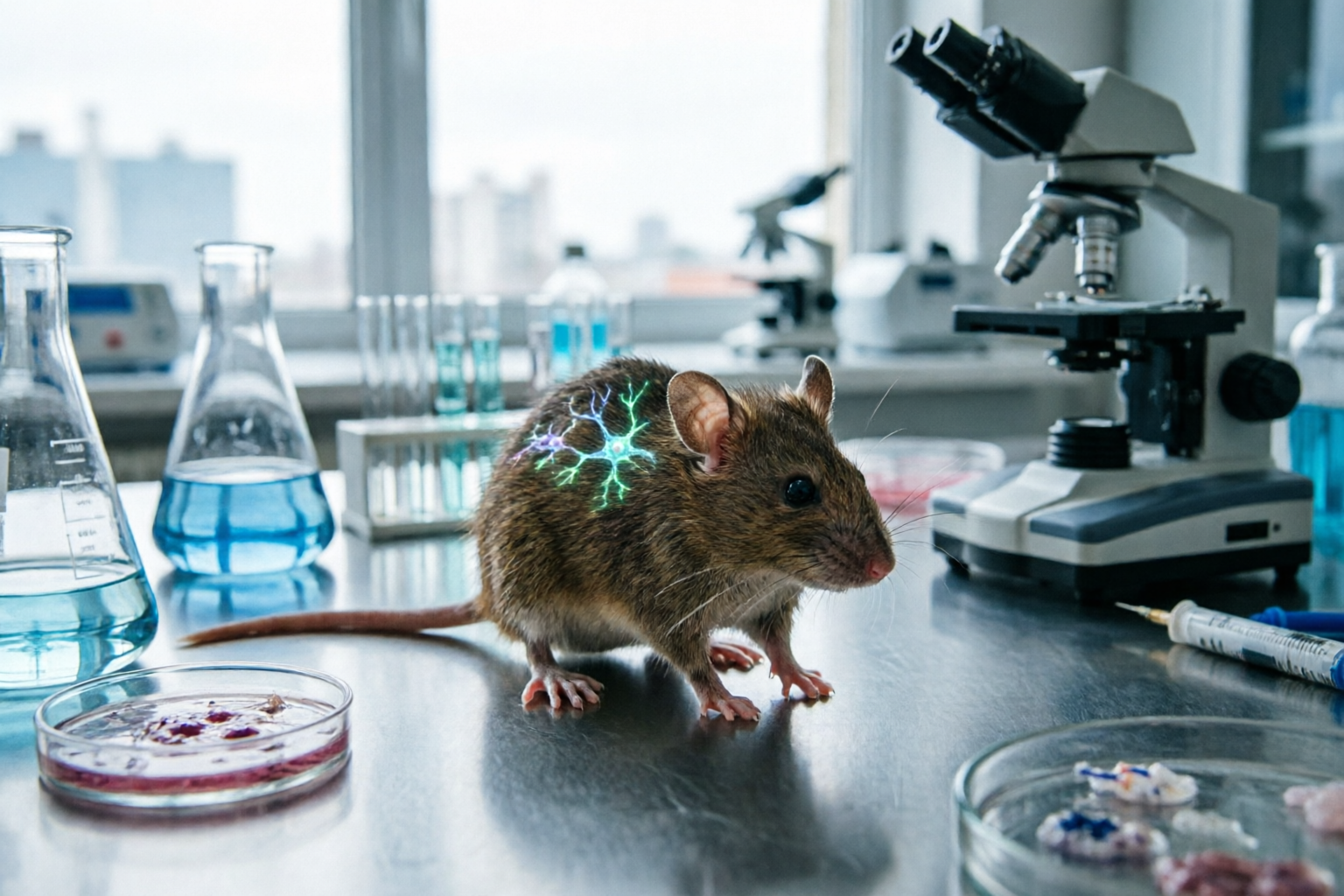
A study involving mice has uncovered a previously unknown link between exercise and brain cell development. Researchers observed that physical exertion prompts astrocytes—supportive cells in the brain—to contract, a process that appears to stimulate the generation of new neurons in the hippocampus. This region is critical for learning and memory, suggesting a biological mechanism that could explain why regular activity benefits mental sharpness. The findings also indicate that signals released by contracting muscle cells may enhance astrocyte activity, reinforcing the connection between movement and brain health. While the study focuses on mice, the results raise the possibility of similar effects in humans, potentially informing strategies to slow cognitive decline. Further investigation will be needed to determine whether these mechanisms translate directly to people, but the discovery highlights a promising avenue for understanding how lifestyle choices impact the brain over time. The work underscores the importance of physical activity not only for the body but also for maintaining neural function as we age.
Sources
1 sourceThe article is grounded in the independently assessed evidence listed here.
Generated from retrieved source material, checked for evidence and provenance, and released through runtime safety controls.
Read our editorial standard →Spot a problem?
Reports go to the operator review queue and do not alter the article automatically.