Space experiment confirms atoms obey Einstein’s gravity rules with high precision
Researchers aboard China’s Tiangong space station have verified that two distinct atomic clouds fall at the same rate, reinforcing a key principle of general relativity in a microgravity setting.
Written automatically from the sources below and not individually reviewed by a human editor.
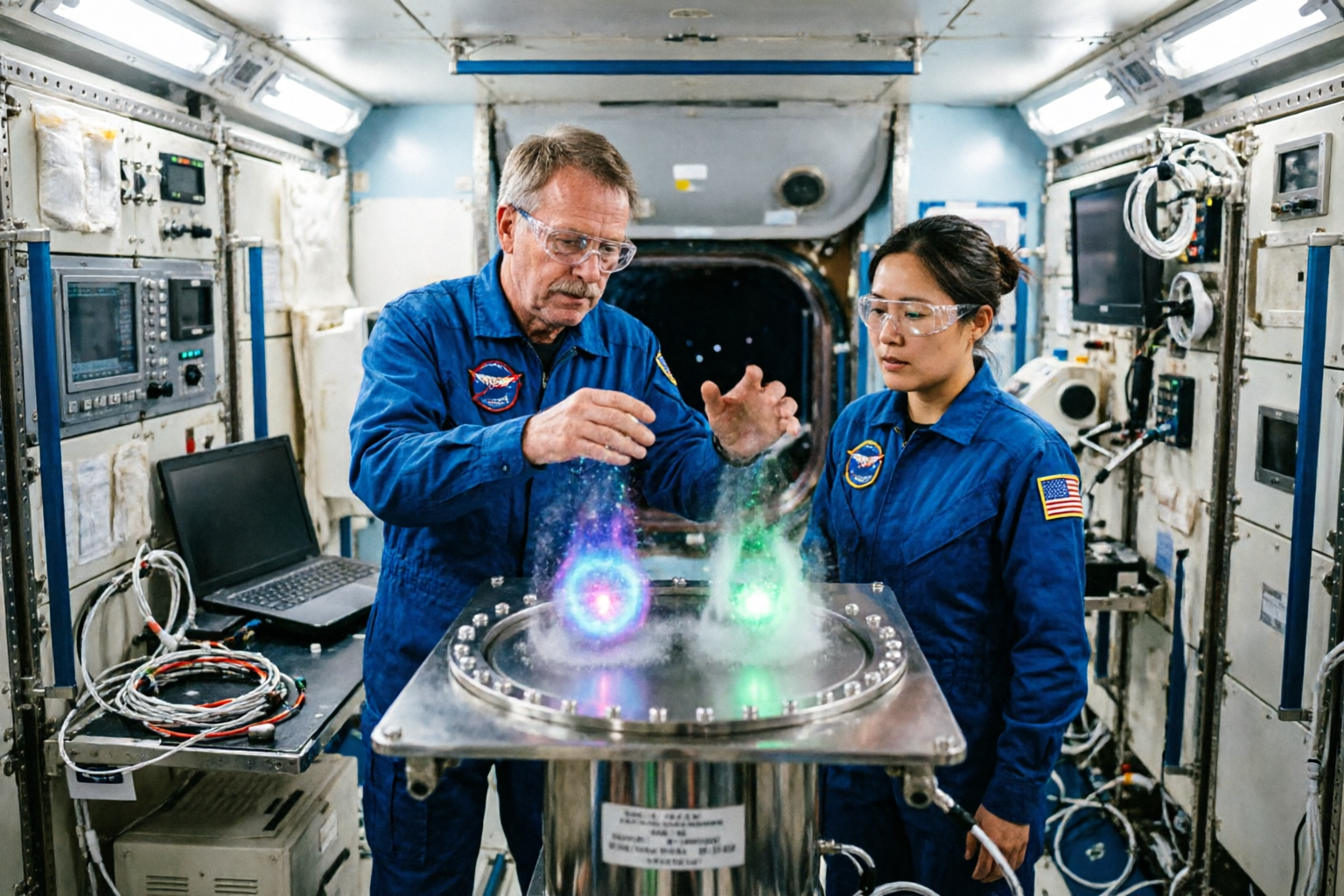
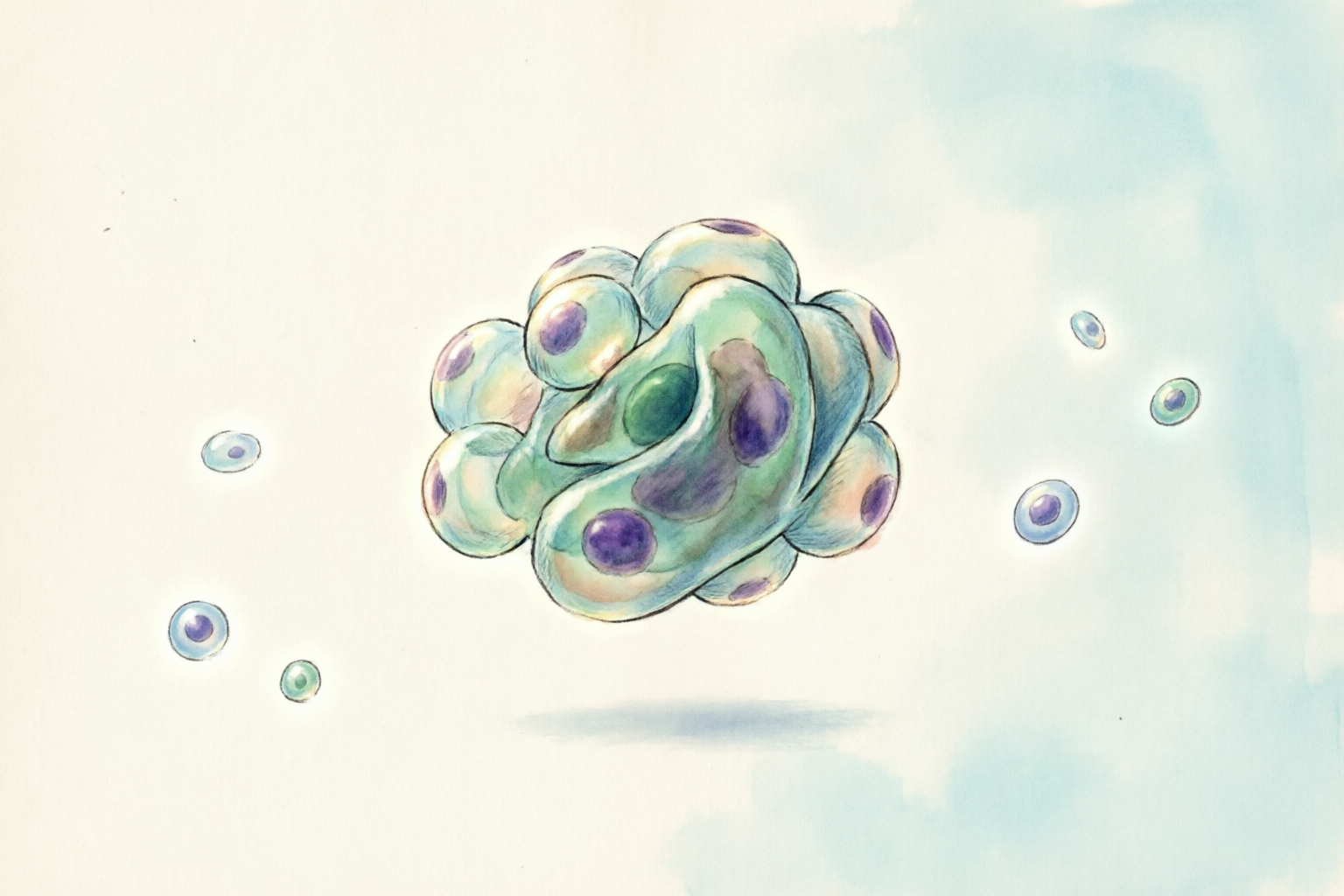
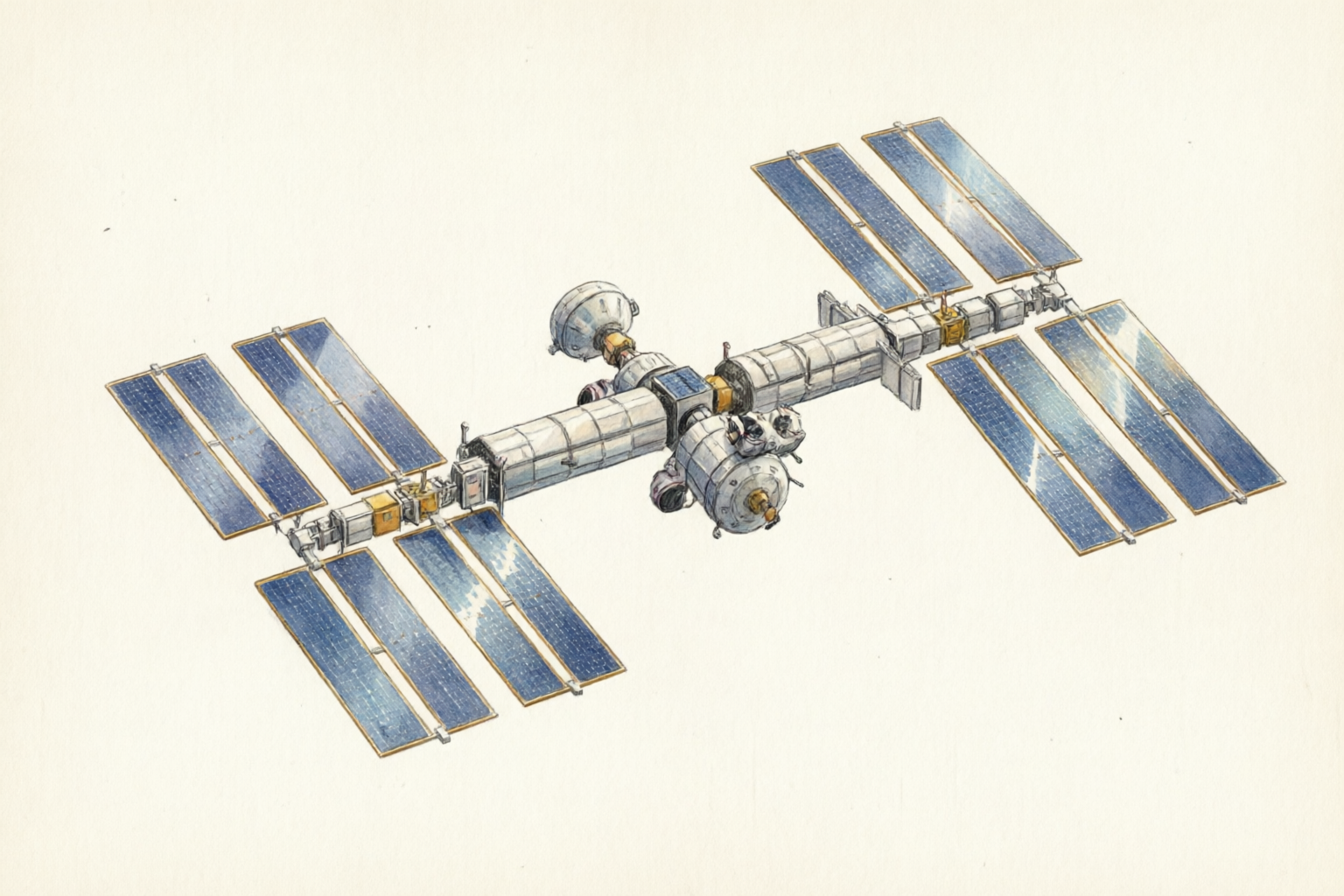
A recent experiment conducted on China’s Tiangong space station has provided strong evidence supporting a fundamental aspect of Einstein’s theory of general relativity. By recreating Galileo’s classic gravity test with clouds of rubidium atoms, scientists observed that these atomic clusters—despite differing internal structures—experienced identical acceleration in free fall. This confirmation of the weak equivalence principle at the atomic scale builds on earlier findings but achieves greater accuracy by leveraging the unique conditions of space, where objects can fall freely without interference for extended periods. The results suggest that gravitational and inertial mass behave equivalently even at the smallest measurable scales, a discovery that could refine our understanding of how gravity interacts with matter. Such precision tests in orbit may also open new avenues for exploring quantum mechanics and relativity together, potentially uncovering subtle deviations from current theories in the future. The experiment underscores the value of space-based research in probing the limits of physics.
Sources
1 sourceThe article is grounded in the independently assessed evidence listed here.
Generated from retrieved source material, checked for evidence and provenance, and released through runtime safety controls.
Read our editorial standard →Spot a problem?
Reports go to the operator review queue and do not alter the article automatically.