U.S. science agency launches new centers to transform materials research
The National Science Foundation has created two research hubs to accelerate materials science, integrating automation and industry partnerships.
Written automatically from the sources below and not individually reviewed by a human editor.
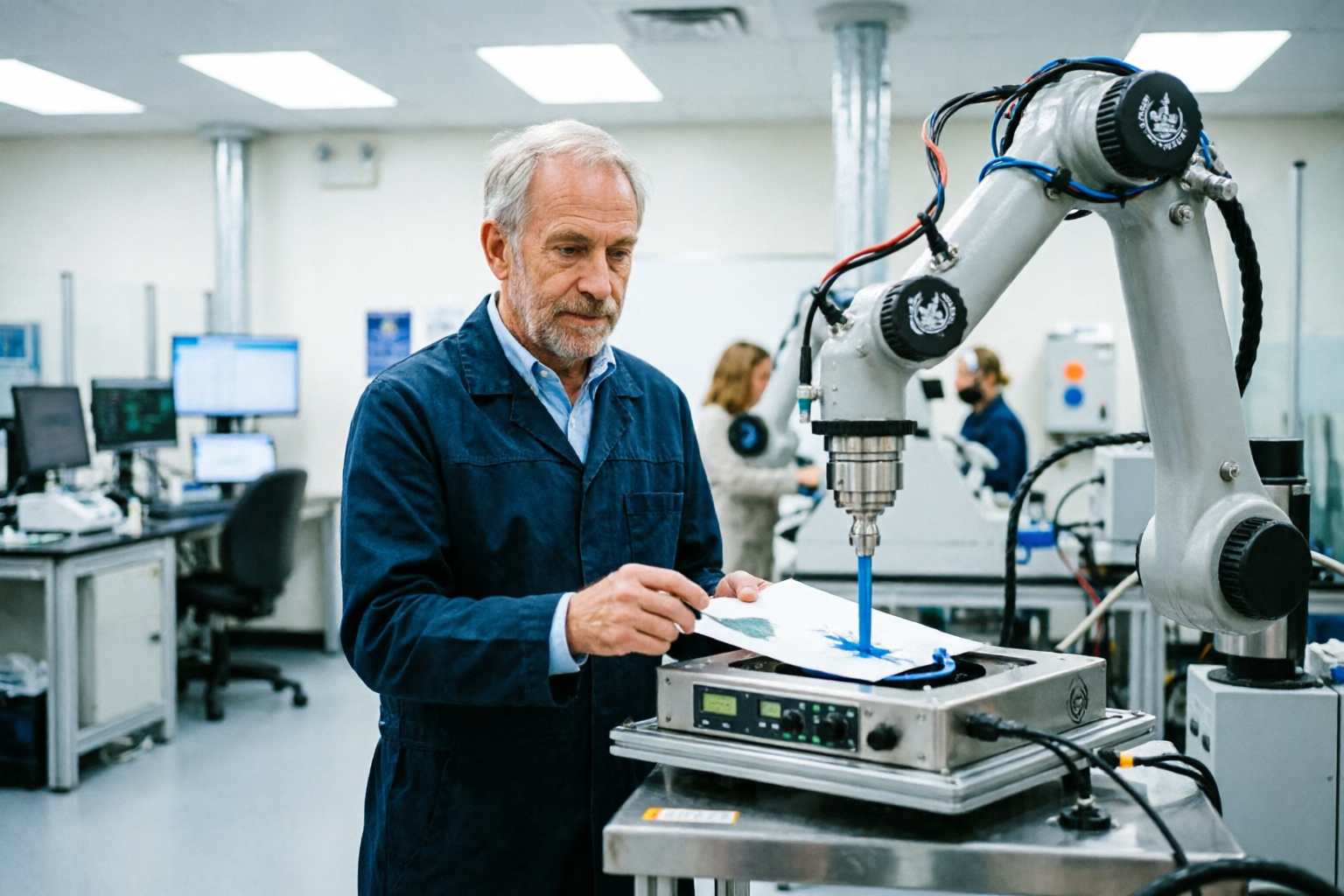
The U.S. National Science Foundation has established two new Materials Innovation Platforms to advance materials research through cutting-edge techniques. One hub in Texas will focus on developing advanced alloys using robotics and artificial intelligence, targeting applications in aerospace, defense, and energy sectors. The other platform in Wisconsin will explore material design for extreme conditions, such as high temperatures and radiation exposure. Both initiatives aim to foster collaboration among researchers and industry partners, with visiting scientists selected through competitive processes. These platforms build on existing efforts to strengthen the nation’s materials science infrastructure, emphasizing automation and data-driven experimentation to address complex challenges in technology and engineering. The development reflects a broader push to integrate emerging technologies into scientific research, potentially unlocking new capabilities in materials performance and durability. By supporting these hubs, the foundation seeks to position the U.S. at the forefront of materials innovation, bridging academic research with real-world applications.
Sources
1 sourceThe article is grounded in the independently assessed evidence listed here.
Generated from retrieved source material, checked for evidence and provenance, and released through runtime safety controls.
Read our editorial standard →Spot a problem?
Reports go to the operator review queue and do not alter the article automatically.