Scientists transform industrial lignin into valuable chemical compounds
Researchers have created a method to convert kraft lignin—a difficult-to-process byproduct—into benzylamines, a key ingredient for pharmaceuticals and agricultural products, using methanol and catalytic processes.
Written automatically from the sources below and not individually reviewed by a human editor.
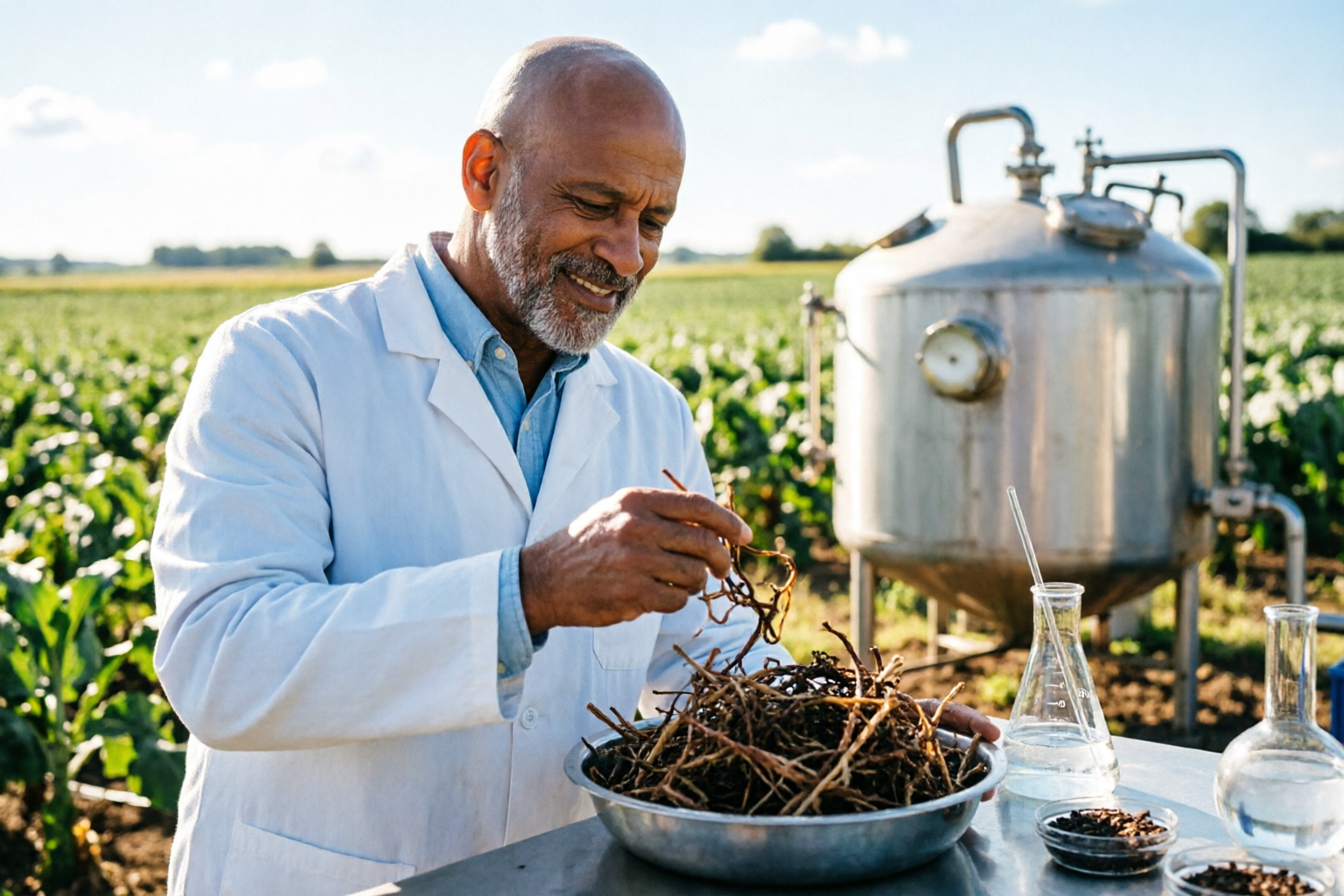
Scientists have developed a method to repurpose kraft lignin, a stubborn byproduct of pulp and paper production, into benzylamines, a versatile chemical used in pharmaceuticals, dyes, and agricultural products. The process, validated at Lawrence Berkeley National Laboratory, relies on methanol as the primary solvent, with catalytic reagents playing a supporting role. Unlike conventional approaches, this method offers a scalable and economically practical way to transform lignin, which is otherwise underutilized despite its abundance. The breakthrough could reduce industrial waste while providing a sustainable route for chemical manufacturing. Funding for the research came from the U.S. Department of Energy’s Alternative Fuels and Feedstocks Office, underscoring its potential for broader industrial adoption. By converting lignin—a material often discarded—into high-value compounds, the process aligns with growing efforts to minimize environmental impact in chemical production. The findings mark a significant step toward integrating waste streams into useful industrial applications, potentially influencing sectors reliant on lignin-derived chemicals.
Sources
1 sourceThe article is grounded in the independently assessed evidence listed here.
Generated from retrieved source material, checked for evidence and provenance, and released through runtime safety controls.
Read our editorial standard →Spot a problem?
Reports go to the operator review queue and do not alter the article automatically.