Scientists refine seismic approach to locate hidden lunar water deposits
Researchers have developed a method using seismic waves to identify subsurface ice on the moon, aiding upcoming Artemis missions and robotic exploration efforts.
Written automatically from the sources below and not individually reviewed by a human editor.
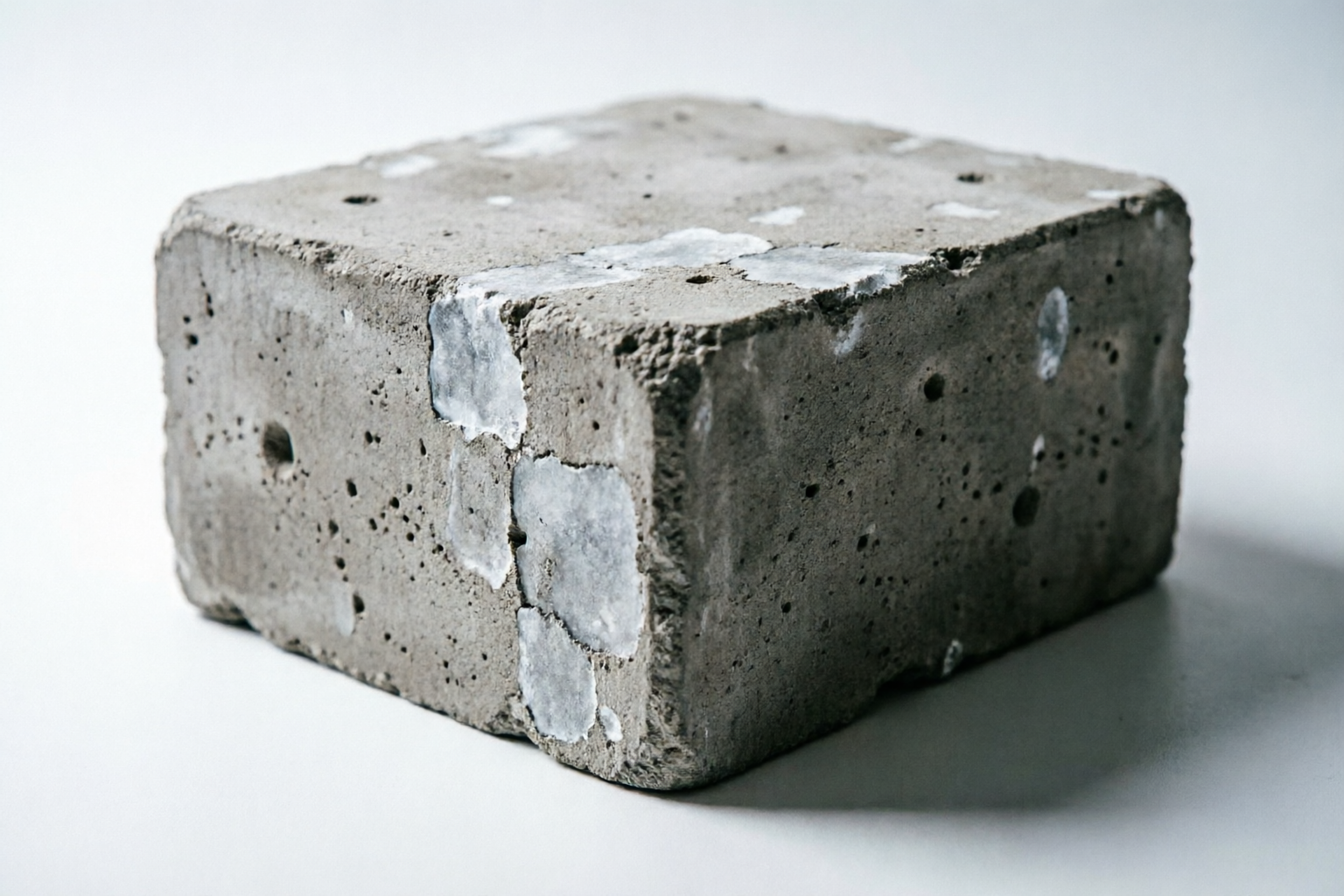
A team of scientists has introduced a new technique to detect buried ice on the moon by analyzing seismic vibrations. The approach combines computational modeling with experimental simulations to assess how lunar materials respond to seismic waves, potentially revealing hidden water deposits beneath the surface. Researchers constructed a specialized chamber to replicate the moon’s harsh conditions, allowing them to observe how simulated lunar soil behaves under extreme cold and vacuum environments. This method could assist future robotic missions, including NASA’s VIPER rover, which will use percussive drilling to generate seismic signals for ice detection. The findings mark a step forward in lunar geophysics, offering a framework for exploring subsurface resources that could support long-term human presence on the moon. The study was supported by multiple agencies, including NASA and the Department of Energy, and builds on broader efforts to understand the moon’s composition and potential water reserves. While the technique shows promise, further validation through actual lunar missions will be necessary to confirm its effectiveness in real-world conditions.
Sources
1 sourceThe article is grounded in the independently assessed evidence listed here.
Generated from retrieved source material, checked for evidence and provenance, and released through runtime safety controls.
Read our editorial standard →Spot a problem?
Reports go to the operator review queue and do not alter the article automatically.