Scientists convert airborne carbon dioxide into graphite for battery materials
Researchers have devised a method to transform atmospheric carbon dioxide into solid carbon using molten-salt electrolysis, offering a potential new source for graphite production in energy storage applications.
Written automatically from the sources below and not individually reviewed by a human editor.
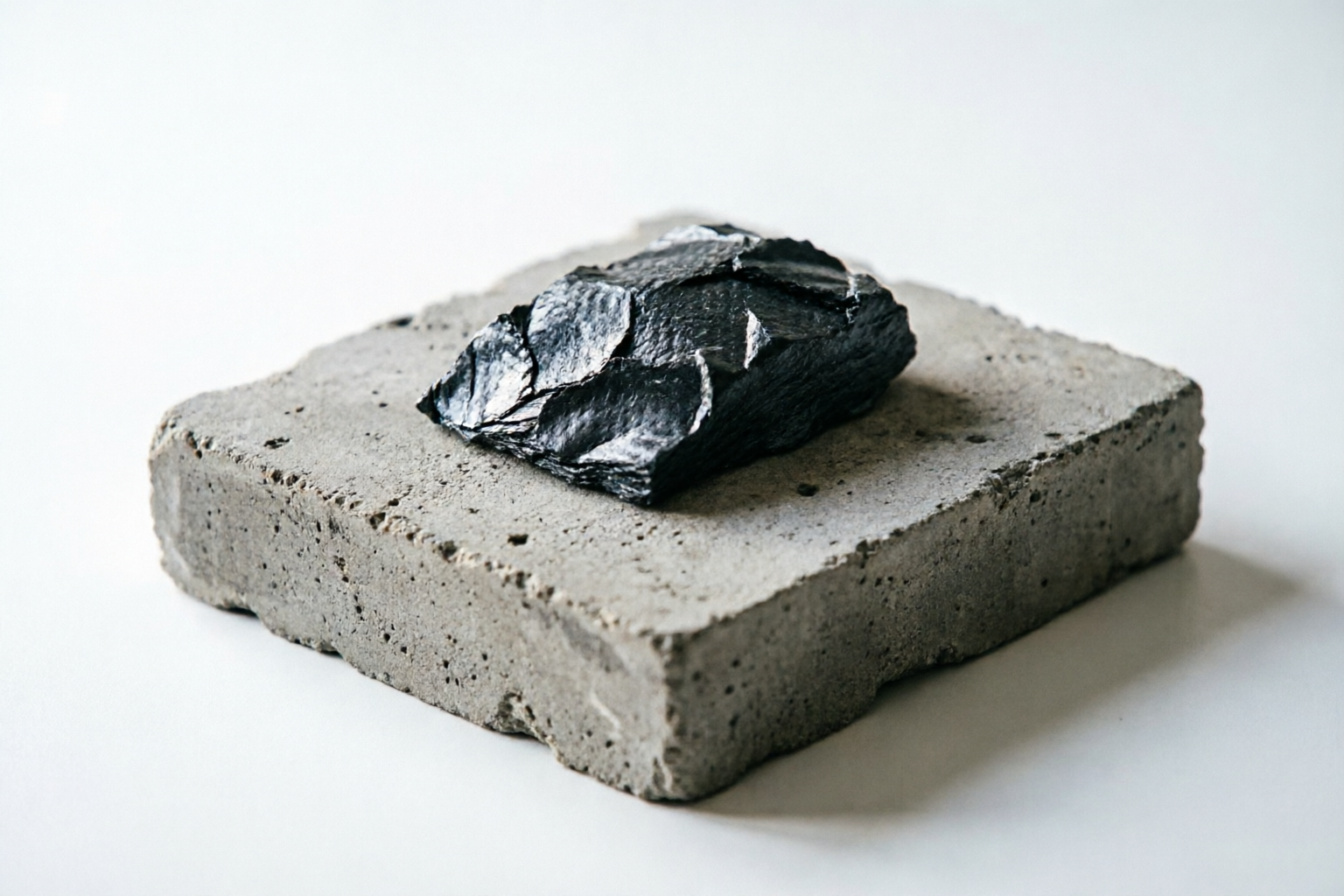
A team of researchers has uncovered a process that converts airborne carbon dioxide into solid carbon, specifically graphite, using molten-salt electrolysis. This breakthrough could address the growing demand for graphite, a key material in batteries, electronics, and industrial equipment. The method operates at elevated temperatures and relies on a two-step molecular reaction, which was observed in real time through specialized microscopy. Unlike conventional mining, this approach could reduce reliance on imported graphite while repurposing atmospheric carbon dioxide. The process also demonstrates flexibility in producing different carbon structures, including high-quality graphite suitable for battery manufacturing. Further development will focus on refining the technique for large-scale industrial use, potentially reshaping supply chains for critical energy materials. The research was supported by a U.S. Department of Energy initiative aimed at advancing materials science for sustainable energy solutions. While challenges remain in optimizing the method, the findings mark a significant step toward integrating carbon capture with material production.
Sources
1 sourceThe article is grounded in the independently assessed evidence listed here.
Generated from retrieved source material, checked for evidence and provenance, and released through runtime safety controls.
Read our editorial standard →Spot a problem?
Reports go to the operator review queue and do not alter the article automatically.