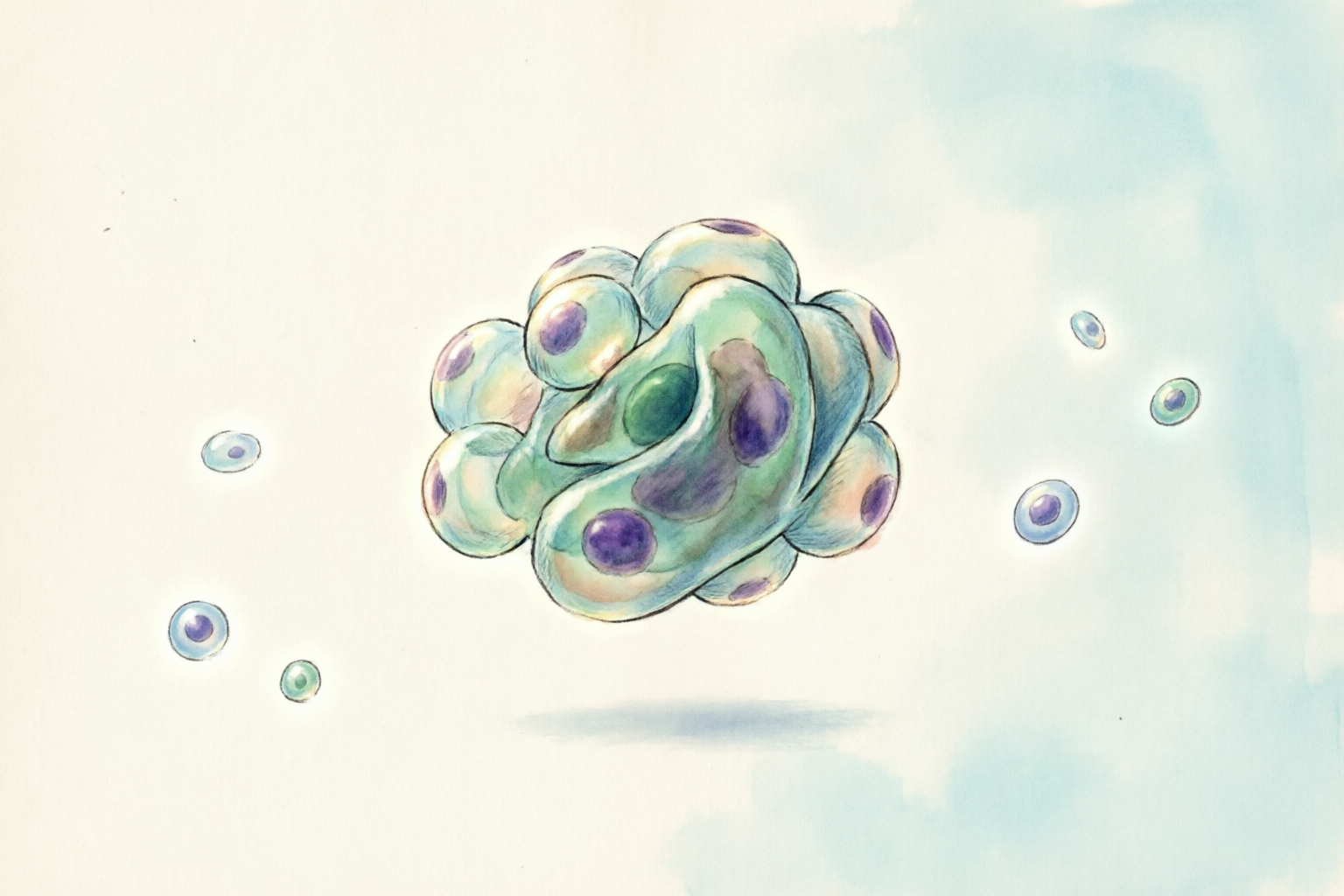
Scientists achieve parallel operation of two genetic codes in lab setting
A research team has demonstrated the simultaneous use of two distinct genetic codes within a controlled environment, allowing separate proteins to be generated from a single molecular template without interfering with natural processes.
Written automatically from the sources below and not individually reviewed by a human editor.
Researchers have successfully run two separate genetic codes at once inside a laboratory setting, marking a potential leap forward in synthetic biology. Traditionally, altering the genetic code has required extensive modifications to an organism’s entire genetic makeup, posing risks of malformed proteins or unintended disruptions. This new approach sidesteps those challenges by operating outside living cells, using engineered ribosomes and transfer RNAs to decode a single message in two different ways. The breakthrough could allow scientists to explore artificial genetic systems more safely, testing new codes without the need for full genomic overhauls. Such advancements may eventually support tailored protein production or the development of novel biological functions, though practical applications in living organisms remain a future prospect. The work highlights how controlled lab environments can push the boundaries of genetic engineering while minimizing risks to natural biological systems. Further study will determine whether this method can be adapted for use inside cells, opening doors to broader applications in medicine and biotechnology.
Sources
1 sourceThe article is grounded in the independently assessed evidence listed here.
Generated from retrieved source material, checked for evidence and provenance, and released through runtime safety controls.
Read our editorial standard →Spot a problem?
Reports go to the operator review queue and do not alter the article automatically.