Satellite salinity data reveals early signs of shifting Pacific weather patterns
New observations from space-based instruments show how ocean surface salinity can signal the onset of El Niño events before traditional temperature measurements.
Written automatically from the sources below and not individually reviewed by a human editor.
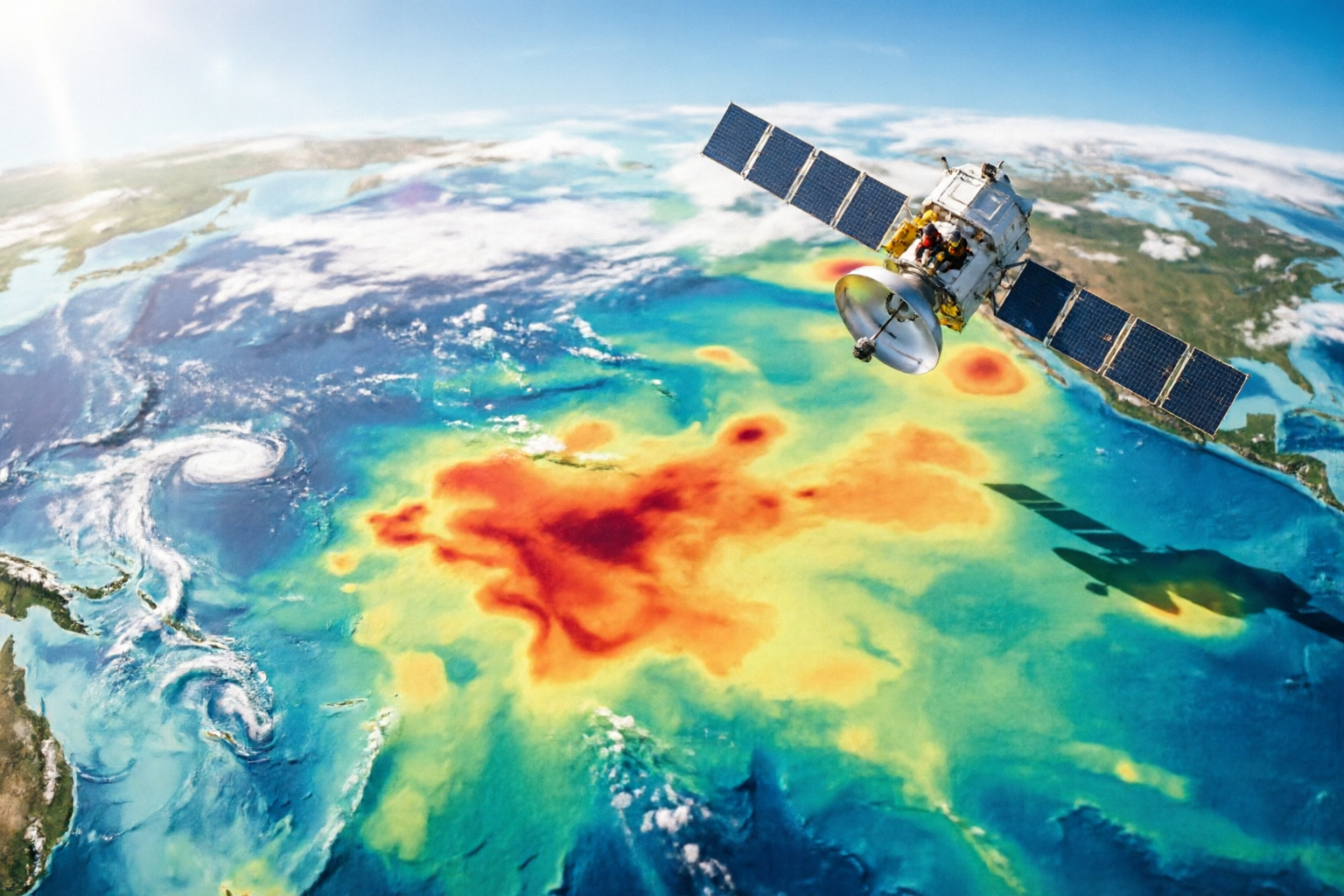
A satellite mission operated by the European Space Agency has demonstrated that tracking ocean surface salinity can provide an earlier warning of El Niño development. The SMOS mission uses specialized sensors to detect variations in seawater saltiness, which reflect changes in atmospheric moisture patterns across the tropical Pacific. These shifts often precede the temperature-based signals currently used to identify El Niño events. Researchers suggest that incorporating salinity data into forecasting models could improve predictions of when and how strongly these climate phenomena will unfold. The findings highlight how ocean and atmosphere interactions manifest in measurable ways long before their full effects become apparent through conventional indicators. This approach may offer climate scientists a new tool for anticipating disruptions to global weather systems with greater lead time than existing methods allow. The work underscores the value of continuous, large-scale ocean monitoring in understanding complex climate dynamics and their far-reaching consequences for weather patterns worldwide.
Sources
1 sourceThe article is grounded in the independently assessed evidence listed here.
Generated from retrieved source material, checked for evidence and provenance, and released through runtime safety controls.
Read our editorial standard →Spot a problem?
Reports go to the operator review queue and do not alter the article automatically.