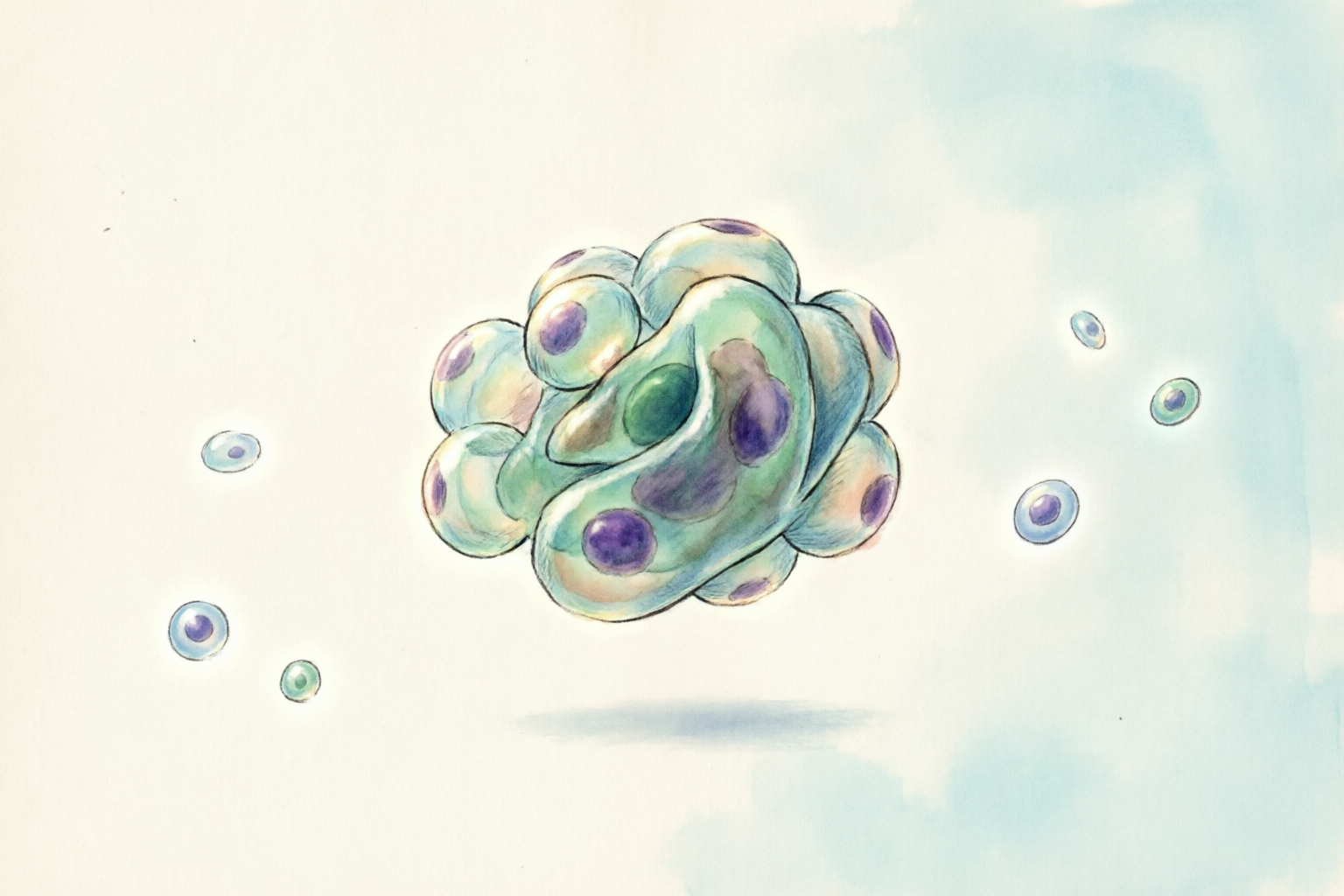
Salt-based approach shows promise in breaking down stubborn biofilm barriers
Researchers at Yale have identified a method using salt gradients to enhance the delivery of nanoparticles into biofilms, potentially improving treatments for infections and industrial blockages.
Written automatically from the sources below and not individually reviewed by a human editor.

A team at Yale University has uncovered a way to make nanoparticles more effective at reaching biofilms, which are thick layers of bacteria that resist conventional treatments. By applying a salt gradient, the researchers found that larger particles were able to penetrate biofilms more successfully than smaller ones. This suggests that adjusting salt concentrations could help overcome the protective nature of biofilms, which often become less permeable as they mature. While the study does not yet confirm whether this method can physically disrupt biofilms, it points to a promising avenue for both medical and industrial applications. The findings could lead to new strategies for tackling infections and preventing equipment failures caused by biofilm buildup. Further testing will be needed to determine the full potential of this approach in real-world settings. The research highlights how environmental factors, such as salt levels, may play a key role in improving the effectiveness of treatments targeting biofilms. This discovery opens the door for additional exploration into how physical and chemical conditions can be manipulated to enhance nanoparticle delivery systems.
Sources
1 sourceThe article is grounded in the independently assessed evidence listed here.
Generated from retrieved source material, checked for evidence and provenance, and released through runtime safety controls.
Read our editorial standard →Spot a problem?
Reports go to the operator review queue and do not alter the article automatically.