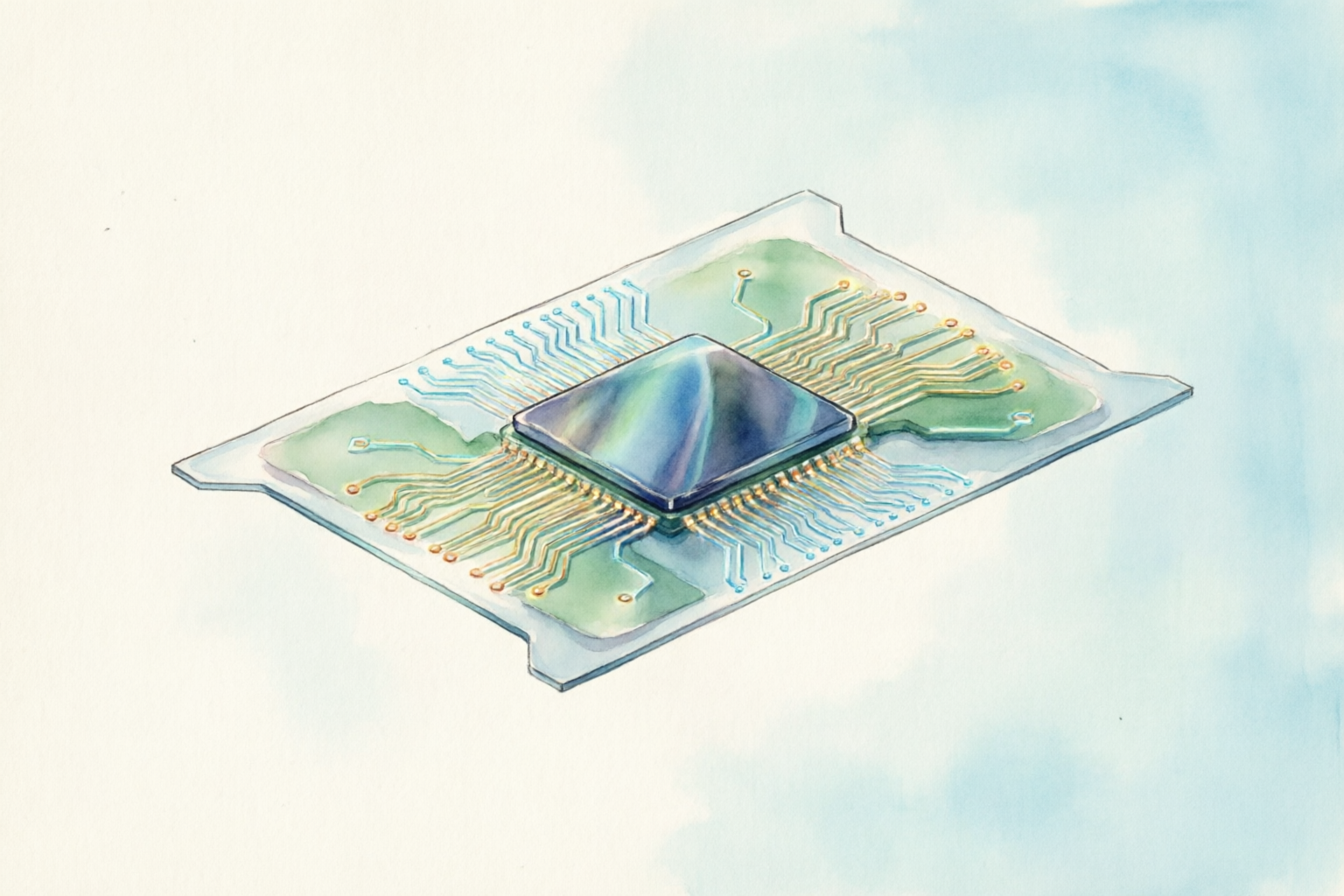
Researchers unveil flexible circuits for adaptive smart devices
A new system allows devices to alter their form while retaining electrical function, opening possibilities for tools in robotics and emergency response.
Written automatically from the sources below and not individually reviewed by a human editor.
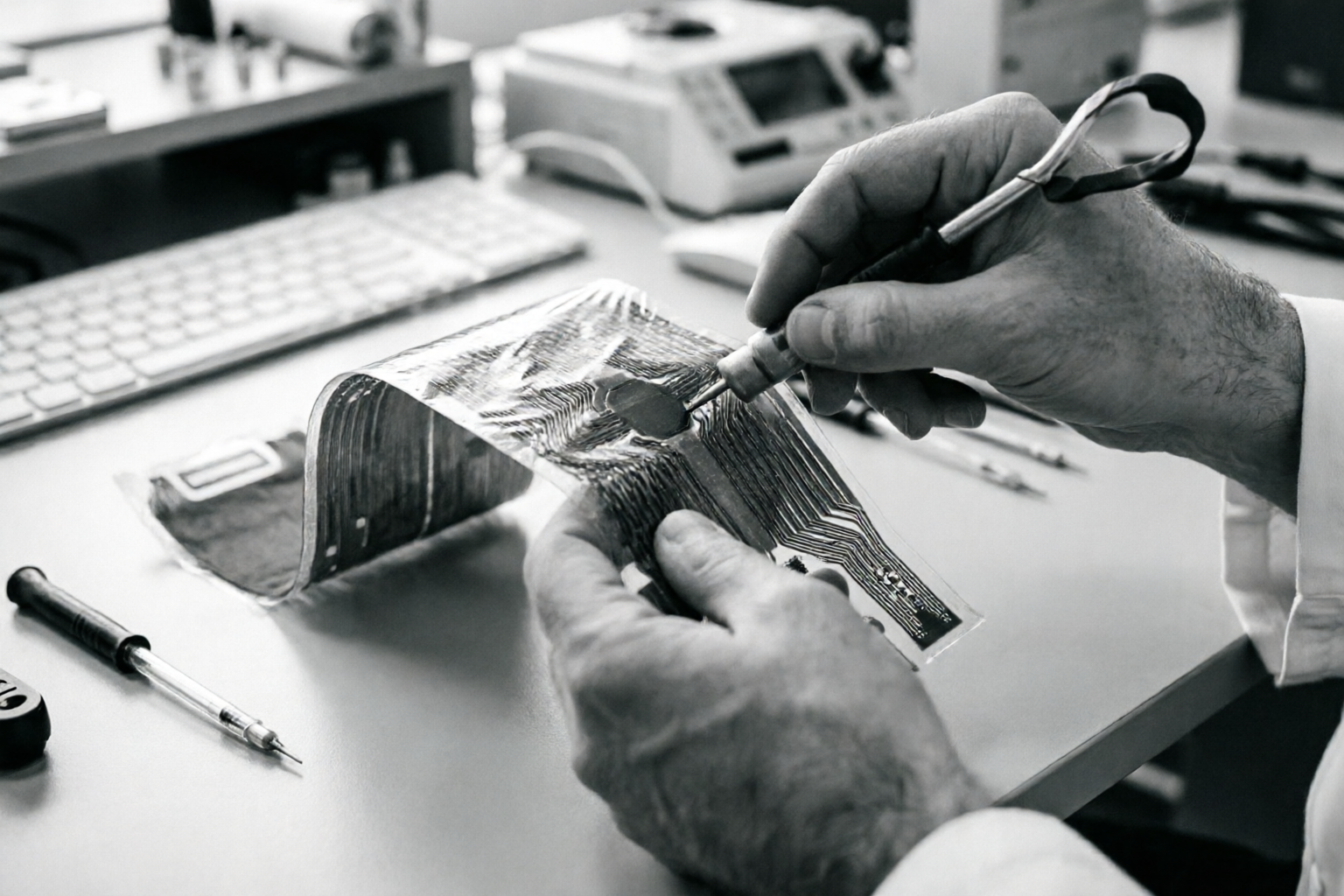
Engineers have introduced a method for constructing smart devices capable of reshaping without losing performance. The approach relies on bifur-circuits, which preserve electrical connections even as the structure deforms. Testing confirmed these circuits endure repeated stress while maintaining functionality, suggesting practical use in fields requiring adaptability. Early prototypes include a chair that transforms into a table and antennas that reconfigure their shape to adjust signal properties. Potential applications extend to medical rehabilitation aids, robotic components, and temporary shelters for disaster scenarios. The development marks a step toward integrating flexibility into electronic design, addressing challenges in both durability and versatility. Collaborators from multiple institutions contributed to the research, which was supported by international funding initiatives. The system’s ability to adapt could redefine how interactive and responsive devices are engineered for diverse environments. Further exploration may expand its role in sectors where conventional electronics struggle to meet dynamic demands.
Sources
1 sourceThe article is grounded in the independently assessed evidence listed here.
Generated from retrieved source material, checked for evidence and provenance, and released through runtime safety controls.
Read our editorial standard →Spot a problem?
Reports go to the operator review queue and do not alter the article automatically.