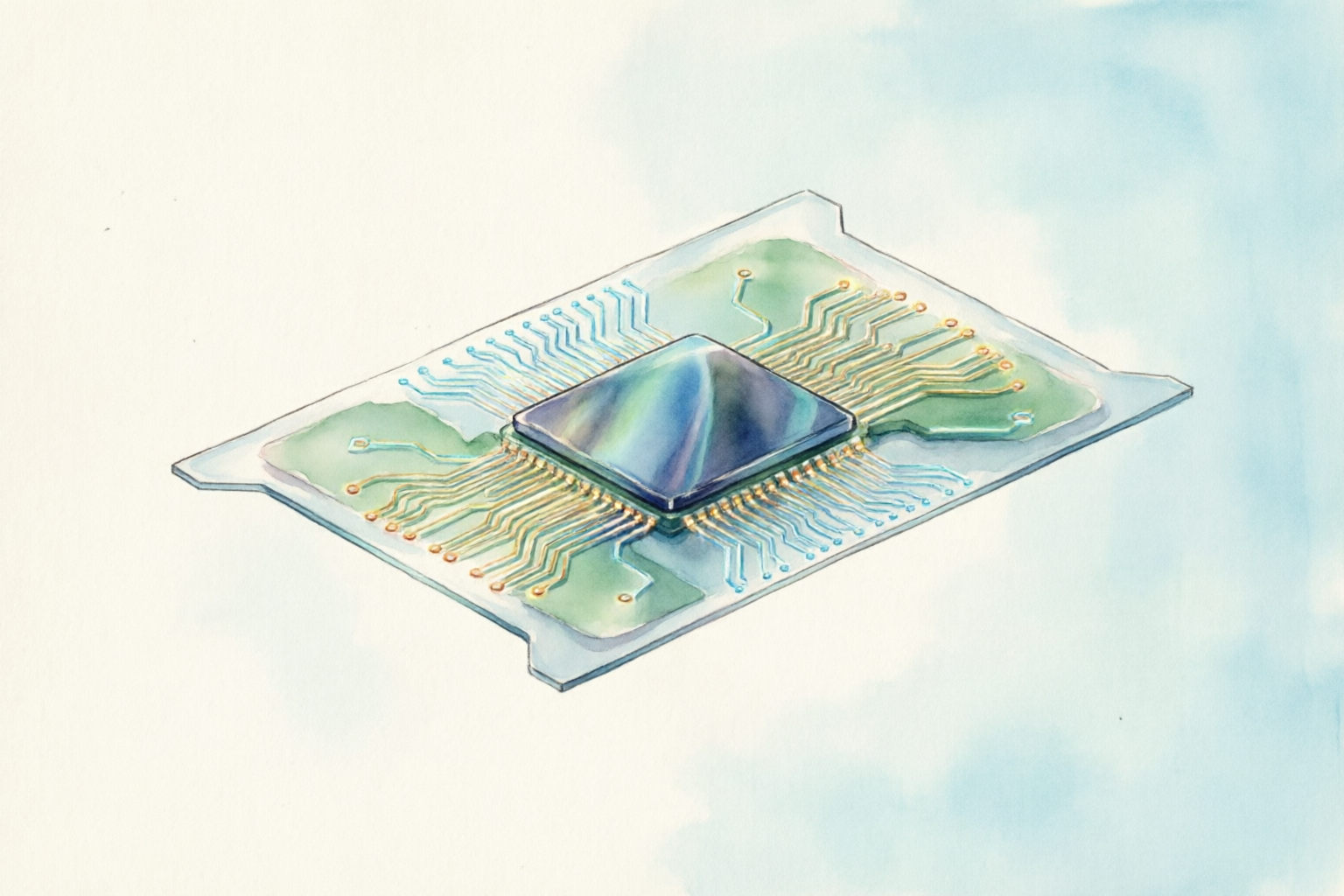
Researchers unveil neuron-mimicking nanoscale computing platform
A team at MIT has developed a nanoscale mechanical computing system that replicates neuron behavior, offering potential for energy-efficient and adaptable electronics in various fields.
Written automatically from the sources below and not individually reviewed by a human editor.
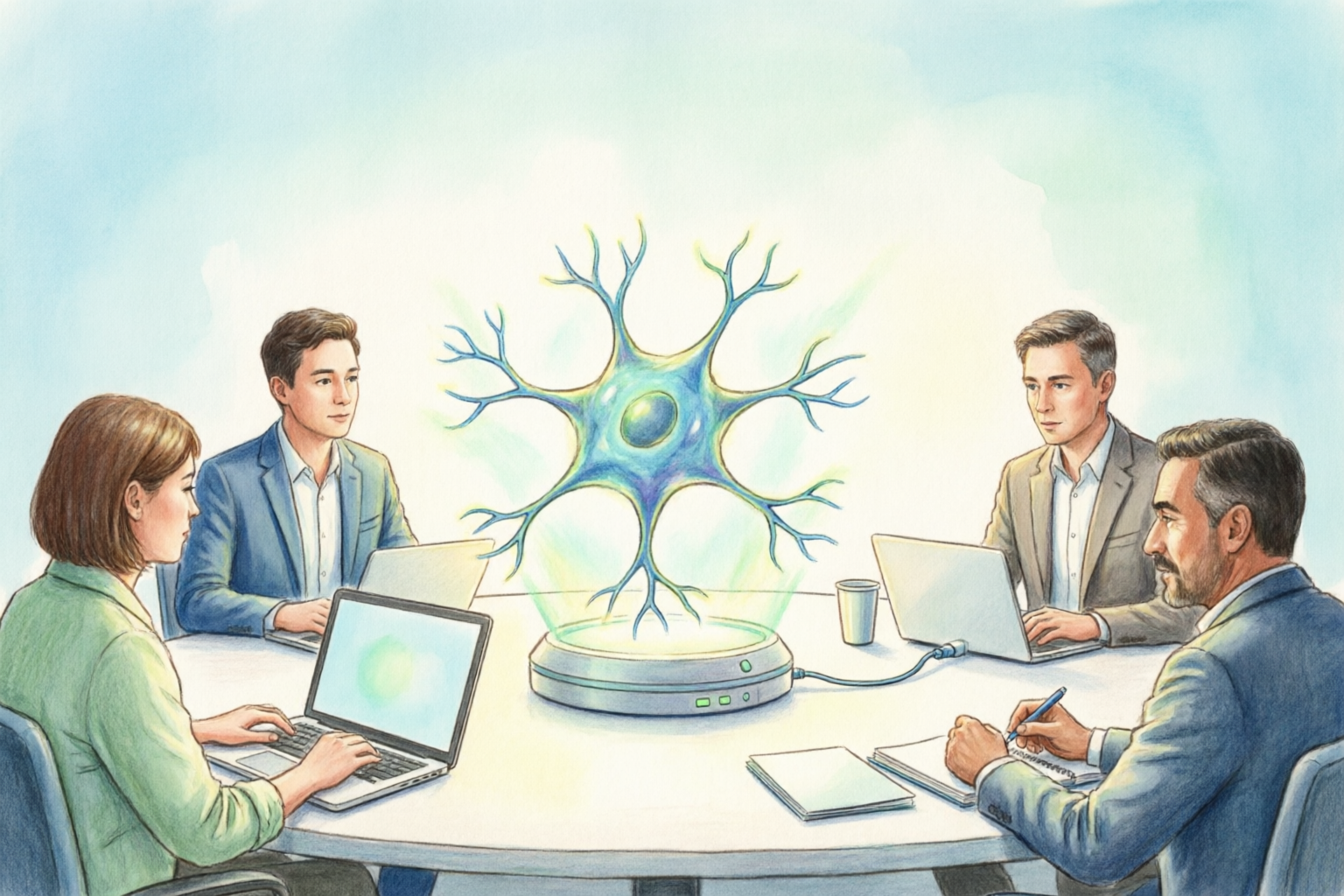
Scientists at MIT have introduced a breakthrough in computing technology by creating a nanoscale platform that mimics the behavior of neurons. This innovation relies on soft polymers and mechanical transformations, such as compression, to process and store information efficiently. By replicating how neurons accumulate voltage until a threshold is reached before resetting, the system could significantly reduce the need for multiple components in electronic devices. The approach draws inspiration from biological systems, particularly the distributed nervous system of an octopus, to enable adaptive and compact computation. Such advancements could have broad applications, including low-power edge computing, medical monitoring, environmental sensing, and the development of smart prosthetics. The research was supported by multiple funding sources and conducted using advanced facilities at MIT, marking a step forward in bioinspired electronics. This development may pave the way for more efficient and versatile technologies in the future, addressing challenges in energy consumption and device complexity.
Sources
1 sourceThe article is grounded in the independently assessed evidence listed here.
Generated from retrieved source material, checked for evidence and provenance, and released through runtime safety controls.
Read our editorial standard →Spot a problem?
Reports go to the operator review queue and do not alter the article automatically.