New method converts industrial carbon emissions into stable seawater compounds
A Brooklyn-based pilot has shown that low-grade carbon dioxide from industrial processes can be locked into seawater as harmless bicarbonate using alkaline minerals, offering a potential path for widespread adoption in heavy-polluting sectors.
Written automatically from the sources below and not individually reviewed by a human editor.
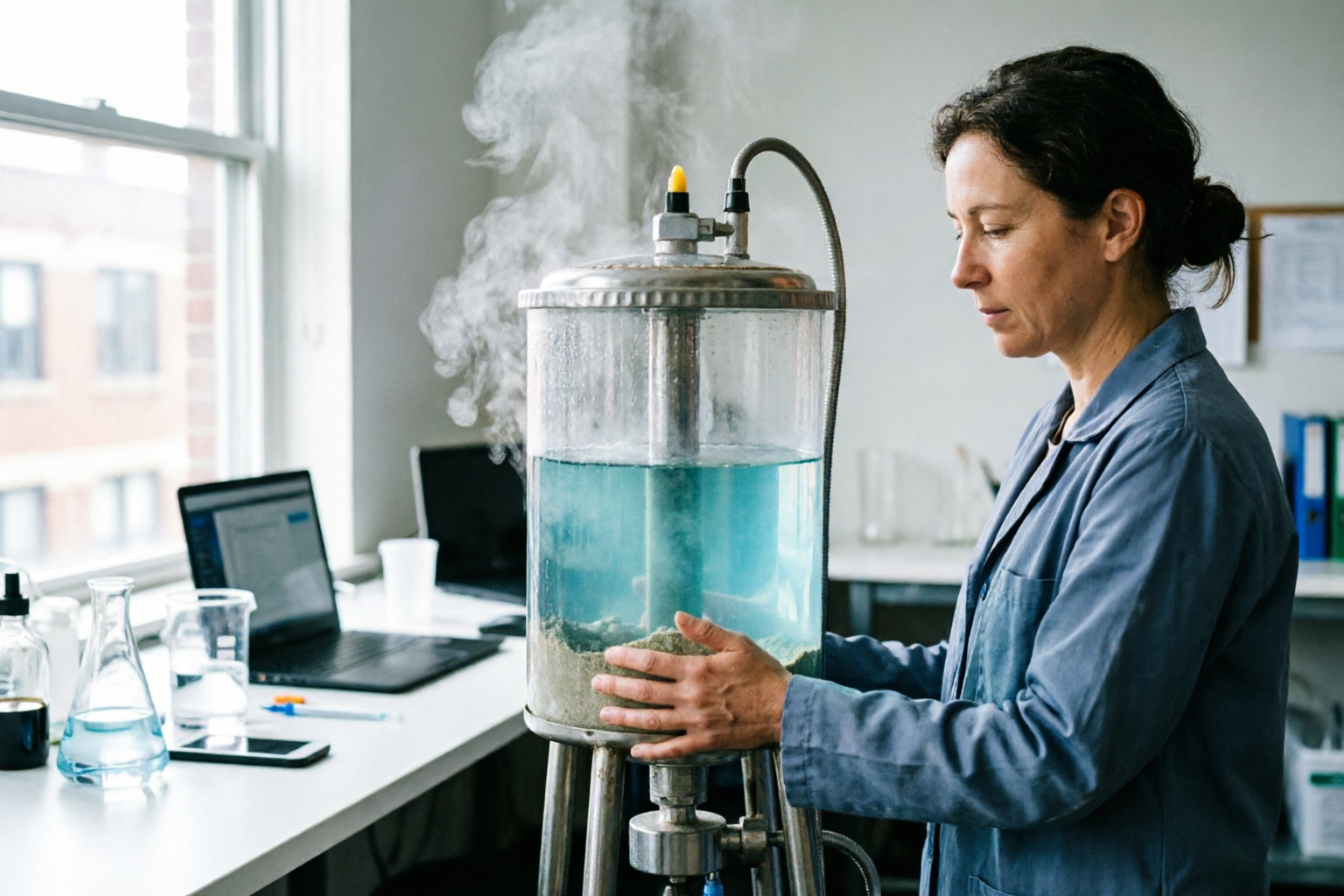
Researchers at Vycarb have demonstrated a process that transforms carbon dioxide from industrial sources into stable bicarbonate compounds dissolved in seawater. The method, tested in a Brooklyn pilot facility, successfully captures carbon even when it is mixed with other gases at concentrations typical of fossil fuel combustion and cement production. By using alkaline minerals like limestone, the system converts the gas into a form that remains stored indefinitely in coastal waters. This approach could address emissions from sectors where traditional capture methods are impractical, including wastewater treatment plants, which contribute a notable share of global greenhouse gases. The technology’s reliance on existing mineral supply chains and its compatibility with current tax incentives suggest it may scale efficiently across industrial sites near coastlines. Experts emphasize that the method’s effectiveness at low carbon purity levels marks a significant advance for decarbonization efforts in hard-to-treat industries. Further development could position it as a key tool in voluntary carbon markets and regulatory programs aimed at reducing industrial pollution.
Sources
1 sourceThe article is grounded in the independently assessed evidence listed here.
Generated from retrieved source material, checked for evidence and provenance, and released through runtime safety controls.
Read our editorial standard →Spot a problem?
Reports go to the operator review queue and do not alter the article automatically.