New funding accelerates advanced lithium extraction methods in global supply chains
A recent investment in Princeton Critical Minerals supports the expansion of its lithium production technology, now operational in commercial settings and poised for broader industry adoption.
Written automatically from the sources below and not individually reviewed by a human editor.
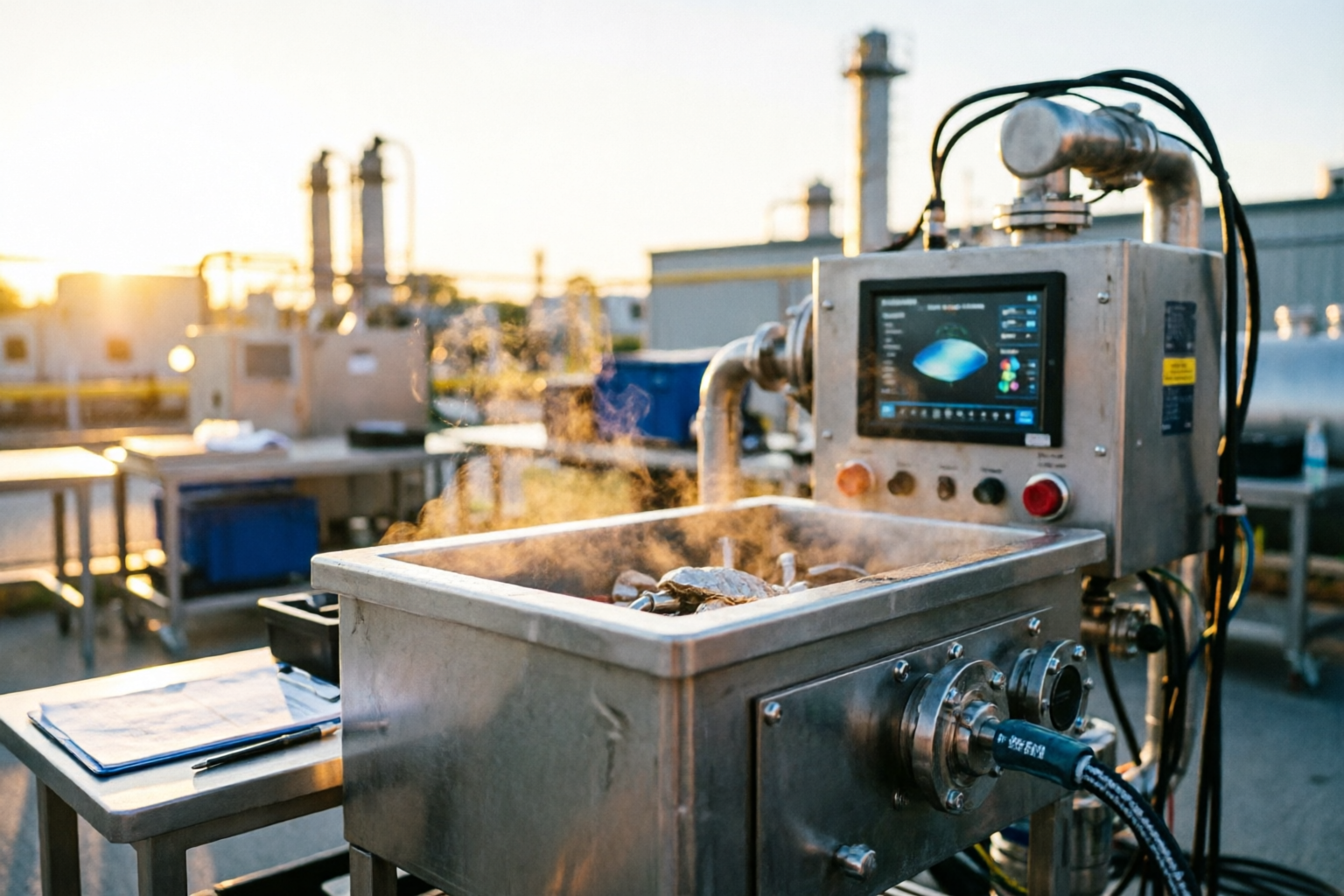
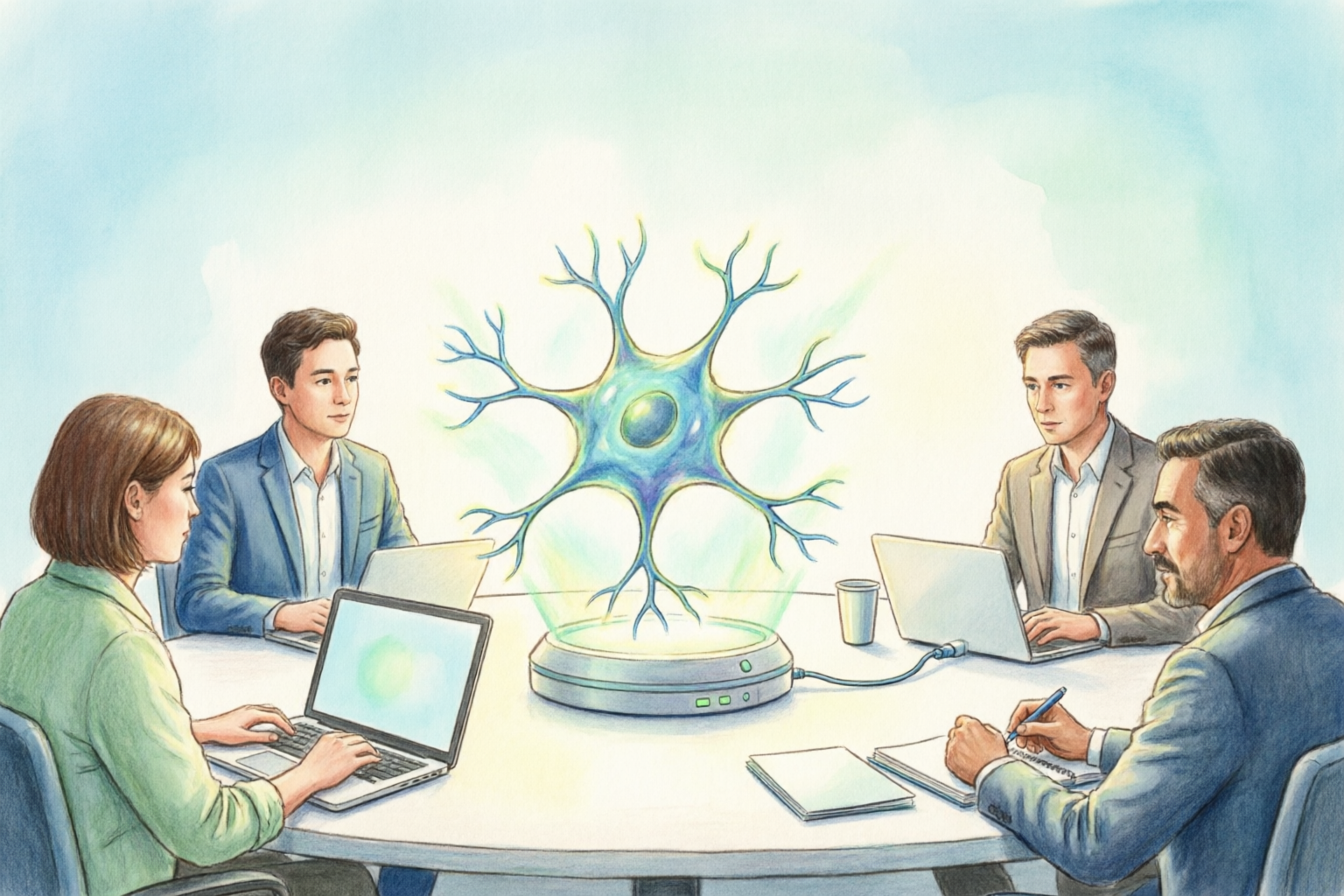
Princeton Critical Minerals has secured significant financial backing to expand its lithium extraction methods, marking a shift from experimental phases to real-world deployment. The company’s technology, which enhances evaporation processes and integrates artificial intelligence for monitoring, is now actively used in commercial operations. This development follows the transition of its Lilypad™ system from pilot testing to full-scale production in Chile, demonstrating its ability to improve efficiency and reduce resource use in lithium recovery. Additional field trials in Chile are refining techniques for evaporation and process optimization, further strengthening the approach’s potential for wider adoption. As demand for lithium grows across electric vehicles, energy storage, and emerging technologies, these advancements could help stabilize supply chains and lower production costs. The funding also supports preparations for commercial rollout in the U.S., positioning the technology as a key player in the evolving energy landscape. By streamlining operations and cutting chemical consumption, the innovations address long-standing challenges in lithium extraction, offering a more sustainable path forward for an essential mineral in the transition to cleaner energy systems.
Sources
1 sourceThe article is grounded in the independently assessed evidence listed here.
Generated from retrieved source material, checked for evidence and provenance, and released through runtime safety controls.
Read our editorial standard →Spot a problem?
Reports go to the operator review queue and do not alter the article automatically.