Interns at NASA’s Johnson Space Center advance human spaceflight programs through hands-on contributions
Recent interns at NASA’s Johnson Space Center have played direct roles in mission support, including AI tools for engineering teams, multimedia projects for lunar initiatives, and visual documentation for crew announcements.
Written automatically from the sources below and not individually reviewed by a human editor.
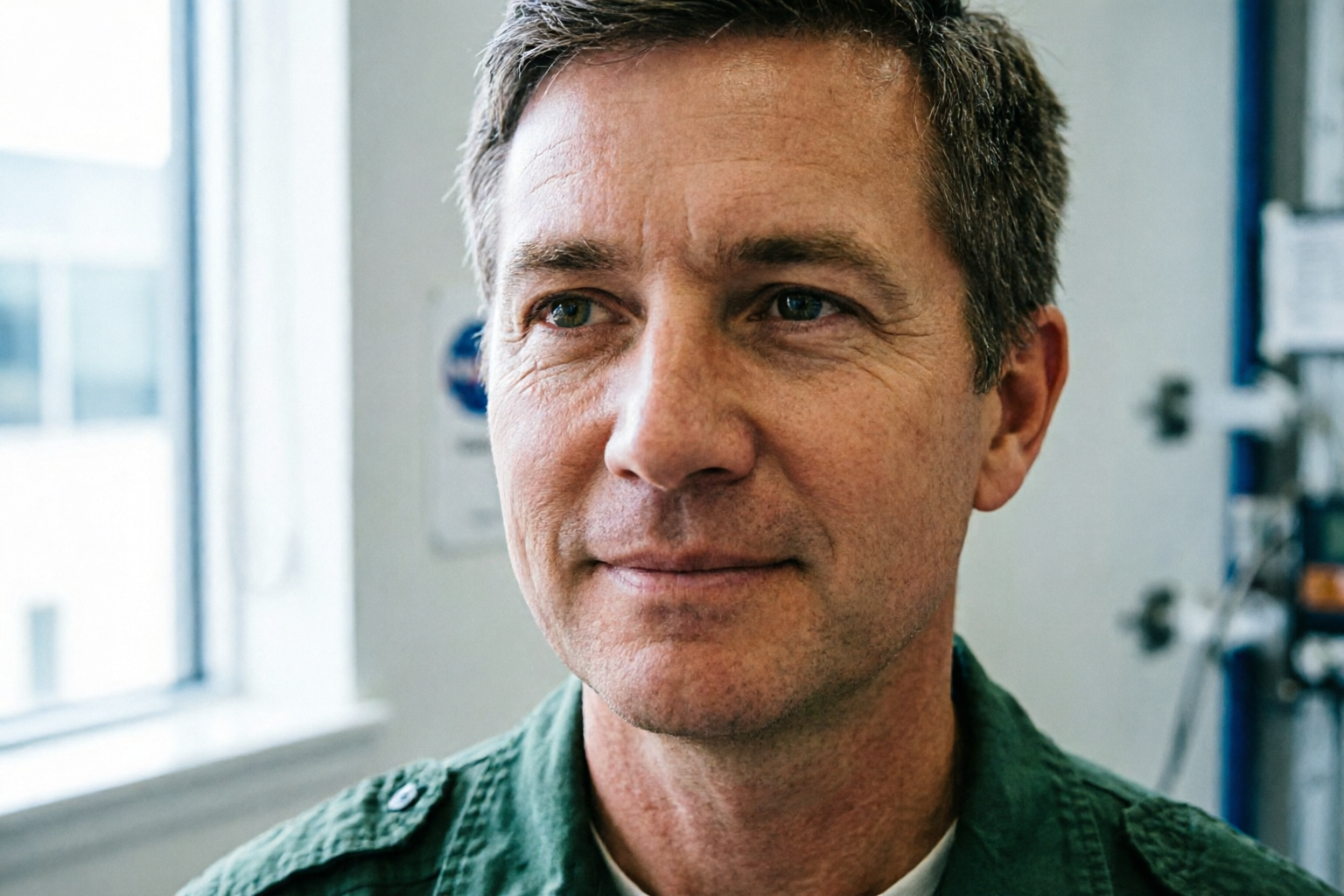
Three interns at NASA’s Johnson Space Center have made measurable contributions to ongoing space exploration efforts. One developed an AI tool that helped engineers during the Artemis II mission by organizing and summarizing technical documentation, streamlining access to critical information. Another provided photographic coverage for the Artemis III crew announcement, with their work featured in public reports about the milestone. A third supported outreach efforts by engaging with diverse audiences at public events, fostering broader interest in space programs. Their involvement spans technical development, mission documentation, and public communication, reflecting the center’s commitment to integrating new talent into active projects. These contributions highlight how early-career professionals can directly influence real-world spaceflight operations and support long-term initiatives like lunar base development. The interns’ work demonstrates the value of hands-on experience in bridging research and operational needs within NASA’s human spaceflight programs. Their efforts also underscore the importance of cross-disciplinary collaboration in advancing both technical and outreach goals.
Sources
1 sourceThe article is grounded in the independently assessed evidence listed here.
Generated from retrieved source material, checked for evidence and provenance, and released through runtime safety controls.
Read our editorial standard →Spot a problem?
Reports go to the operator review queue and do not alter the article automatically.