How seals and their relatives adapted to hear both on land and underwater
Researchers uncover the ancient origins of a unique biological trait in pinnipeds, revealing how their hearing evolved to function in two distinct environments.
Written automatically from the sources below and not individually reviewed by a human editor.
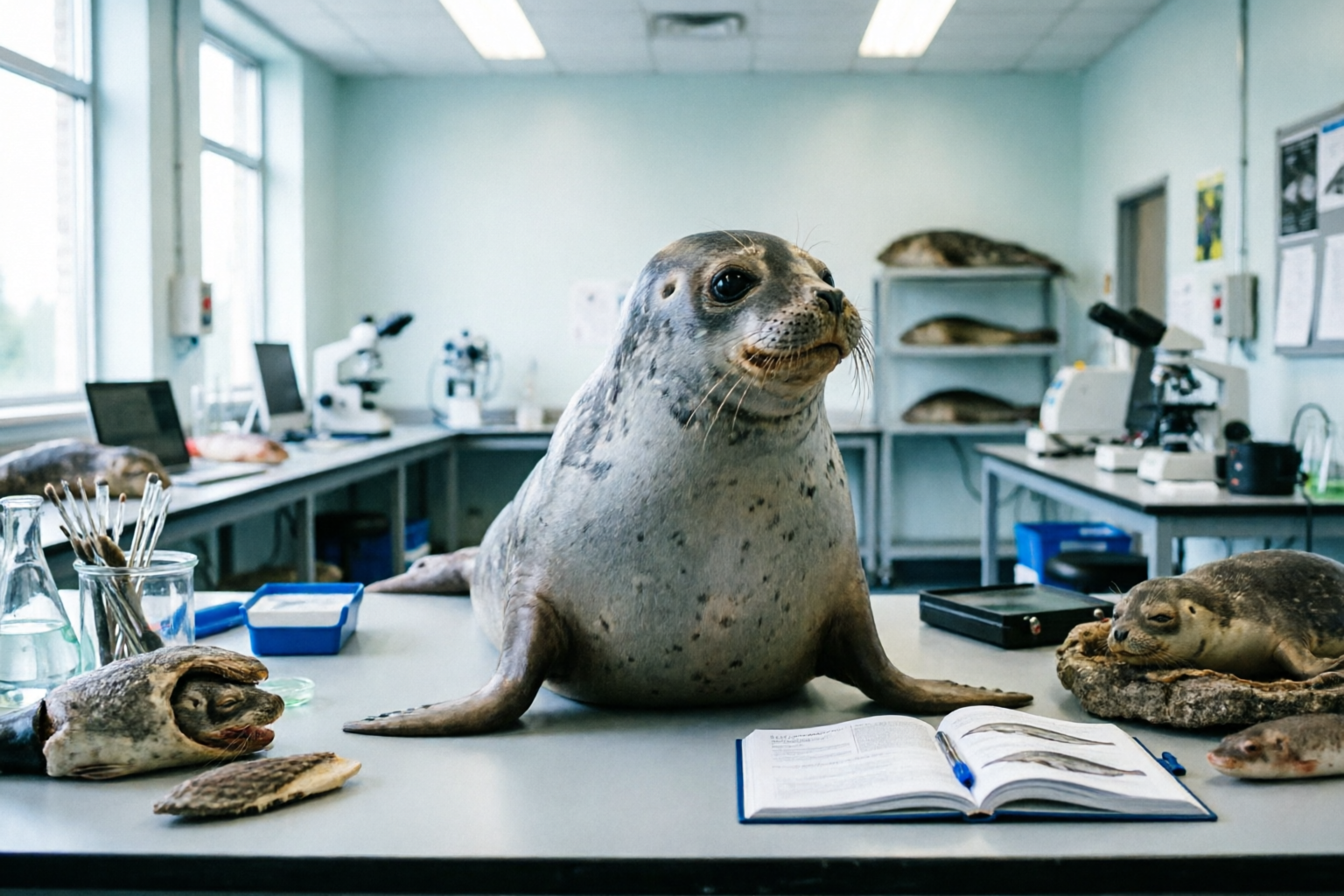
A new study has traced the evolutionary roots of a remarkable trait found only in seals, sea lions, and walruses: the ability to hear effectively both in air and underwater. Unlike other mammals, these species possess a specialized auditory system that allows them to detect sounds across vastly different mediums. The research, based on detailed scans of ear structures from a wide range of specimens—including both living and extinct relatives—suggests this adaptation emerged millions of years ago as these animals ventured into deeper ocean habitats. Their ears contain a distinctive spongy tissue that fills with blood when submerged, enabling sound waves to travel efficiently while also balancing pressure changes. Initially, this system may have amplified underwater sounds too strongly, but over time, their middle ears refined this process to strike a balance. The findings highlight how evolutionary pressures shaped a physiological innovation that remains unmatched in the mammalian world, offering insights into how life adapts to shifting environmental demands. This discovery not only deepens our understanding of pinniped biology but also sheds light on the broader mechanisms of sensory evolution in challenging environments.
Sources
1 sourceThe article is grounded in the independently assessed evidence listed here.
Generated from retrieved source material, checked for evidence and provenance, and released through runtime safety controls.
Read our editorial standard →Spot a problem?
Reports go to the operator review queue and do not alter the article automatically.