Gut-derived compound strengthens poultry immunity against infections
Researchers have identified a natural molecule that enhances chicken immune cells to combat bacterial threats, potentially reducing antibiotic use in farming.
Written automatically from the sources below and not individually reviewed by a human editor.
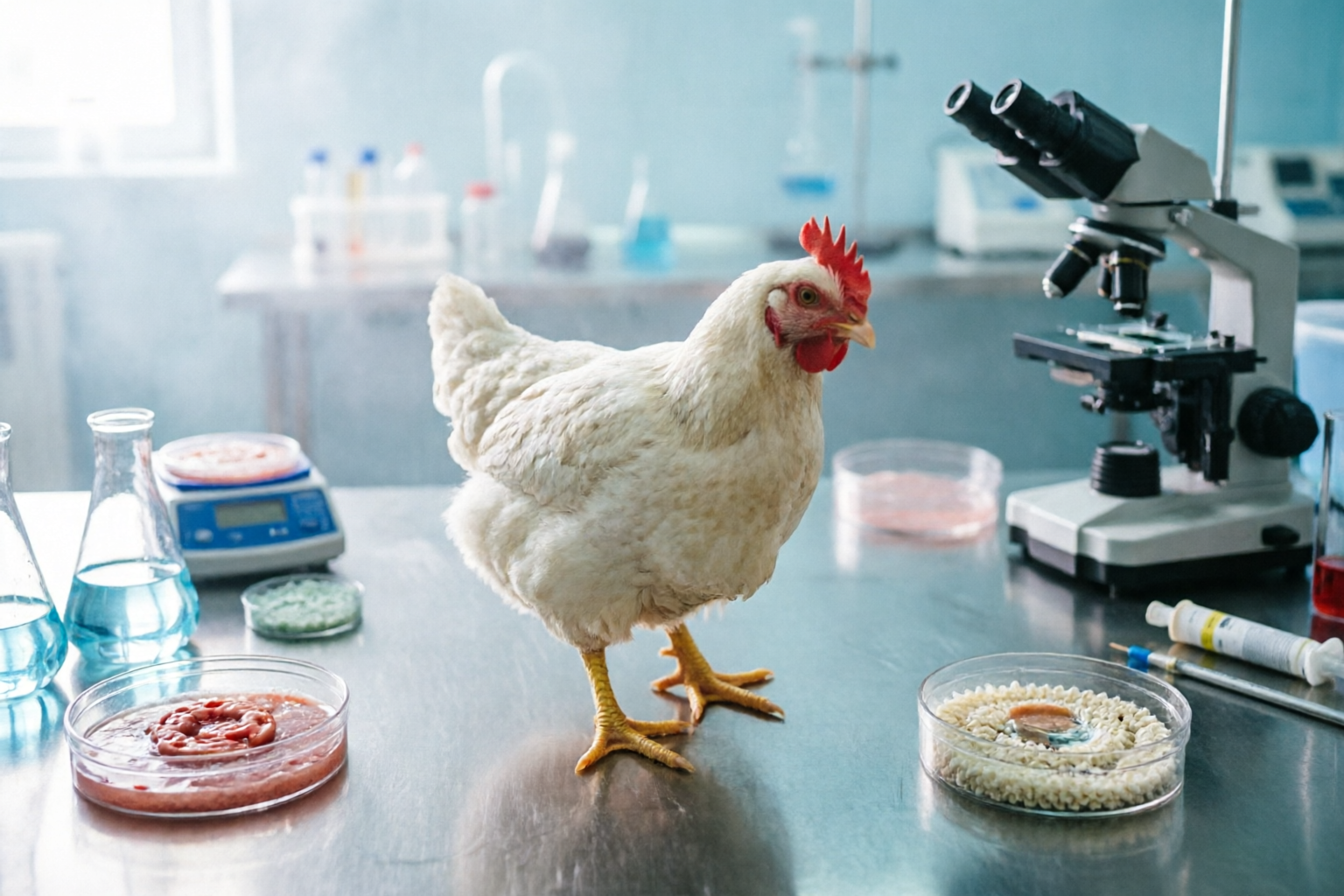
A compound found in the gut has been shown to modify chicken immune cells, improving their ability to resist common bacterial infections. This discovery, made by a team including the University of Bristol, suggests that introducing sodium butyrate during early immune development could bolster defenses without triggering harmful inflammation. The compound appears to work by activating natural cellular processes that target pathogens, offering a promising alternative to antibiotics in poultry farming. With antimicrobial resistance posing risks to both livestock and human health, this approach could support sustainable food production while minimizing reliance on conventional treatments. The findings were published in a peer-reviewed journal and funded by agricultural research organizations, underscoring its potential impact on global food security. Further studies will be needed to explore practical applications in commercial settings, but the early results highlight a potential shift in how poultry diseases are managed in the future. The research also emphasizes the importance of targeting immune responses at critical developmental stages to achieve lasting effects.
Sources
1 sourceThe article is grounded in the independently assessed evidence listed here.
Generated from retrieved source material, checked for evidence and provenance, and released through runtime safety controls.
Read our editorial standard →Spot a problem?
Reports go to the operator review queue and do not alter the article automatically.