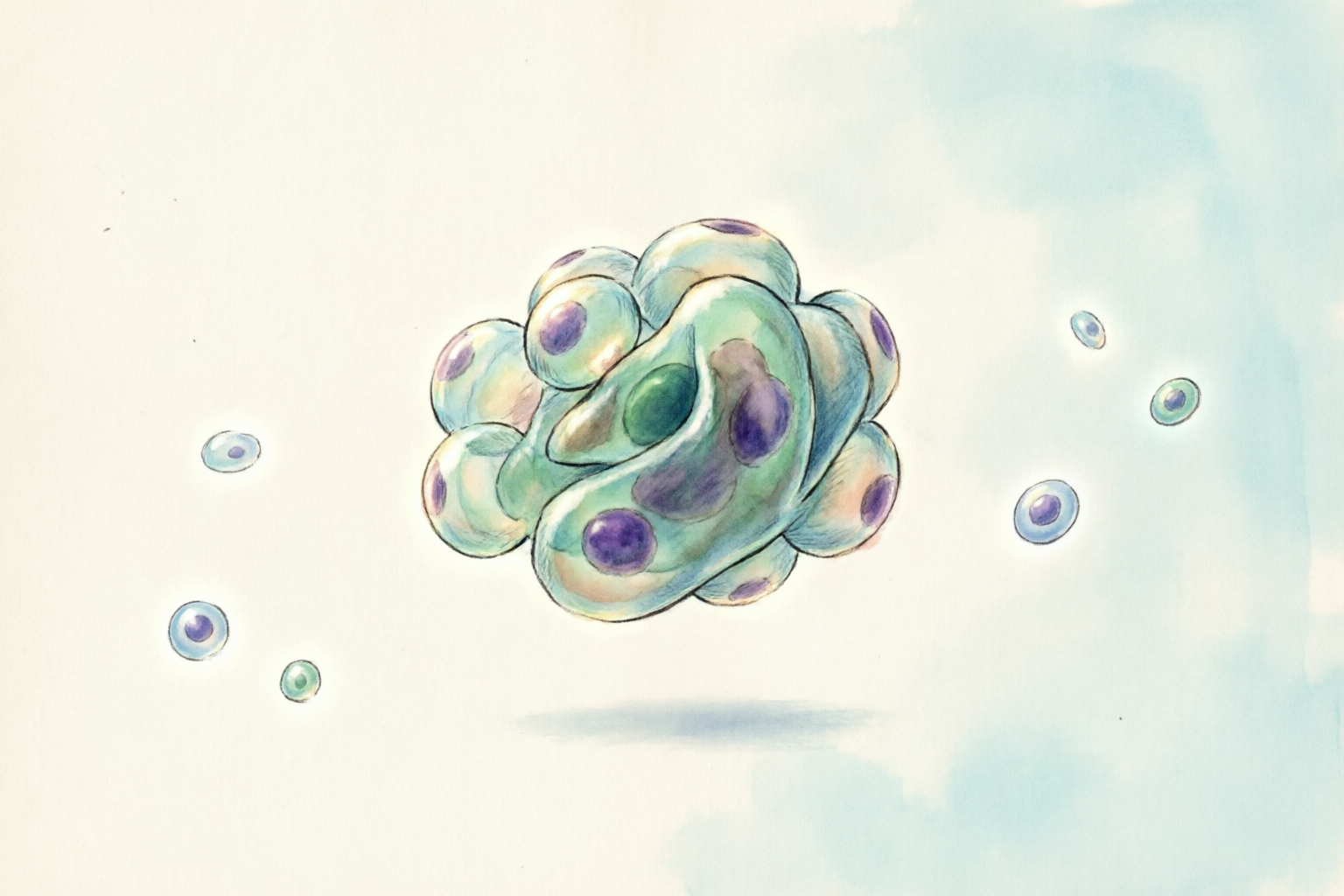
Cambridge initiative merges human models and AI to redefine drug discovery
A new research hub in Cambridge will combine advanced human-based systems with artificial intelligence to streamline the development of new treatments and minimize reliance on animal testing.
Written automatically from the sources below and not individually reviewed by a human editor.
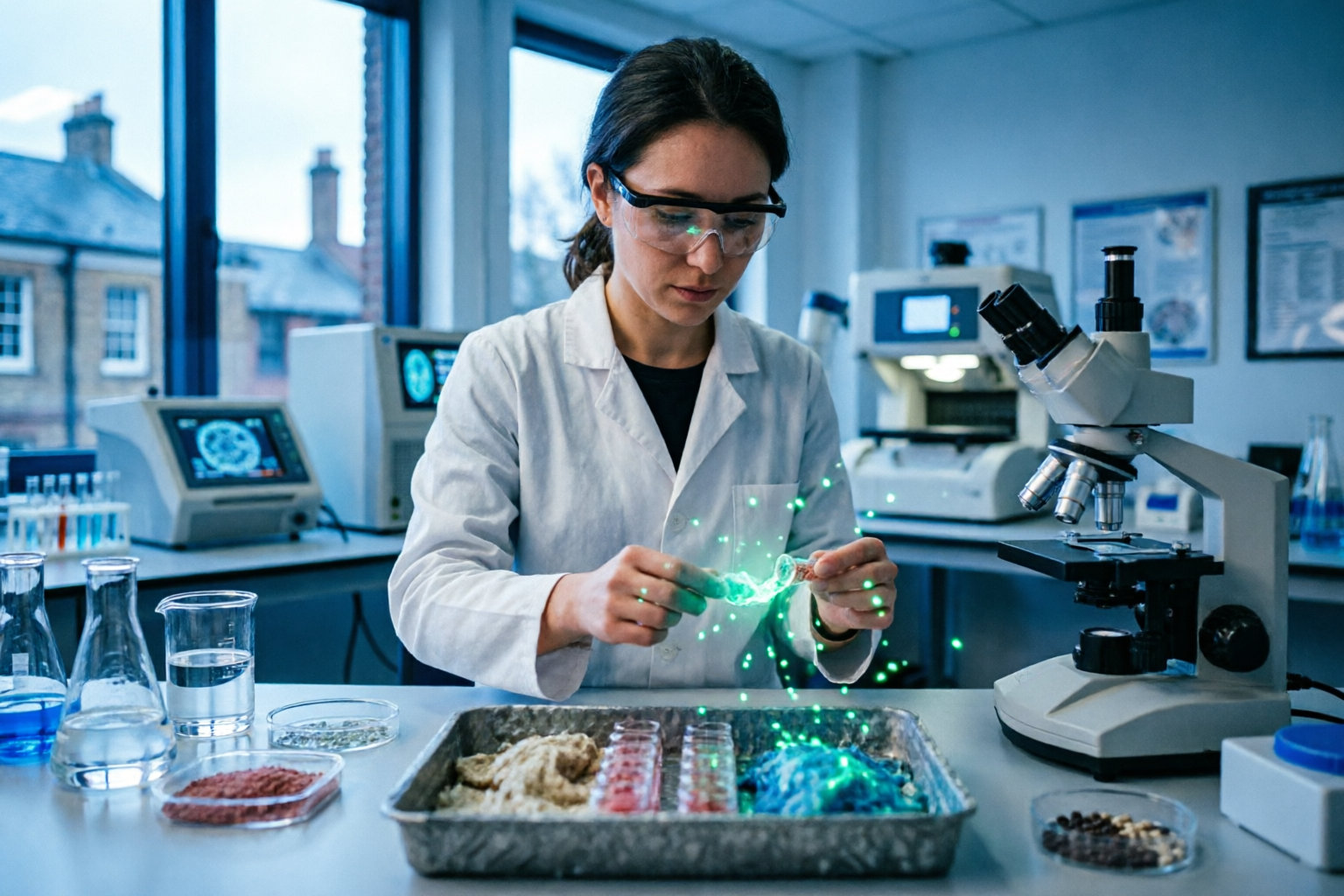
The University of Cambridge has launched a major research initiative designed to revolutionize how new medicines are developed. The hub, established in partnership with the Medical Research Council, will integrate cutting-edge human tissue models—such as organoids—with artificial intelligence and bioengineering techniques. This approach aims to create more accurate and efficient methods for testing potential therapies before human trials, reducing the need for animal-based experiments. Collaborators include leading institutions like the Wellcome Sanger Institute and the Cambridge University Hospitals, ensuring a multidisciplinary effort to advance therapeutic research. By leveraging these technologies, the hub seeks to accelerate the discovery of effective treatments while improving the precision of personalized medicine. The initiative is based at the Jeffrey Cheah Biomedical Centre, positioning it at the forefront of global biomedical innovation. This shift could fundamentally alter the drug development landscape, offering faster and more reliable pathways to bringing new treatments to patients.
Sources
1 sourceThe article is grounded in the independently assessed evidence listed here.
Generated from retrieved source material, checked for evidence and provenance, and released through runtime safety controls.
Read our editorial standard →Spot a problem?
Reports go to the operator review queue and do not alter the article automatically.