Breakthrough extends blue quantum dot LED durability for next-gen displays
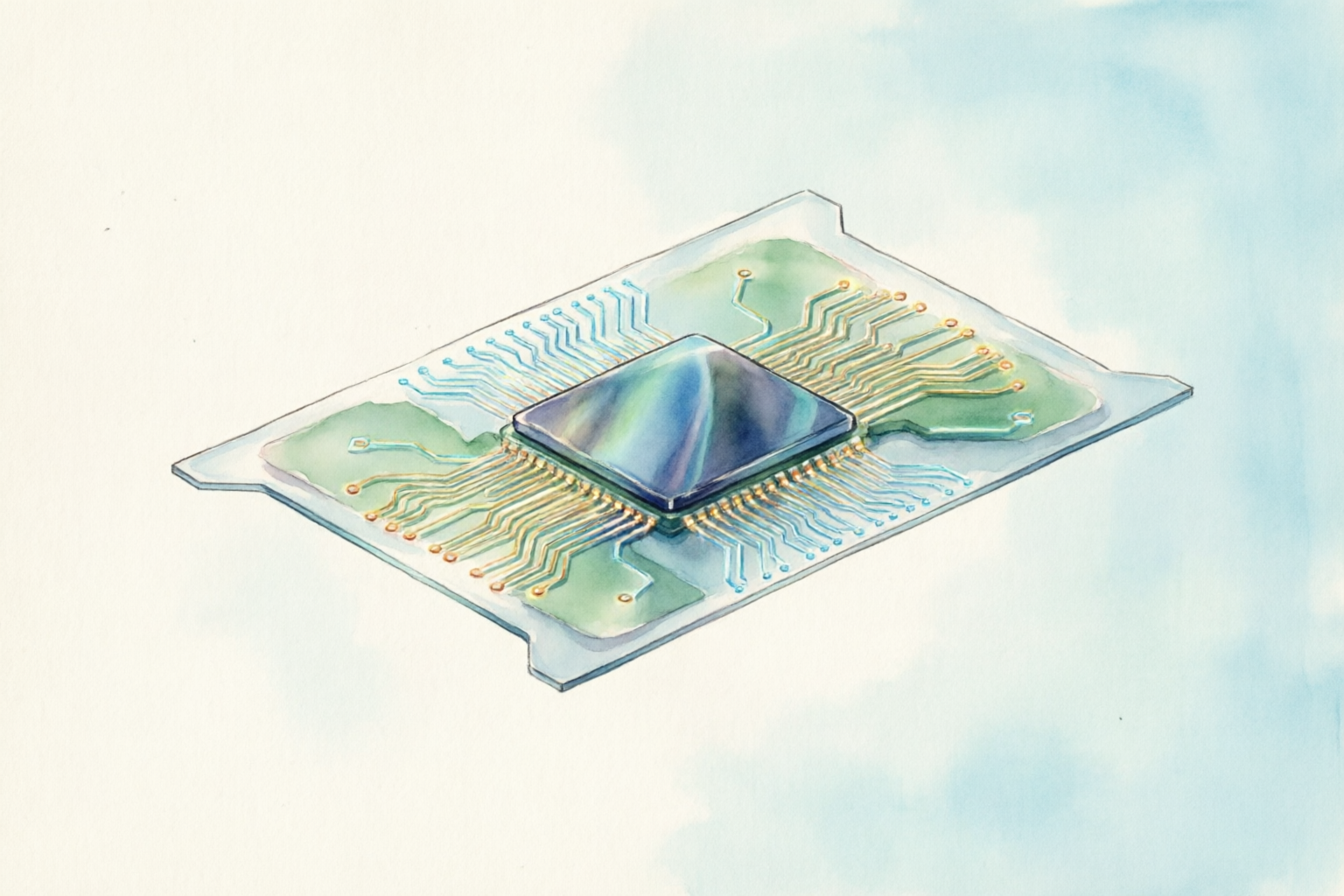
Researchers have identified a resin-based solution to significantly prolong the operational life of blue quantum dot LEDs, overcoming a longstanding obstacle to their use in energy-efficient screens.
Written automatically from the sources below and not individually reviewed by a human editor.
A collaboration between MIT and Samsung SAIT has uncovered a method to dramatically enhance the longevity of blue quantum dot LEDs, a critical advancement for display technology. These components have long lagged behind their red and green counterparts in stability, limiting their adoption in high-performance screens. The team found that encapsulating the devices in a specialized resin prevents the chemical reactions that degrade their structure over time. By addressing the root causes of failure—such as material thinning and structural coarsening—the approach could make quantum dot displays more practical for commercial use. The findings, published in *Science Advances*, suggest this technique may also improve efficiency, paving the way for brighter, more sustainable visual technologies. Further refinements to the encapsulation process are expected to expand these benefits across additional applications, including lighting systems. The work was supported by Samsung’s advanced research initiatives and conducted at MIT’s specialized nanotechnology facilities, underscoring the potential for industry-academia partnerships to drive innovation in energy-saving technologies.
Sources
1 sourceThe article is grounded in the independently assessed evidence listed here.
Generated from retrieved source material, checked for evidence and provenance, and released through runtime safety controls.
Read our editorial standard →Spot a problem?
Reports go to the operator review queue and do not alter the article automatically.