Sahel’s drying trend reverses as water tables and wildlife recover
A combination of improved rainfall patterns, sustainable land management, and reduced groundwater depletion has led to rising water levels and a return of native species across the Sahel region.
Written automatically from the sources below and not individually reviewed by a human editor.
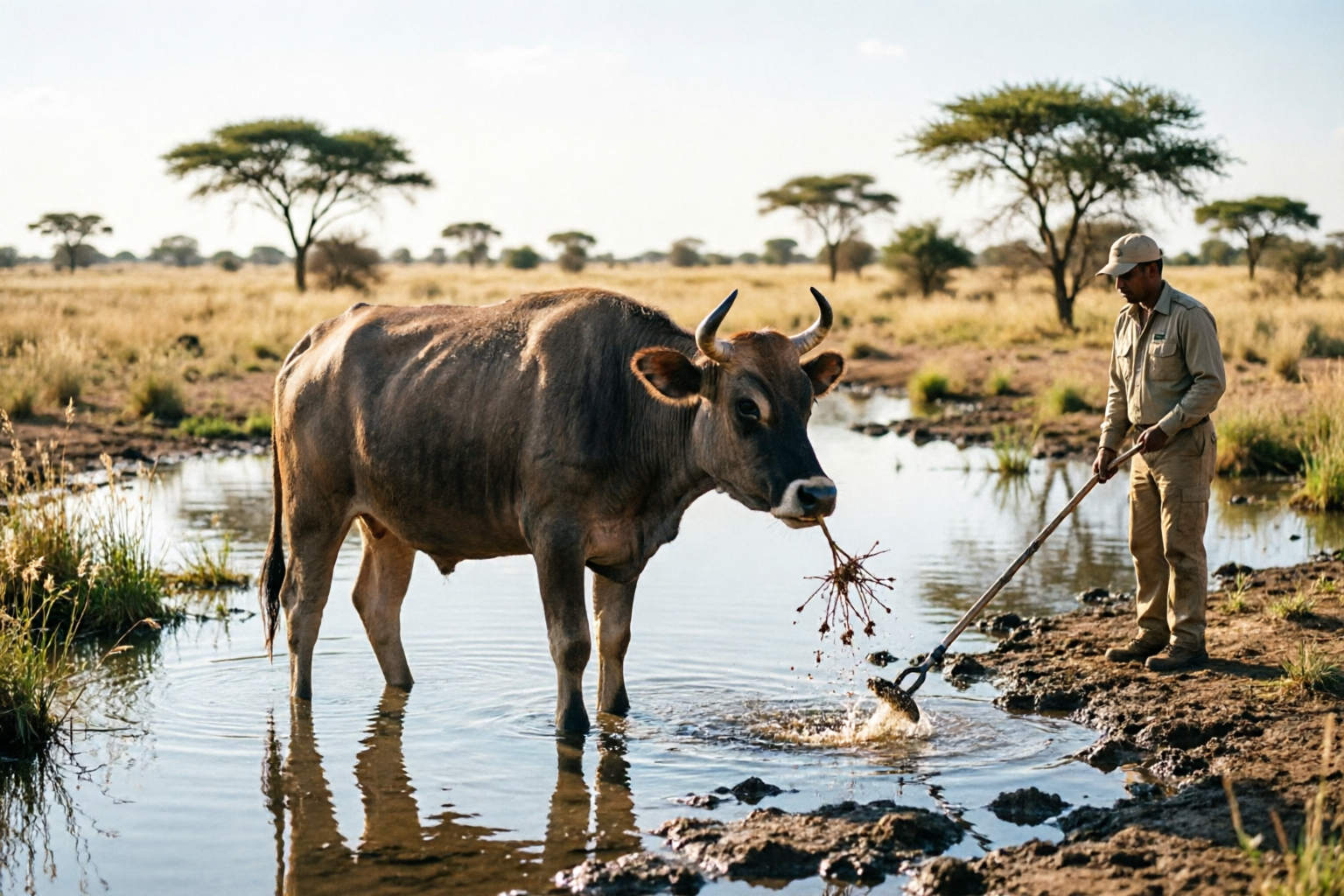
Areas once plagued by persistent drought are now showing signs of ecological renewal in the Sahel. Observations from space indicate that water stored beneath the land surface has increased significantly over recent years, a shift attributed to stronger seasonal rains and deliberate efforts to conserve moisture. Farmers and conservationists have adopted methods that allow rainwater to seep into underground reservoirs, replenishing supplies that had dwindled for decades. This approach has not only stabilized food production but also created conditions for wildlife to thrive once again. Species such as the scimitar-horned oryx, which had nearly vanished, are now being spotted in greater numbers, alongside other animals that depend on healthy ecosystems. The revival extends to critical habitats like Lake Chad and protected reserves, where water levels have risen enough to support both plant and animal life. While challenges remain, the trend suggests that coordinated action can help restore balance to regions long affected by climate stress. The changes reflect broader progress in managing water resources and protecting biodiversity in one of the world’s most vulnerable landscapes.
Sources
1 sourceThe article is grounded in the independently assessed evidence listed here.
Generated from retrieved source material, checked for evidence and provenance, and released through runtime safety controls.
Read our editorial standard →Spot a problem?
Reports go to the operator review queue and do not alter the article automatically.