Restored wetlands in Somerset prove nature’s role in weathering climate extremes
A major rewilding project in Somerset has demonstrated how reconnecting rivers and restoring wetlands can reduce flood risks and sustain water supplies during droughts, offering a model for climate adaptation.
Written automatically from the sources below and not individually reviewed by a human editor.
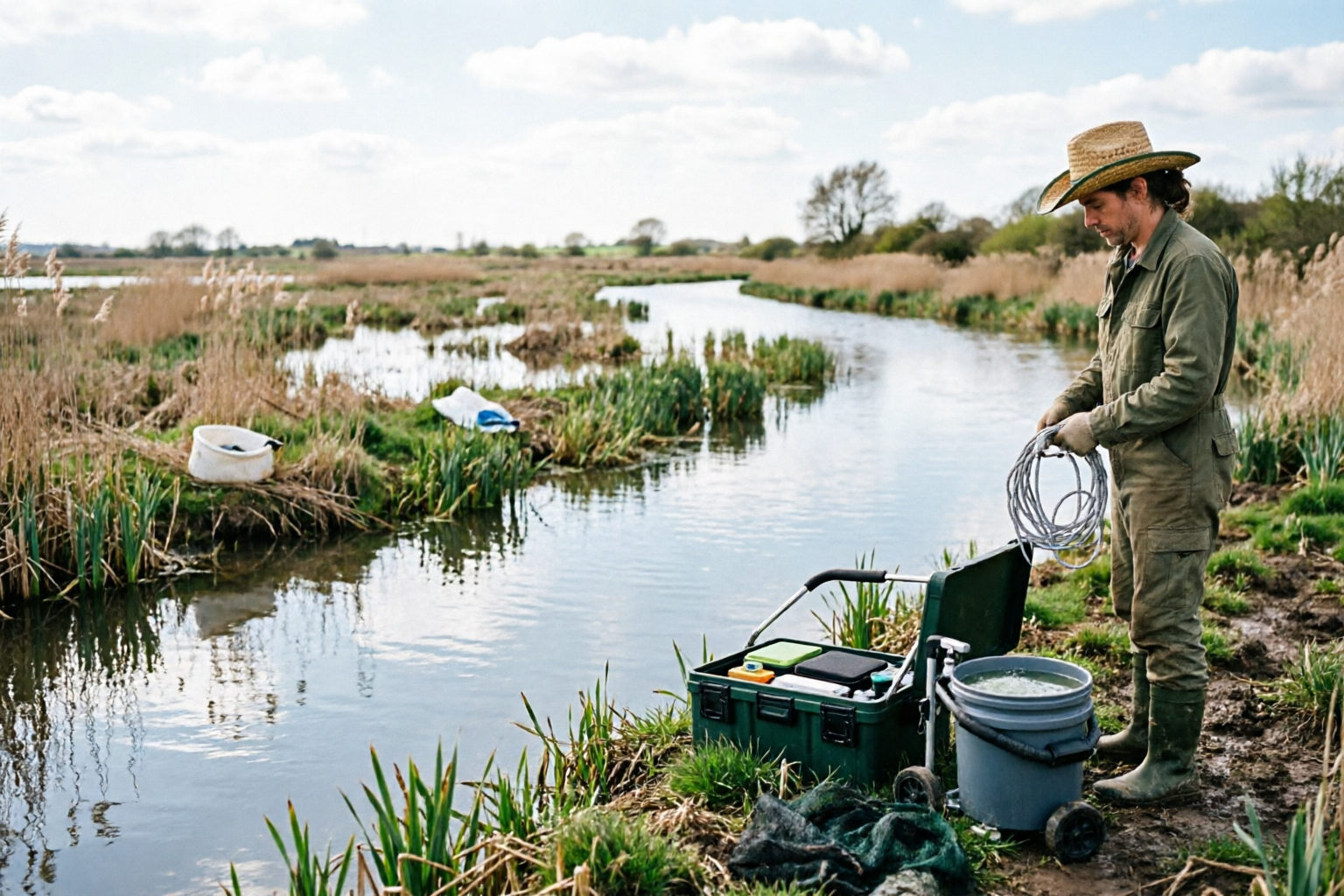
Land managers in Somerset have shown how returning drained areas to their natural state can help communities withstand severe weather. By allowing rivers to meander freely and wetlands to absorb excess water, the Holnicote estate has created landscapes that retain moisture during dry spells and slow the flow of heavy rainfall. This approach has already shielded nearby villages from sudden surges while keeping soil damp when rainfall falters. Experts argue that treating ecosystems as part of infrastructure—not just as open space—could provide a broader solution to the growing threats of both flooding and water shortages. The success of this project has prompted calls for greater public investment in similar nature-based strategies across the UK. Such methods could offer a more sustainable alternative to traditional engineering alone, benefiting both wildlife and human settlements alike. The findings suggest that restoring degraded land may deliver resilience where conventional measures fall short, particularly in regions vulnerable to climate shifts. Local officials and conservationists now view these restored areas as a living demonstration of how nature itself can help mitigate the worst impacts of extreme conditions.
Sources
1 sourceThe article is grounded in the independently assessed evidence listed here.
Generated from retrieved source material, checked for evidence and provenance, and released through runtime safety controls.
Read our editorial standard →Spot a problem?
Reports go to the operator review queue and do not alter the article automatically.