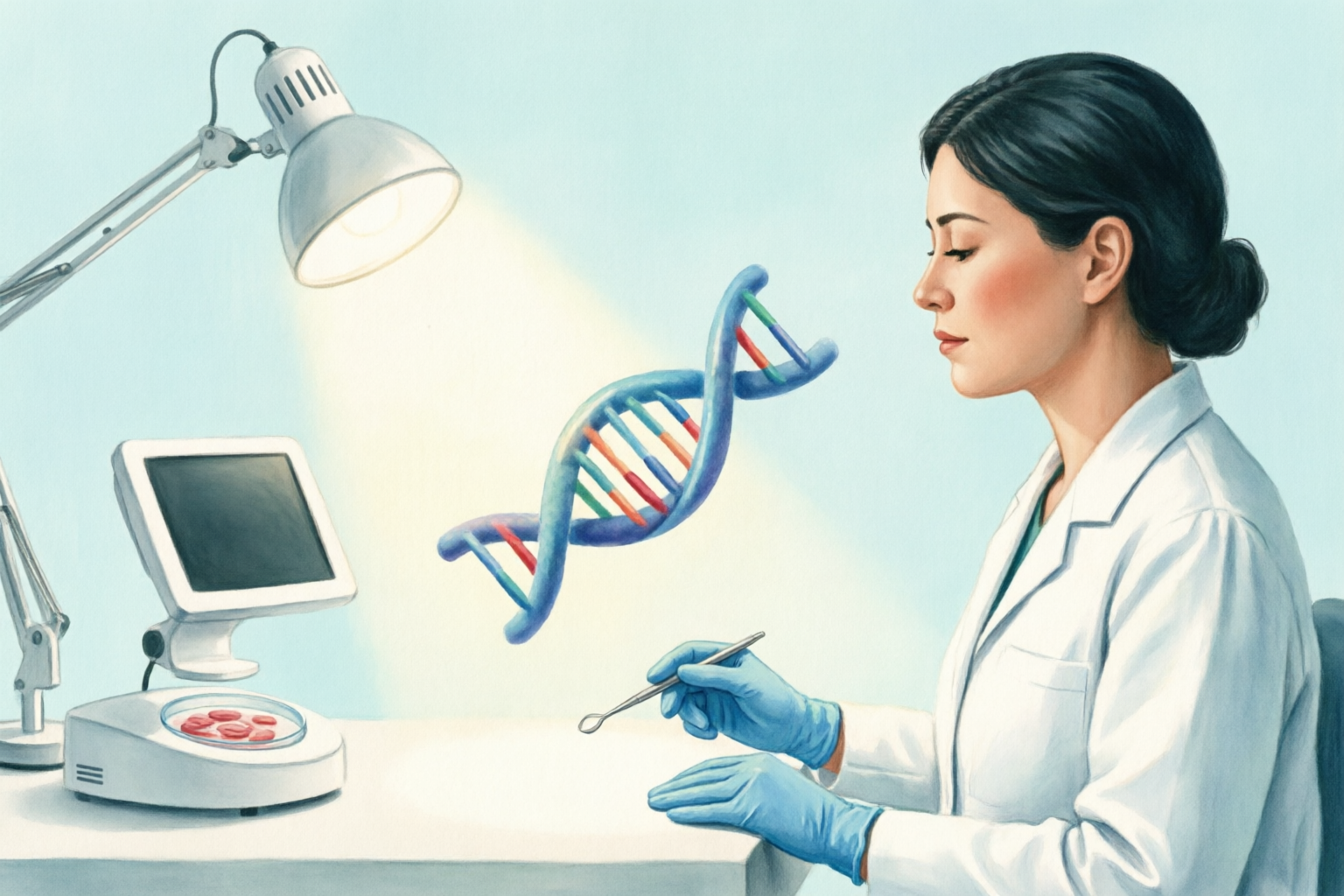
Researchers identify diagnostic approach and treatment for aggressive canine oral tumors
A collaborative study has uncovered a method to differentiate a severe form of canine oral cancer and pinpoint an existing medication that may curb its progression.
Written automatically from the sources below and not individually reviewed by a human editor.
Scientists from Cornell University and the Fred Hutchinson Cancer Center have created a diagnostic method to distinguish a particularly invasive type of canine oral tumor from other forms. Their work also highlights the potential of an already approved drug to slow the growth of these tumors, offering a new avenue for treatment. The findings stem from advanced genetic analysis and experimental testing, combining expertise from veterinary medicine and biomedical engineering. Support for the research came from multiple foundations and Cornell’s dedicated canine health center, underscoring its significance for both veterinary and human cancer studies. While further validation is needed, the discovery could improve outcomes for dogs affected by this aggressive condition and inform broader cancer research efforts. The study’s interdisciplinary approach reflects growing recognition of how animal health research can contribute to medical advancements across species. For pet owners and veterinarians, this progress represents a step toward more targeted and effective therapies for a disease that has historically been difficult to manage.
Sources
1 sourceThe article is grounded in the independently assessed evidence listed here.
Generated from retrieved source material, checked for evidence and provenance, and released through runtime safety controls.
Read our editorial standard →Spot a problem?
Reports go to the operator review queue and do not alter the article automatically.