Research reveals hidden genetic traces in healthy tissues of cancer patients
A new study identifies unexpected genetic changes in organs unaffected by cancer, offering insights into how treatments may influence the body beyond tumors.
Written automatically from the sources below and not individually reviewed by a human editor.
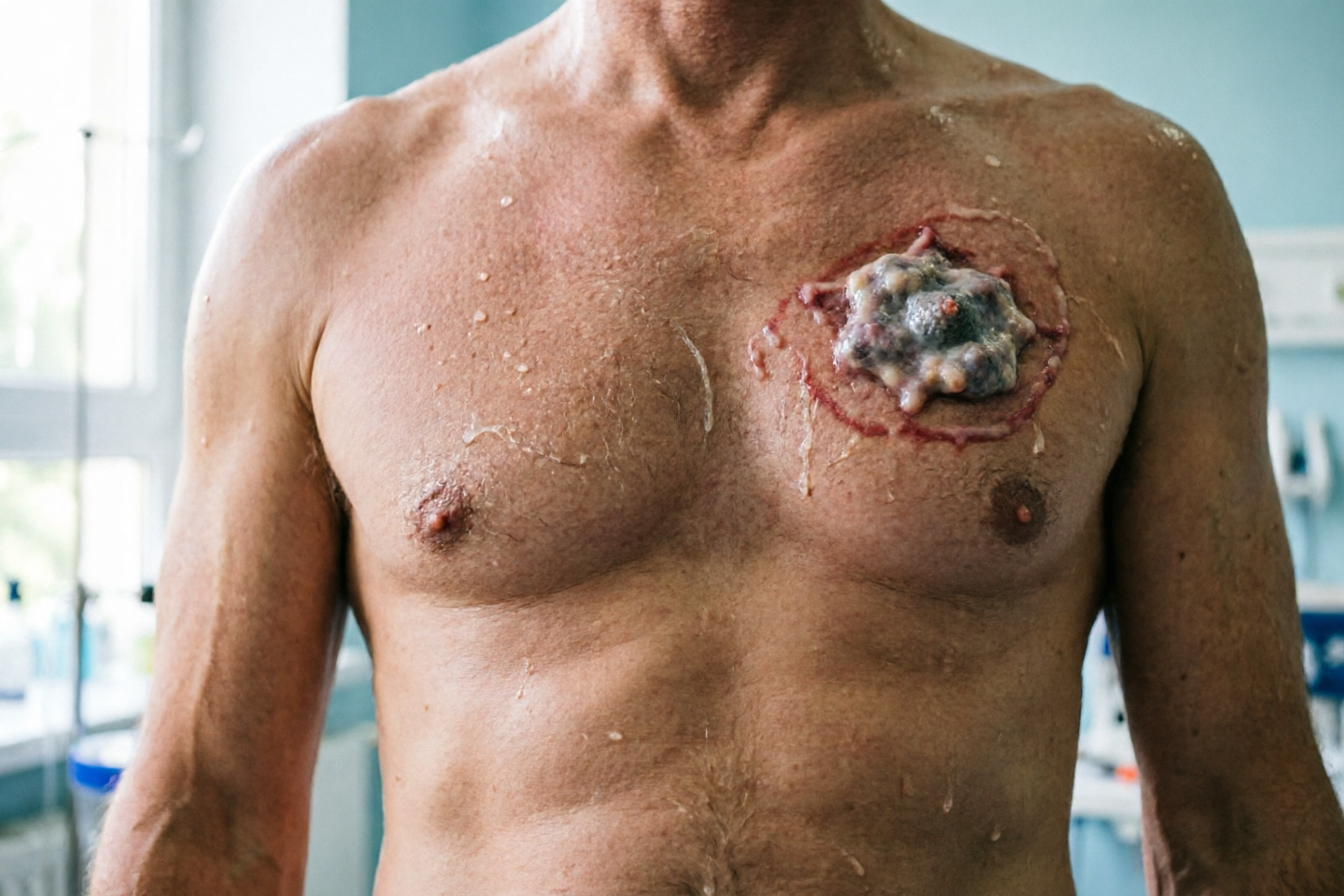
Scientists at the Francis Crick Institute have uncovered genetic alterations in healthy organs of individuals with advanced cancer, suggesting that some therapies may leave lasting marks on tissues beyond the disease itself. The PEACE study examined samples from participants undergoing various treatments, including approaches not previously linked to direct DNA damage. Researchers found these changes in organs such as the spleen, liver, and lungs, raising questions about why certain therapies succeed or fail in different patients. The findings could reshape understanding of how cancer treatments interact with the body, potentially guiding more precise care in the future. This work builds on earlier observations, including contributions from individuals like Edward, whose participation helped clarify the effects of advanced therapies like CAR-T and BiTE. While the study highlights new patterns, it also underscores the need for further investigation to determine whether these genetic shifts influence long-term health or treatment outcomes.
Sources
1 sourceThe article is grounded in the independently assessed evidence listed here.
Generated from retrieved source material, checked for evidence and provenance, and released through runtime safety controls.
Read our editorial standard →Spot a problem?
Reports go to the operator review queue and do not alter the article automatically.