New study clarifies how brain regions influence obesity drug effects
Researchers at the University of Cambridge have identified distinct brain areas that explain why targeting the same receptor can lead to weight loss through different mechanisms, advancing potential treatments for obesity.
Written automatically from the sources below and not individually reviewed by a human editor.
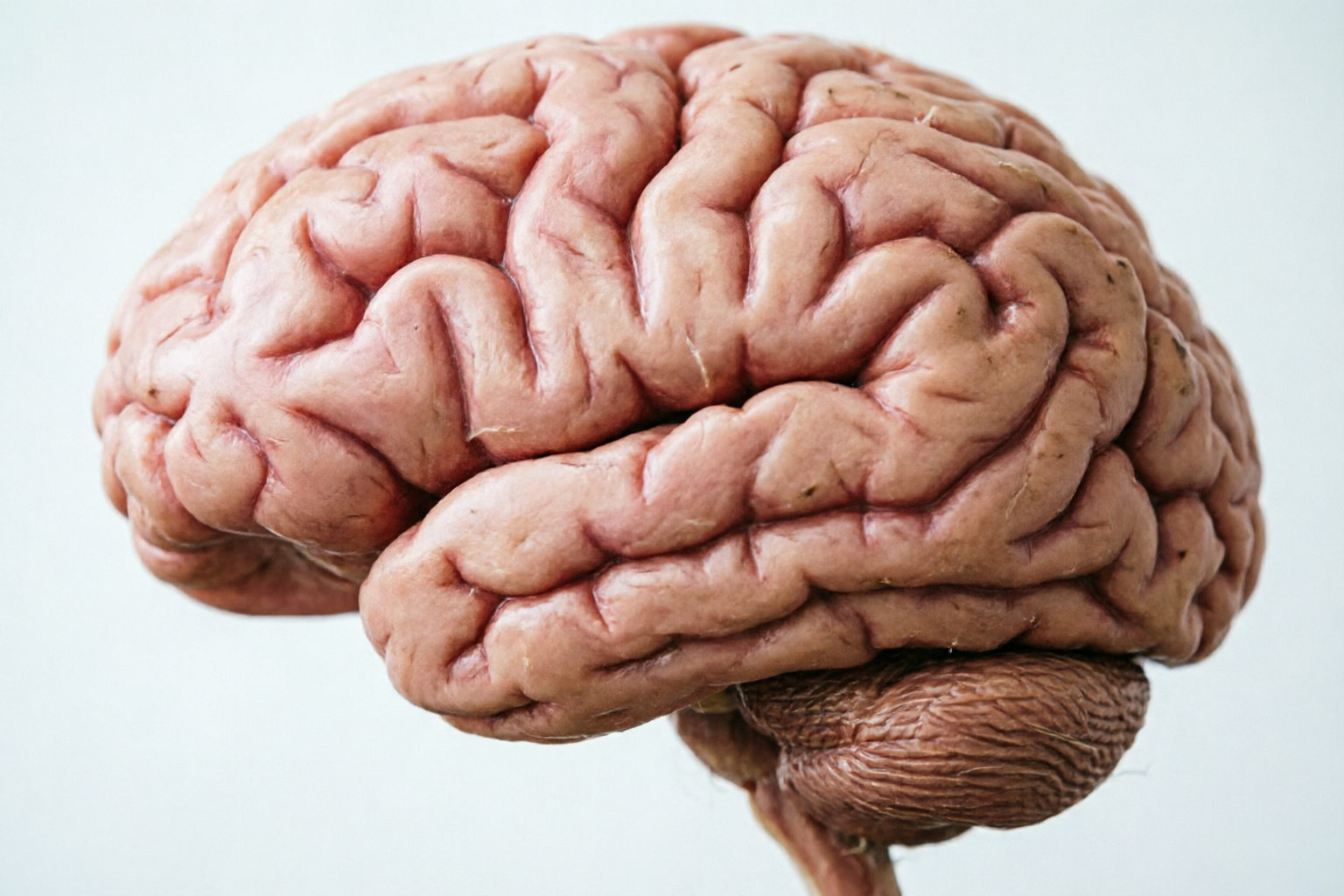
A team of scientists at the University of Cambridge has uncovered how two opposing approaches—stimulating and blocking the GIPR receptor—can both promote weight loss by acting on separate brain regions. The study, published in *Nature Metabolism*, used genetically modified mice to isolate the effects in the brainstem and hypothalamus, two areas critical for regulating metabolism. By comparing mice lacking GIPR in these regions to unaltered controls, the researchers demonstrated that each approach influences weight differently depending on where the receptor is targeted. This discovery provides a foundation for developing more precise obesity treatments, potentially combining therapies to enhance effectiveness. The work was supported by the Medical Research Council and Wellcome, underscoring its significance in advancing metabolic science. The findings suggest that future drugs could leverage these distinct pathways to improve outcomes for individuals managing obesity, though human trials would be necessary to confirm these mechanisms in people. The study highlights the complexity of metabolic regulation and the need for tailored interventions.
Sources
1 sourceThe article is grounded in the independently assessed evidence listed here.
Generated from retrieved source material, checked for evidence and provenance, and released through runtime safety controls.
Read our editorial standard →Spot a problem?
Reports go to the operator review queue and do not alter the article automatically.