New Jersey farms integrate solar energy with crop production under pilot initiative
The state’s first agrivoltaic projects will allow farmers to generate clean energy while continuing to cultivate diverse agricultural products across eight counties.
Written automatically from the sources below and not individually reviewed by a human editor.
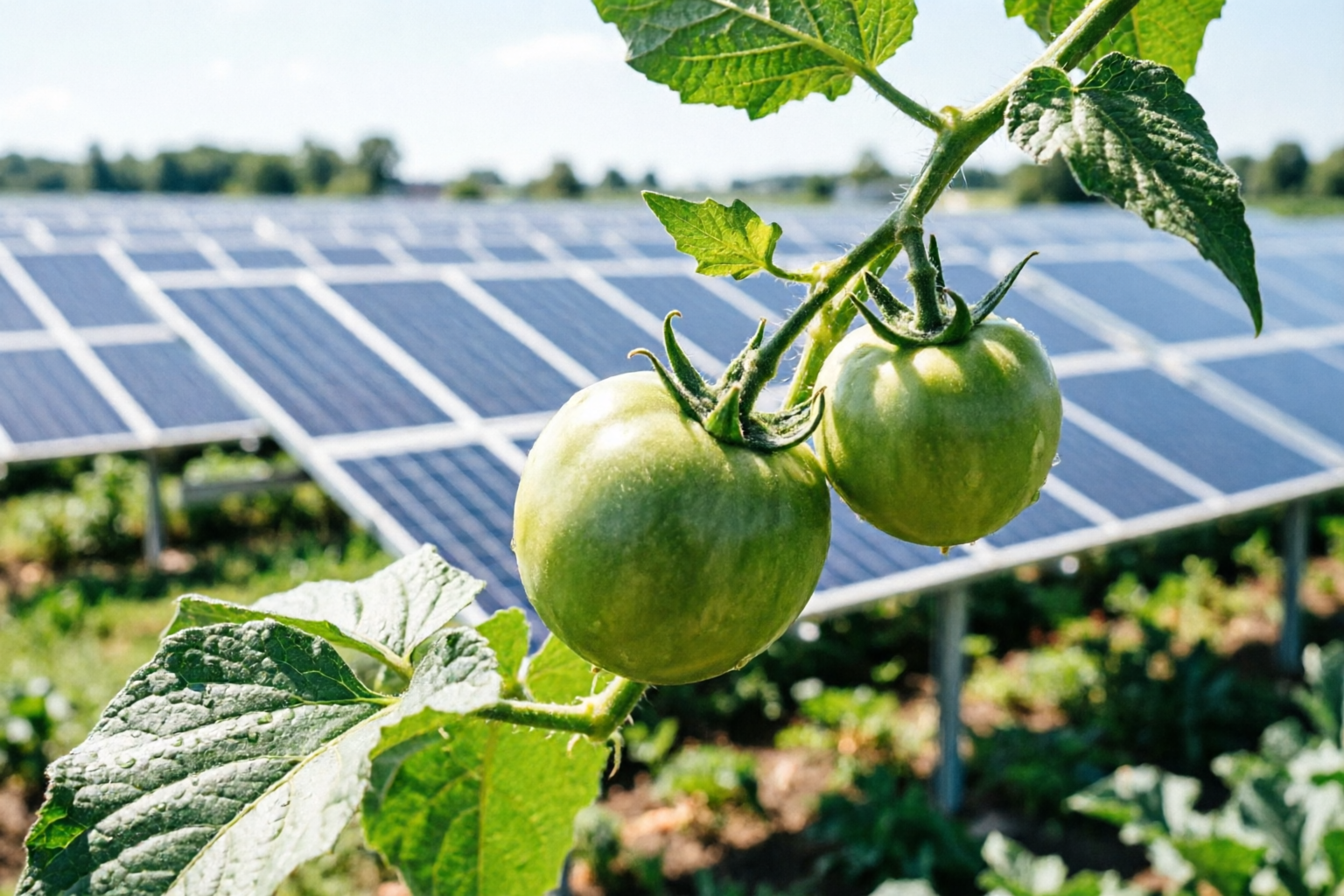
New Jersey has launched a program enabling farms to combine solar energy production with traditional agriculture. Sixteen projects, approved by the state’s Board of Public Utilities, will install solar panels over active farmland in eight counties. These installations will support the cultivation of crops such as soybeans, hay, grains, vegetables, and fruits, as well as livestock operations. The initiative builds on preliminary proposals that demonstrated strong interest in this dual-use approach, with farmers actively involved in planning and operation. By integrating renewable energy with farming, the program aims to expand clean energy capacity while preserving agricultural productivity. This marks a significant step toward sustainable land use in the state, offering farmers a new way to diversify their operations and contribute to broader energy goals. The projects reflect a growing trend in agricultural innovation, balancing environmental and economic benefits for rural communities. Further development could see the state’s agrivoltaic capacity grow substantially in the coming years, reinforcing its commitment to renewable energy and agricultural resilience.
Sources
1 sourceThe article is grounded in the independently assessed evidence listed here.
Generated from retrieved source material, checked for evidence and provenance, and released through runtime safety controls.
Read our editorial standard →Spot a problem?
Reports go to the operator review queue and do not alter the article automatically.