New DNA vacuum method detects wildlife in Danish natural areas without direct observation
Researchers at the University of Copenhagen have refined a DNA vacuum technique to capture airborne environmental DNA, successfully identifying 52 bird species, 19 mammals, and 1 amphibian across three Danish sites. The method improves biodiversity monitoring by analyzing genetic traces left by animals in the air.
Written automatically from the sources below and not individually reviewed by a human editor.
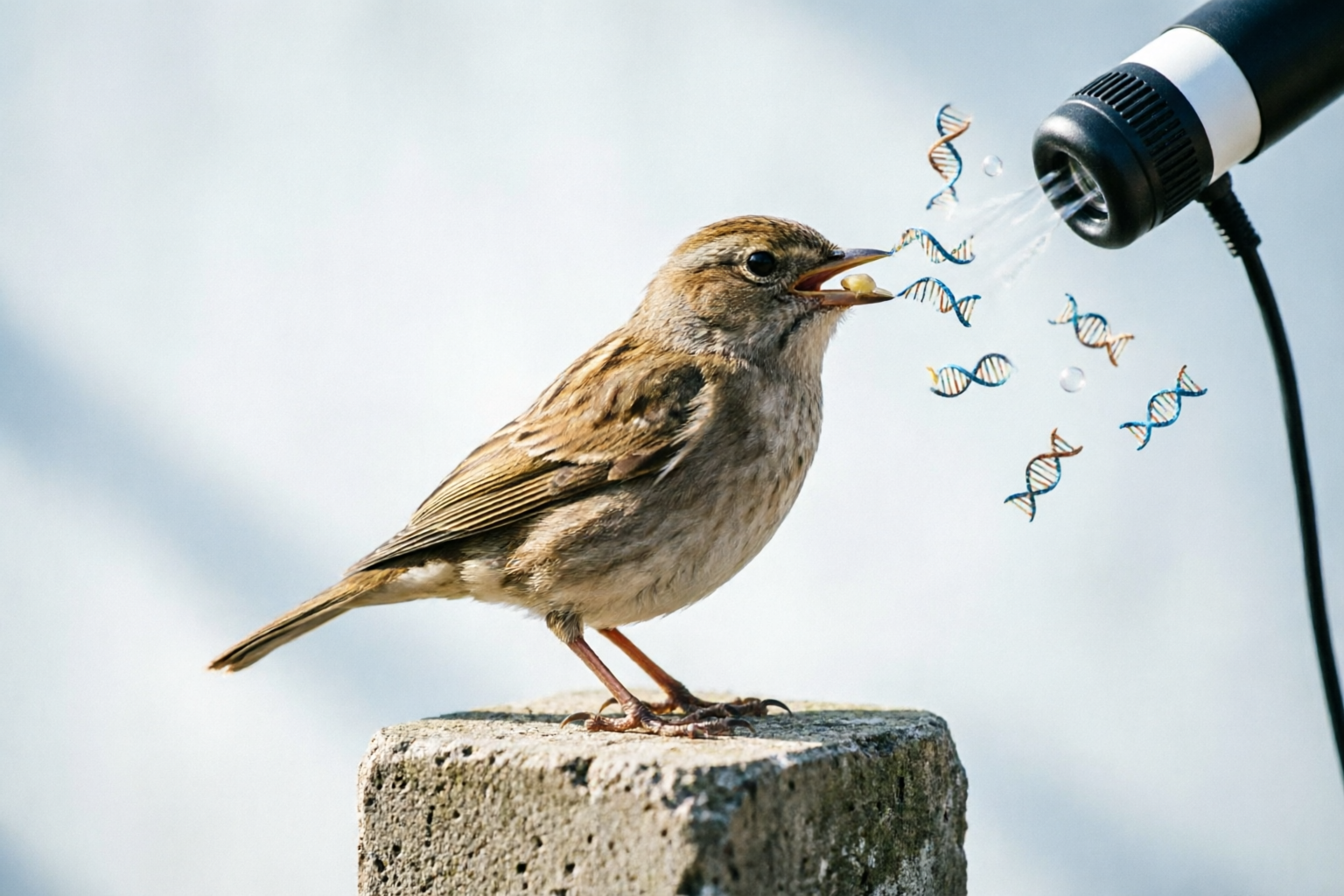
A new study by researchers at the University of Copenhagen demonstrates that a DNA vacuum method can detect local wildlife by capturing airborne environmental DNA—such as hair, feathers, and skin cells—from animals without requiring direct observation. The technique uses a simple plastic box with a computer fan to draw air through a filter, collecting DNA traces for analysis. In two studies, the method identified **52 bird species, 19 mammals, and 1 amphibian** across three Danish natural areas: Æbelø, Kalvebod Commons, and Lille Vildmose. In one study, Lille Vildmose alone yielded **54 bird species, 18 mammals, and 1 amphibian**, showcasing the method’s precision in diverse habitats. Researchers also found that the DNA signals reflected local wildlife, reducing the risk of false detections from distant species. This advancement brings the technique closer to practical use in biodiversity monitoring, conservation efforts, and early detection of invasive species. The team is now investigating how airborne DNA spreads over time and space to further refine the method’s reliability.
Sources
1 sourceThe article is grounded in the independently assessed evidence listed here.
Generated from retrieved source material, checked for evidence and provenance, and released through runtime safety controls.
Read our editorial standard →Spot a problem?
Reports go to the operator review queue and do not alter the article automatically.