Maasai women transform degraded lands through conservation-led initiatives
Pastoral communities in Kajiado County are restoring ecosystems and securing livelihoods as women take the lead in sustainable land management and income-generating projects.
Written automatically from the sources below and not individually reviewed by a human editor.
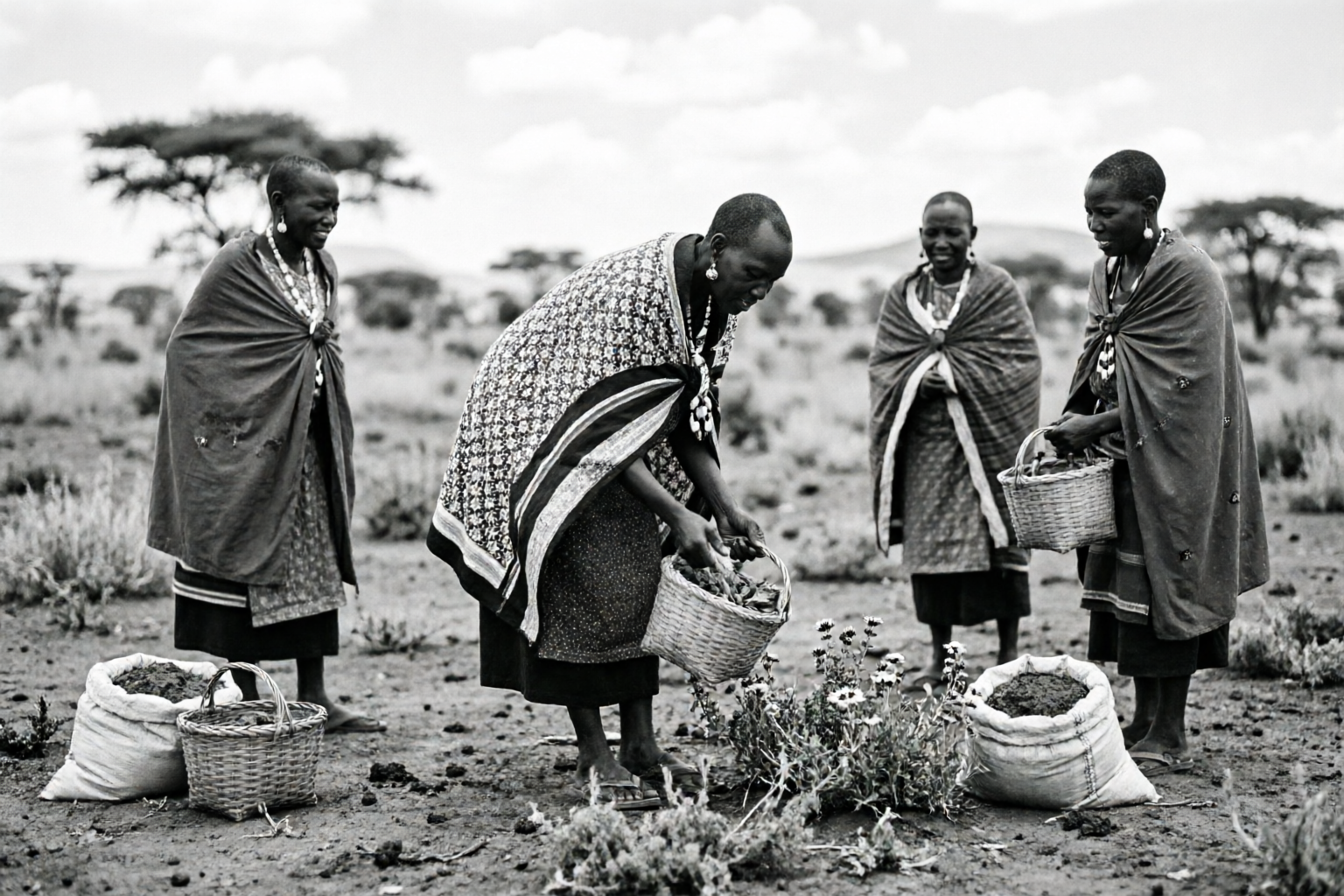
In Kajiado County, Maasai women are driving environmental recovery by reclaiming degraded pastures and establishing community-led conservation programs. Through collective efforts, they have reintroduced native grasses, constructed seed banks, and implemented strategies to curb invasive plant species. These actions not only revitalize the land but also strengthen food security for local families. By leasing plots for kitchen gardens and grass reserves, women have created spaces that reduce tensions between humans and wildlife, fostering safer coexistence. Their involvement in decision-making bodies, such as grazing committees, ensures that conservation plans reflect community needs, enhancing both effectiveness and local support. Beyond ecological benefits, these initiatives provide women with a reliable income stream, which they reinvest in education and household stability. The project exemplifies how grassroots leadership can address environmental degradation while empowering communities to build resilient futures. Such models offer valuable lessons for balancing conservation with economic and social development in pastoral regions.
Sources
1 sourceThe article is grounded in the independently assessed evidence listed here.
Generated from retrieved source material, checked for evidence and provenance, and released through runtime safety controls.
Read our editorial standard →Spot a problem?
Reports go to the operator review queue and do not alter the article automatically.