Long-lost fish species found alive in Papua New Guinea’s rivers
Researchers and local communities confirm the rediscovery of the spinach pipefish in the Sepik River basin after decades of absence, offering hope for freshwater biodiversity.
Written automatically from the sources below and not individually reviewed by a human editor.
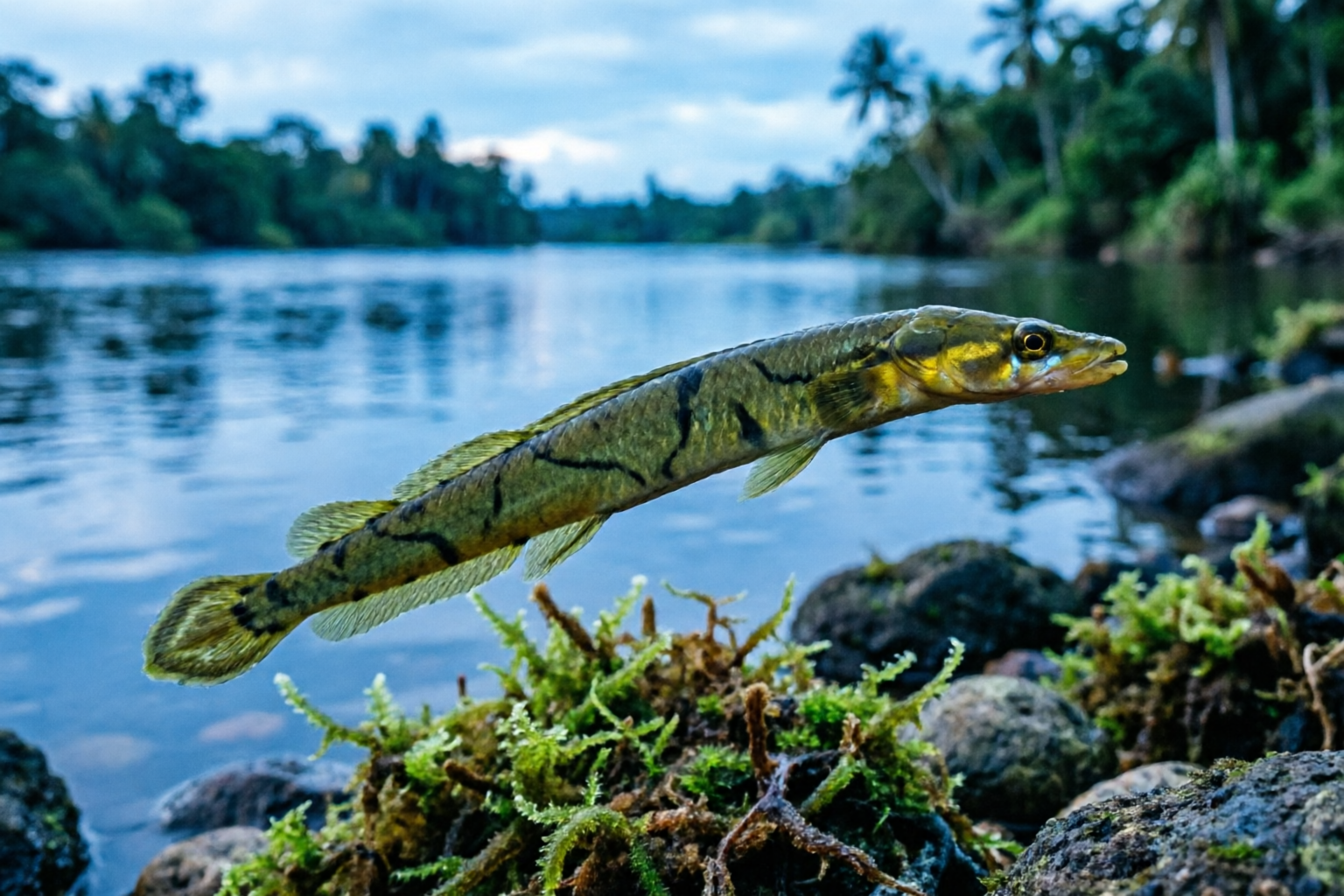
A fish once thought vanished has resurfaced in the remote waterways of Papua New Guinea. Scientists and villagers collaborating in the Sepik River region have verified the presence of the spinach pipefish, a species not documented for over four decades. Its reappearance follows years of global searches targeting critically overlooked aquatic life, including this particular species among the most sought-after lost freshwater fish. The rediscovery underscores the value of local ecological knowledge combined with systematic fieldwork in uncovering hidden biodiversity. Conservationists now face the task of assessing its population status and habitat needs within the river’s sprawling floodplains and wetlands. The find also highlights how even presumed extinct species can persist in underexplored regions, offering a rare opportunity to protect what was once believed lost forever. For freshwater ecosystems, this moment serves as both a scientific triumph and a reminder of how much remains unknown beneath the surface. The effort involved researchers from the New Guinea Binatang Research Centre, local guides like Helen Asu, and ichthyologist Gerald Allen, whose expertise confirmed the identification. Their work not only rewrites the species’ fate but also strengthens arguments for safeguarding these fragile, data-scarce environments before further losses occur.
Sources
1 sourceThe article is grounded in the independently assessed evidence listed here.
Generated from retrieved source material, checked for evidence and provenance, and released through runtime safety controls.
Read our editorial standard →Spot a problem?
Reports go to the operator review queue and do not alter the article automatically.