Cougars’ presence reshapes deer behavior, cutting road collision risks
Researchers find pumas alter deer movement patterns near highways, reducing nighttime activity and lowering the likelihood of vehicle impacts in Washington’s Olympic Peninsula.
Written automatically from the sources below and not individually reviewed by a human editor.
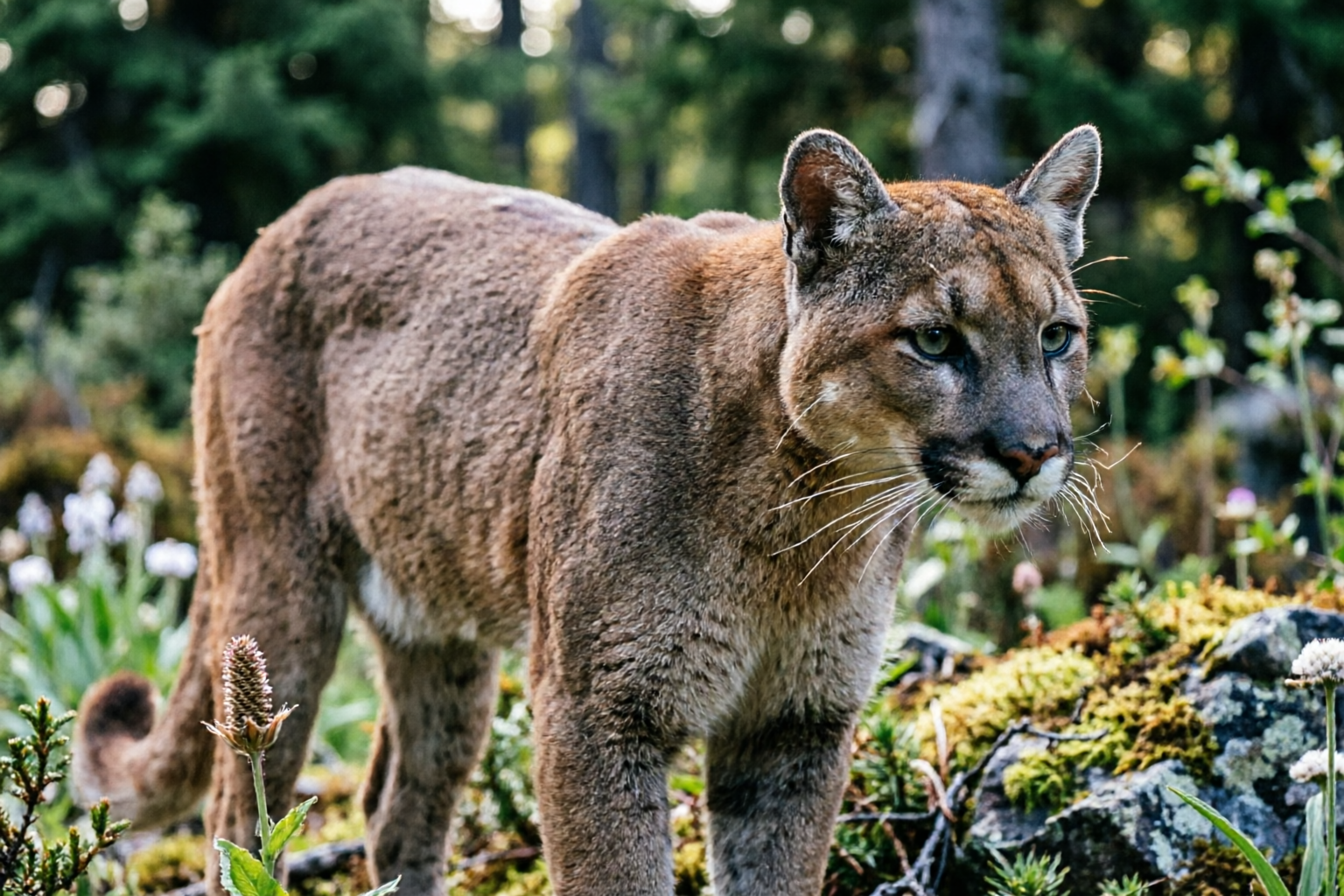
A new study reveals that pumas play an unexpected role in road safety by influencing deer behavior. When cougars inhabit an area, deer adjust their routines, spending less time near roads during high-risk nighttime hours. This shift corresponds with fewer vehicle collisions involving deer, offering benefits comparable to engineered wildlife crossings. The findings suggest that pumas may help mitigate collisions, injuries, and infrastructure damage without direct human intervention. While the study focuses on Washington’s Olympic Peninsula, its implications extend to regions where deer and drivers frequently interact. The research underscores how natural predator-prey dynamics can contribute to safer roadways, potentially informing wildlife management strategies across the Pacific Northwest. By demonstrating measurable safety improvements, the study highlights an overlooked ecological interaction with practical consequences for both wildlife and human communities. The results could prompt discussions about balancing conservation efforts with road safety measures in areas where deer populations are common.
Sources
1 sourceThe article is grounded in the independently assessed evidence listed here.
Generated from retrieved source material, checked for evidence and provenance, and released through runtime safety controls.
Read our editorial standard →Spot a problem?
Reports go to the operator review queue and do not alter the article automatically.