Coffee plantations in India’s Western Ghats reveal unexpected benefits for wildlife and farming
Researchers and local farmers show how shade-grown coffee systems enhance biodiversity while improving agricultural output in tropical regions.
Written automatically from the sources below and not individually reviewed by a human editor.
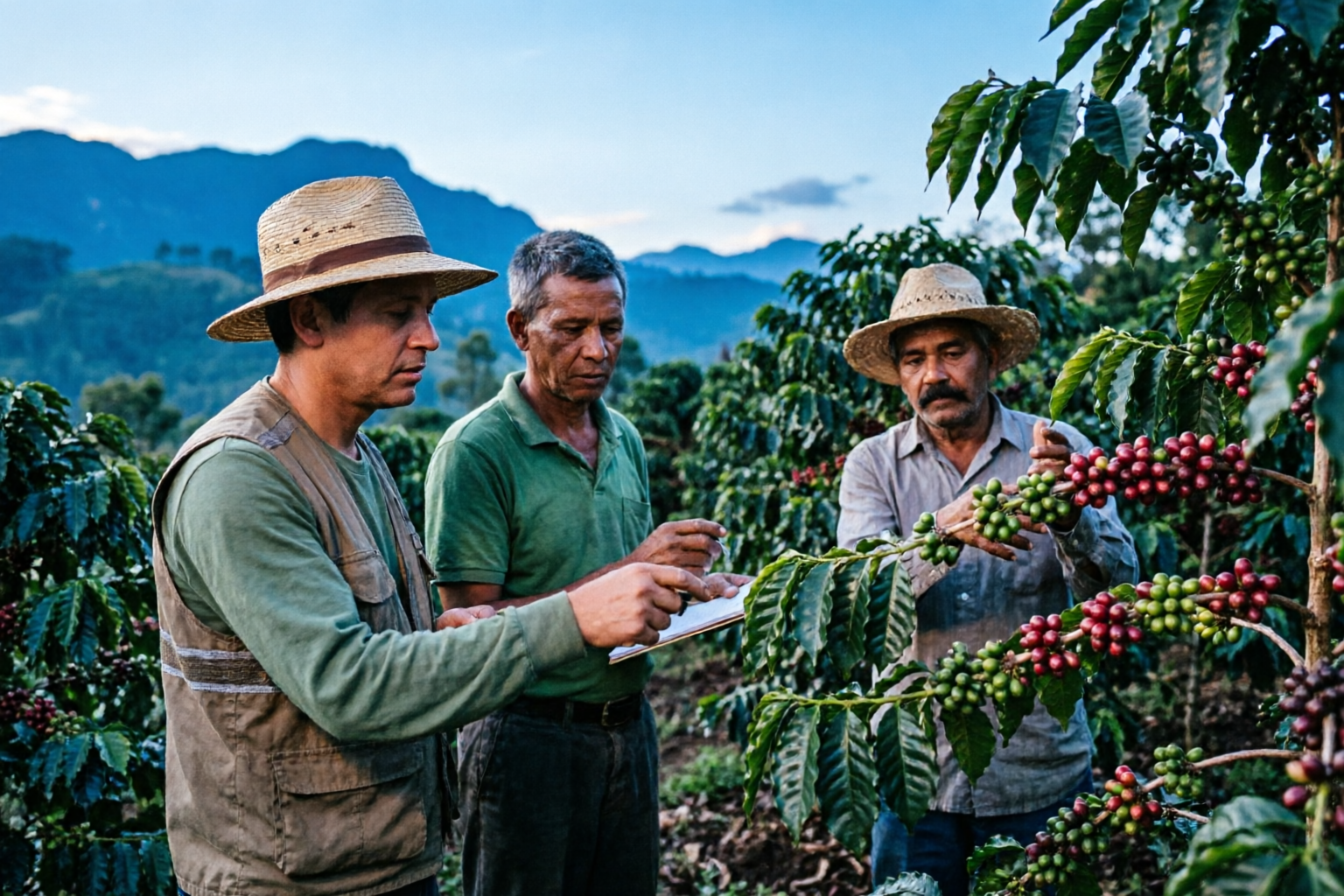
Collaborative studies involving the Smithsonian Migratory Bird Center and coffee farmers in India’s Western Ghats highlight the ecological and agricultural advantages of shade-grown coffee systems. These plantations create vital habitats for birds, mammals, and insects, fostering a thriving ecosystem within the coffee fields. The presence of shade trees contributes to pollinator support, natural pest regulation, and nutrient cycling, while also bolstering the resilience of coffee crops against climate variations. Unlike sun-grown coffee systems, which have led to habitat loss for migratory species, shade-grown methods maintain diverse canopies that support multiple layers of life, from ground-dwelling insects to birds nesting in higher branches. Additionally, these systems serve as ecological corridors, connecting fragmented forest areas and facilitating wildlife movement. The findings underscore how integrating biodiversity into agricultural practices can yield mutual benefits for both the environment and farming communities, offering a sustainable model for tropical regions facing habitat degradation.
Sources
1 sourceThe article is grounded in the independently assessed evidence listed here.
Generated from retrieved source material, checked for evidence and provenance, and released through runtime safety controls.
Read our editorial standard →Spot a problem?
Reports go to the operator review queue and do not alter the article automatically.