Coastal communities use climate games to test resilience strategies
Researchers have created interactive models to help vulnerable villages plan for flooding, drought, and agricultural challenges by simulating adaptive solutions.
Written automatically from the sources below and not individually reviewed by a human editor.
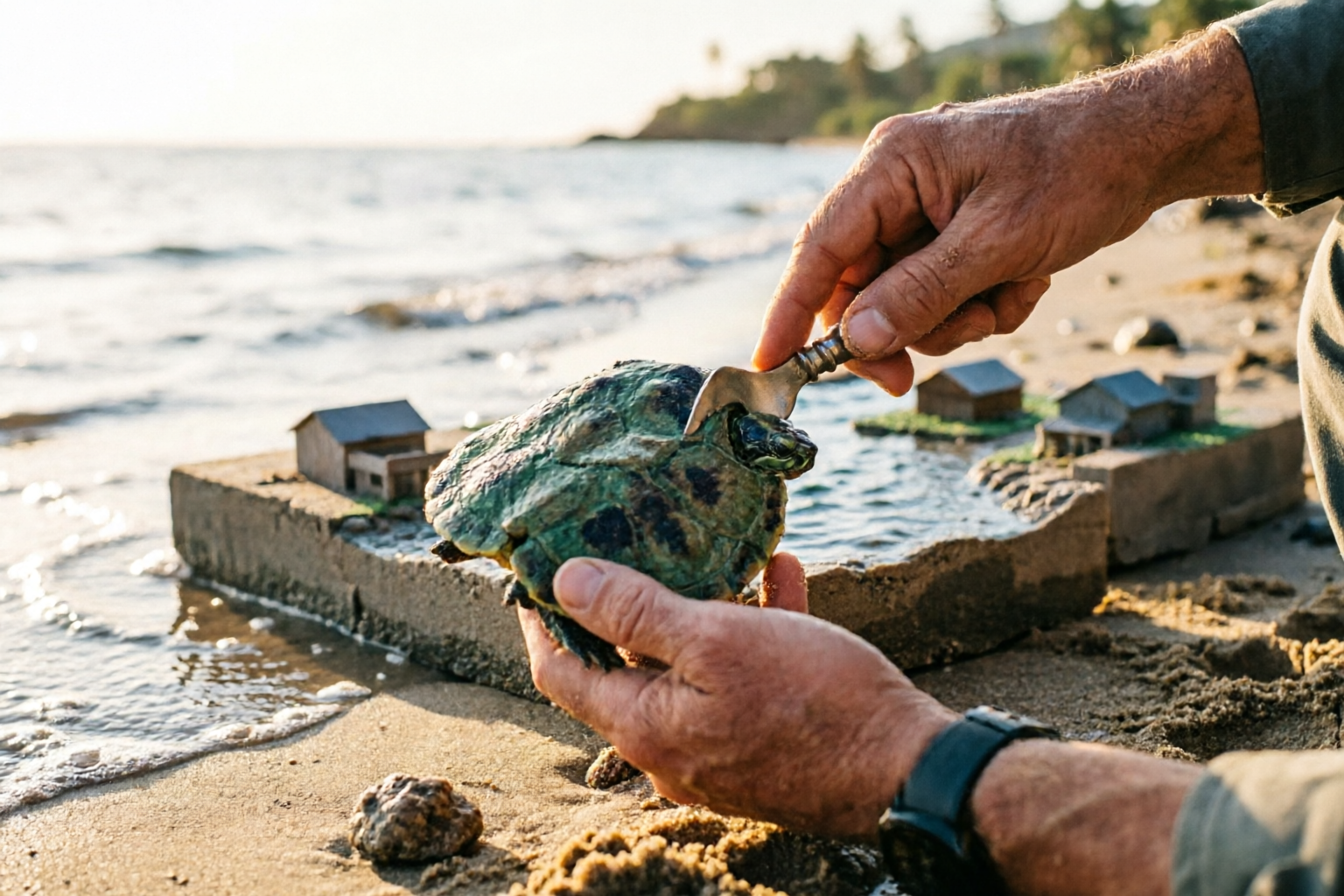
A team of researchers has introduced a game-based system designed to strengthen climate resilience in coastal regions prone to extreme weather. By combining physical and digital simulations, the approach allows communities to explore localized risks like flooding, drought, and soil salinization through hands-on scenarios. Early testing in affected villages revealed that integrated strategies—such as restoring mangroves, adopting diversified farming, and implementing shared risk pools—outperform isolated measures like building embankments alone. The models also highlight differences in risk perception, with women participants often adopting broader adaptive measures earlier than men in simulations. This method empowers local decision-makers to collaborate on solutions tailored to their specific environmental pressures, offering a scalable way to refine climate adaptation plans in high-risk areas. The project builds on earlier research showing that participatory tools can bridge gaps between scientific projections and community action, particularly where traditional planning falls short.
Sources
1 sourceThe article is grounded in the independently assessed evidence listed here.
Generated from retrieved source material, checked for evidence and provenance, and released through runtime safety controls.
Read our editorial standard →Spot a problem?
Reports go to the operator review queue and do not alter the article automatically.