Captive elephants show surprising ability to adapt to wild behaviors after reintegration
New research reveals that elephants previously kept in captivity can recover natural behaviors, though some physiological challenges remain.
Written automatically from the sources below and not individually reviewed by a human editor.
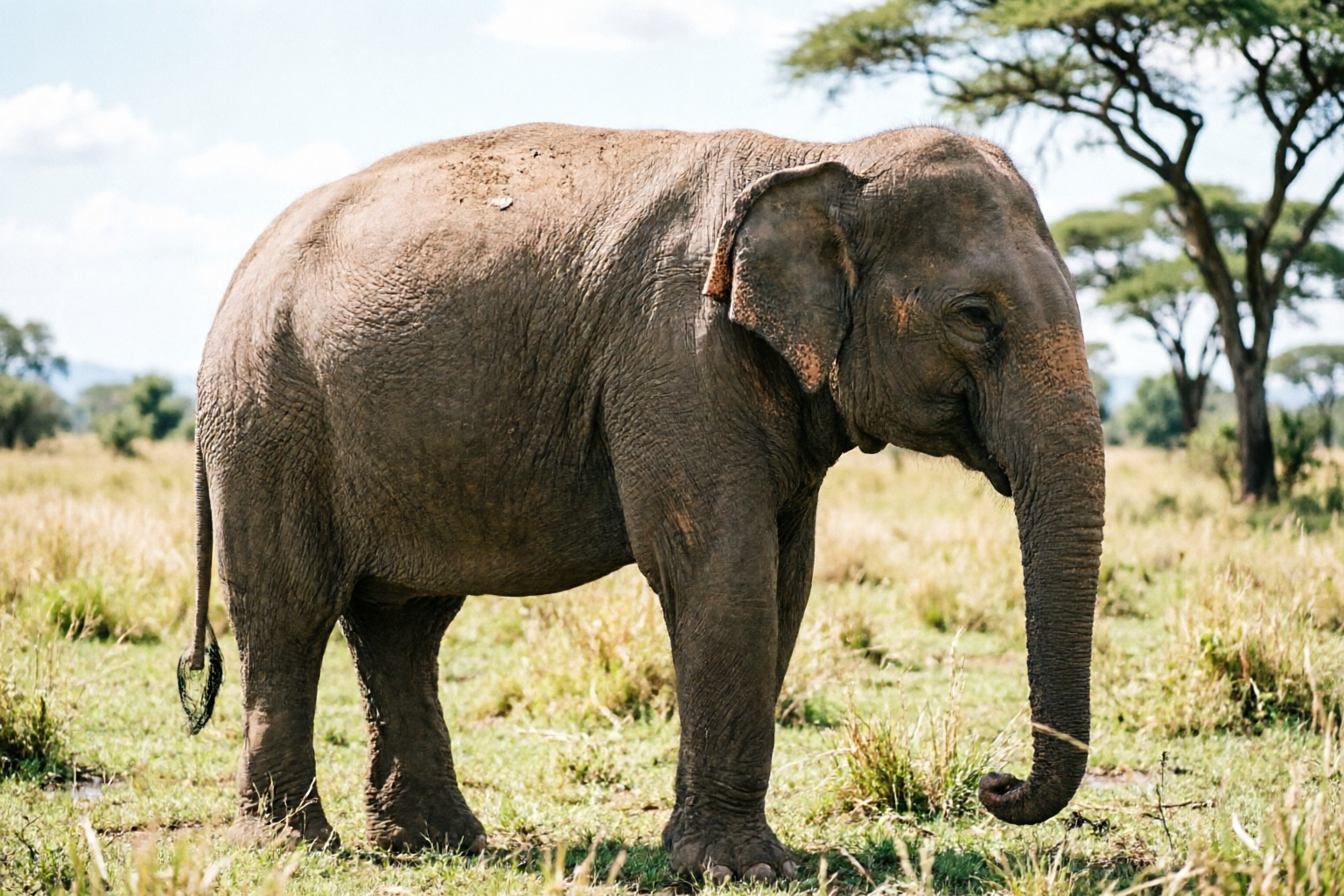
A study by the Elephant Reintegration Trust and Kyoto University has found that elephants once held in captivity can regain behaviors resembling those of wild herds. Researchers observed elephants in South African reserves demonstrating increased vigilance, social confrontation, and self-directed actions like trunk swishing and face touching—patterns similar to those seen in wild elephants. While these animals showed fewer attentive behaviors than their wild counterparts, likely due to reduced environmental demands in captivity, their ability to re-adapt suggests a greater capacity for behavioral recovery than previously understood. However, some individuals exhibited elevated stress biomarkers, indicating lingering physiological effects from their past confinement. The findings also highlight that elephants reintroduced alongside established wild herds tend to adjust more successfully, underscoring the importance of social integration in the process. This research offers hope for the thousands of elephants globally kept in captivity, many of whom face health and longevity challenges due to restricted living conditions.
Sources
1 sourceThe article is grounded in the independently assessed evidence listed here.
Generated from retrieved source material, checked for evidence and provenance, and released through runtime safety controls.
Read our editorial standard →Spot a problem?
Reports go to the operator review queue and do not alter the article automatically.