Repairing clothes becomes a trend in sustainable fashion
A global movement embraces visible mending as a way to reduce textile waste and extend the life of garments, gaining momentum through social media and retail partnerships.
Written automatically from the sources below and not individually reviewed by a human editor.
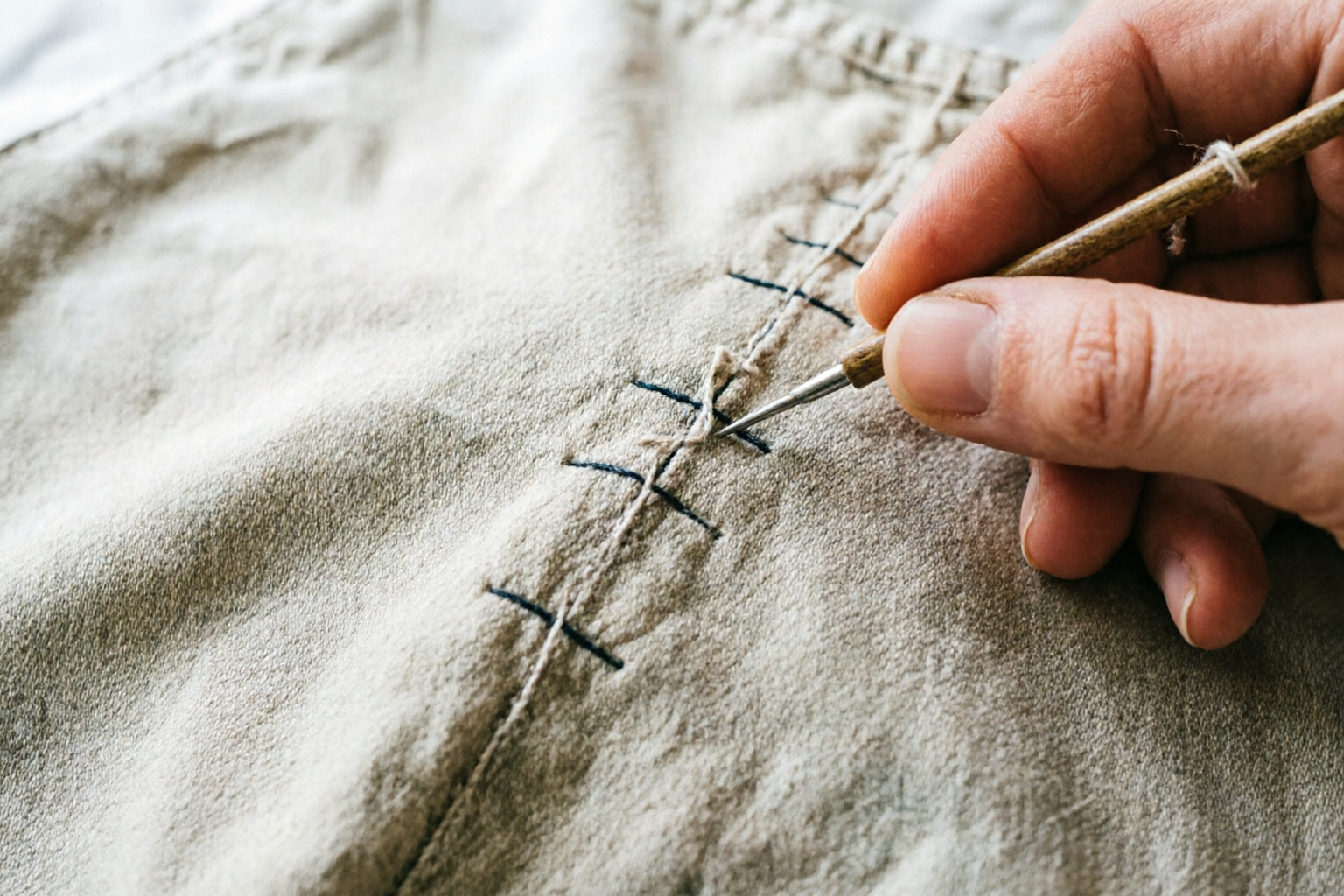
A quiet but growing trend is transforming how people view clothing repairs. Instead of hiding mends, fashion-conscious individuals and brands are showcasing them as part of a sustainable practice. Inspired by centuries-old Japanese techniques like kintsugi and sashiko, visible mending turns repairs into intentional design elements, celebrating the history of a garment rather than disguising its wear. This approach aligns with broader efforts to cut down on textile waste, which contributes significantly to environmental harm each year. Social media platforms have amplified the movement, with dedicated content drawing widespread attention. Retailers and designers are also adopting the practice, framing it as both an aesthetic choice and a responsible one. The shift reflects a cultural pivot toward valuing durability and repair over disposable fashion, offering a tangible way for consumers to participate in sustainability efforts.
Sources
1 sourceThe article is grounded in the independently assessed evidence listed here.
Generated from retrieved source material, checked for evidence and provenance, and released through runtime safety controls.
Read our editorial standard →Spot a problem?
Reports go to the operator review queue and do not alter the article automatically.