Gujarat village transforms lives through biogas cooperation
A women-led initiative in Zakariyapura replaces traditional cooking methods with biogas, improving health, cutting costs, and creating new economic opportunities for local families.
Written automatically from the sources below and not individually reviewed by a human editor.

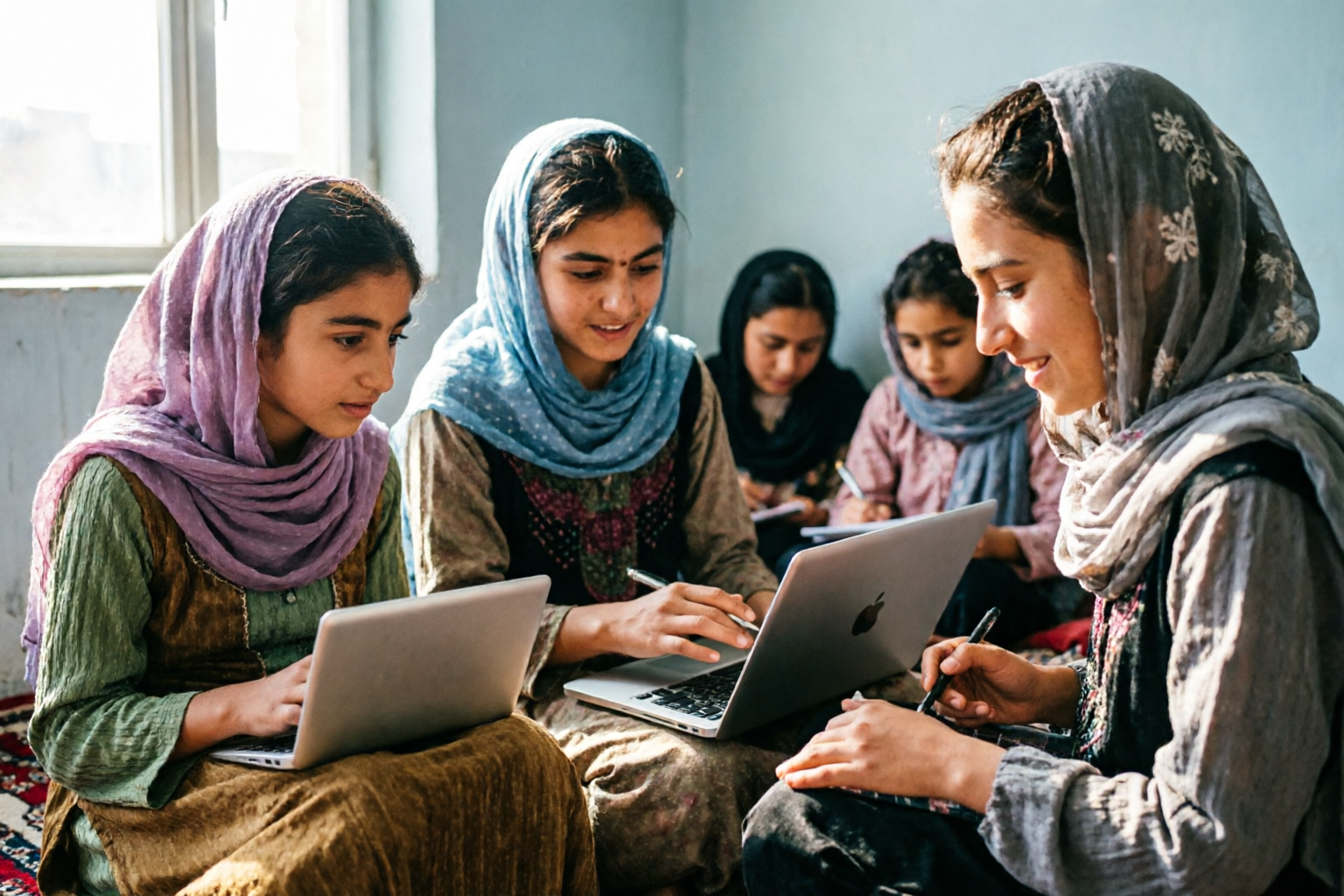
In Zakariyapura, a small village in Gujarat, a collective effort has brought about meaningful change for families who once faced daily challenges from smoke-filled kitchens and rising expenses. Led by Madhuben, women in the village took inspiration from a neighboring community and established biogas plants in households across the area. This shift has eliminated the need for wood-fired stoves and reduced reliance on purchased fuel, easing financial burdens for families. The transition has also improved indoor air quality, benefiting the health of women and children who previously spent long hours tending to smoky fires. With less time devoted to household chores, young girls now have more opportunities to focus on their education. Beyond these immediate benefits, the initiative has created additional income streams through the sale of organic fertilizer produced from cattle dung, further strengthening the local economy. The project demonstrates how community-driven solutions can address multiple needs—health, education, and livelihoods—simultaneously, offering a model for sustainable development in rural areas.
Sources
1 sourceThe article is grounded in the independently assessed evidence listed here.
Generated from retrieved source material, checked for evidence and provenance, and released through runtime safety controls.
Read our editorial standard →Spot a problem?
Reports go to the operator review queue and do not alter the article automatically.