Bengaluru community eliminates nearly all landfill waste through innovative waste systems
Residents and management in Brigade Meadows have created a model zero-waste society by systematically processing daily waste into compost, recycling water, and ensuring almost all refuse avoids landfills.
Written automatically from the sources below and not individually reviewed by a human editor.
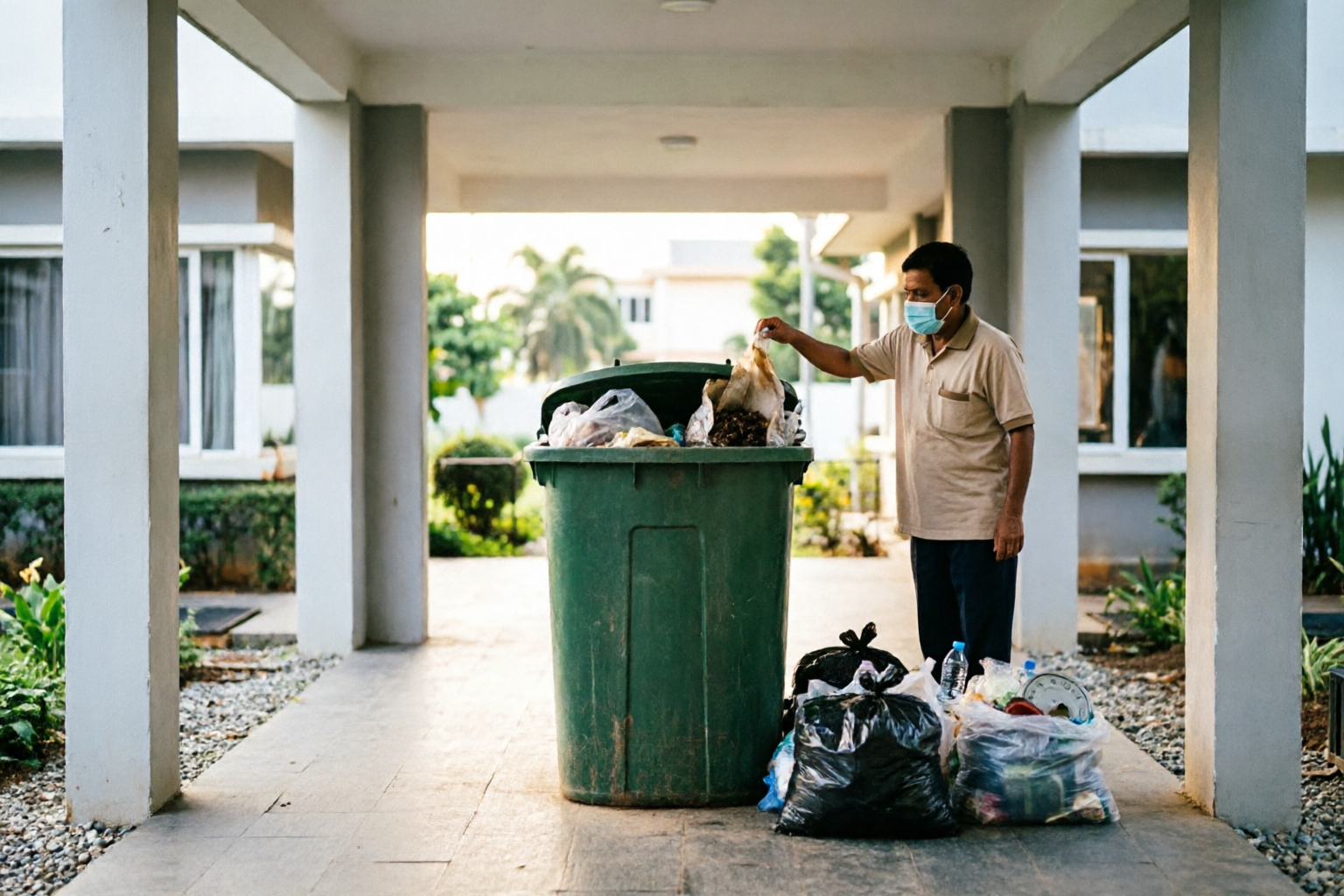
A residential community in Bengaluru has demonstrated how large-scale waste management can drastically reduce landfill dependence. Through coordinated efforts, nearly all waste generated by the area’s population is now repurposed rather than discarded. Organic materials are converted into nutrient-rich compost, which is distributed to local farmers. Treated water from the system is reused for irrigation and sanitation needs, further minimizing resource waste. The approach combines segregation, recycling, and scientific disposal methods to achieve this transformation. This model highlights how collective action and systematic waste processing can create sustainable living environments in urban settings. The initiative serves as a practical example of how communities can address waste challenges through organized and innovative practices, offering lessons for other urban areas facing similar pressures. By prioritizing reuse and responsible disposal, the community has turned waste into a resource, reducing environmental impact while fostering self-sufficiency. The success of this effort underscores the potential for similar systems to be adopted elsewhere, proving that zero-waste goals are achievable with commitment and planning.
Sources
1 sourceThe article is grounded in the independently assessed evidence listed here.
Generated from retrieved source material, checked for evidence and provenance, and released through runtime safety controls.
Read our editorial standard →Spot a problem?
Reports go to the operator review queue and do not alter the article automatically.